Signs of a Healthy Period: What’s Normal & What’s Not
Table of Contents
Periods come with all sorts of signs and symptoms, yet understanding what is truly being communicated beneath them can feel confusing. Many women spend years experiencing changes in their cycle without ever being taught how to interpret what their body may be trying to say.
Your period is considered a vital sign of health. The way your cycle flows and the symptoms surrounding your period can reflect whether the body is functioning in balance or struggling beneath the surface.
This guide explores what a genuinely healthy period looks like and which lifestyle changes can help support a healthier and more balanced menstrual cycle naturally.
What Is a Healthy Period?
A Healthy Menstrual Cycle Is Not Always 28 Days
One of the most common myths around menstruation is that a “normal” cycle should arrive every 28 days like clockwork. In reality, healthy cycles can naturally range anywhere from 21 to 35 days. Some women have shorter cycles, others longer. What matters more is rhythm and consistency. When your cycle arrives at roughly the same time each month, it is often a sign that the body feels safe and hormonally balanced.
Your Period Should Not Leave You Feeling Completely Drained
A healthy period usually lasts somewhere between two and seven days. The flow may begin more heavily before softening over the following days, and slight variations are completely normal. But menstruation should not feel like a monthly event that completely wipes you out. If your bleeding feels overwhelming or leaves you feeling severely depleted each month, your body may be asking for closer attention.
Heavy Bleeding Is Not Something You Have To “Just Deal With”
Many women are taught to normalize very heavy periods, even when they are soaking through pads or tampons constantly throughout the day. While periods naturally vary in intensity, consistently bleeding through protection every hour is usually a sign that something deeper may be out of balance.
The Colour Of Your Blood Can Tell A Story
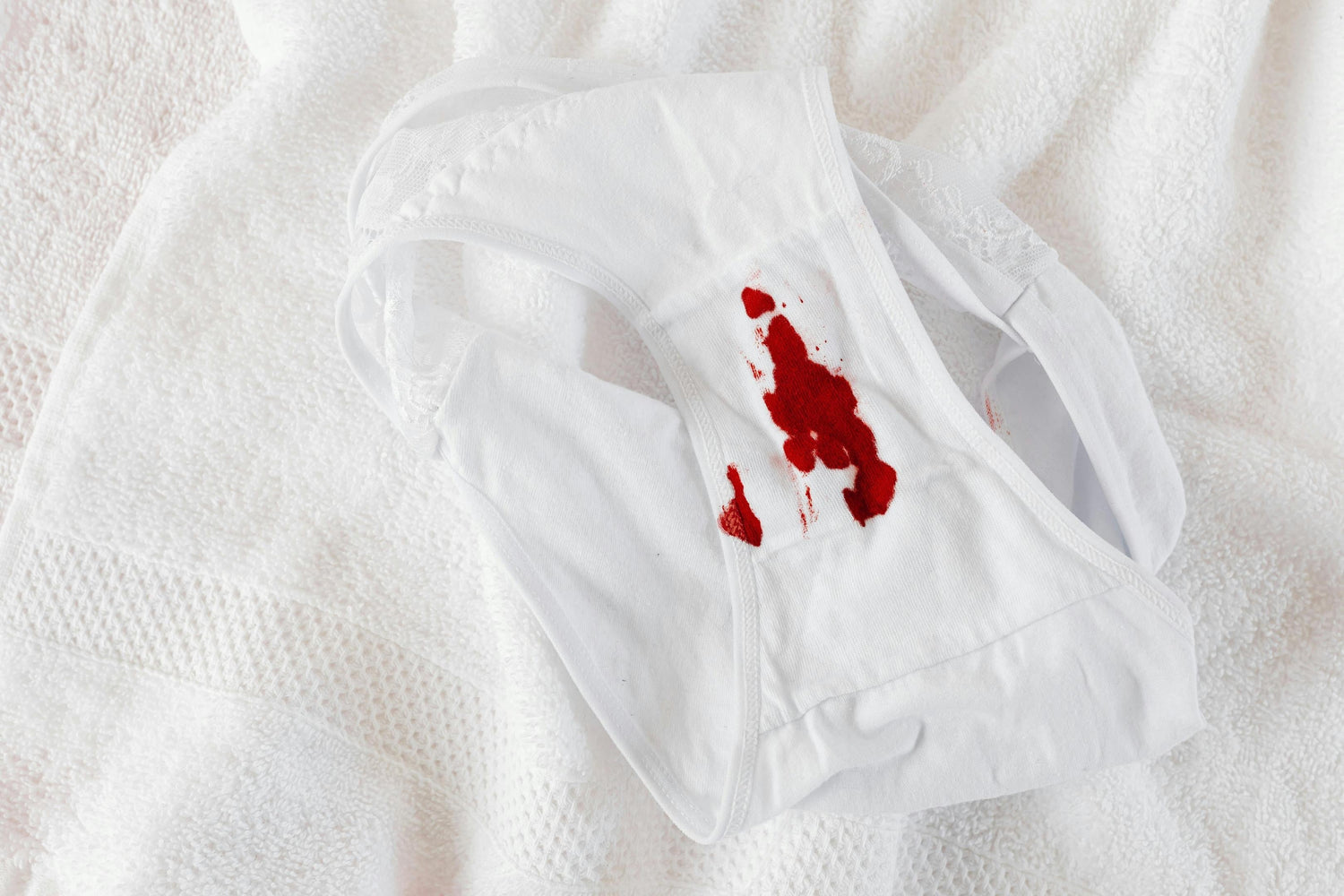
Menstrual blood is not always the same colour from beginning to end, and that is completely normal. Bright red blood is often associated with a steady, active flow, while darker red or burgundy blood usually appears when blood has moved more slowly through the body. Brown blood is also common, especially at the beginning or end of a cycle. Rather than something to fear, these shifts are often part of the natural rhythm of menstruation.
Read: Vaginal Discharge Colors: A Practical Guide to Knowing What’s Normal
Small Clots Are Usually Normal, But Large Ones Deserve Attention
Seeing small blood clots during menstruation can be completely normal, particularly on heavier days. These are often simply pieces of uterine lining leaving the body. But when clots become very large or consistently accompanied by excessive bleeding, it may be a sign that the body is struggling to regulate the flow properly and may need deeper support.
Your Period as a Vital Sign
The menstrual cycle is not separate from the rest of the body. Your period is the result of an intricate conversation taking place between the brain, hormones, ovaries, nervous system, thyroid, metabolism, stress response, and reproductive system all at once.
This is why the American College of Obstetricians and Gynecologists classifies the menstrual cycle as a vital sign. Your cycle can often reflect what is happening beneath the surface long before other symptoms become obvious. When the body is under prolonged stress or pushed beyond its limits, the menstrual cycle frequently changes in response.
This is also why tracking your cycle can become such a powerful form of self-awareness. Noticing when your period begins, how your energy shifts throughout the month, how heavy your bleeding feels, or whether symptoms are becoming more intense over time can help you recognize patterns that are easy to miss when you are disconnected from your cycle.
The Phases of Your Menstrual Cycl
Menstruation
This is the phase most women are familiar with because it is the visible part of the cycle. Menstruation begins when the uterine lining sheds after a fertilized egg has not implanted. What leaves the body during a period is blood and also tissue and fluid that were previously being prepared to support a potential pregnancy.
Normal menstrual bleeding lasts between 2 to 7 days, with a total blood loss of approximately 30 to 60 milliliters (about 2 to 4 tablespoons) during the entire period.
The Follicular Phase
As menstruation ends, the body begins preparing for ovulation. During this phase, estrogen gradually rises and the uterine lining begins rebuilding itself again. At the same time, follicles inside the ovaries begin maturing, each containing an egg.
Many women notice a gradual return of energy during this phase. Mentally, there can be more clarity and motivation. Physically, the body often feels lighter and more outward-facing compared to the inward, depleted feeling that can sometimes accompany menstruation.
Ovulation
Ovulation is the central event of the menstrual cycle, even more important hormonally than the bleed itself. During this phase, a surge in luteinizing hormone triggers the release of a mature egg from the ovary into the fallopian tube.
Some women notice clear signs when ovulation occurs. Cervical mucus may become slippery or stretchy, body temperature subtly shifts, libido may increase, and there can sometimes be a heightened sense of awareness or vitality mid-cycle.
The Luteal Phase
After ovulation, the body enters the luteal phase. During this time, progesterone rises to help prepare the uterine lining for a possible pregnancy. The body shifts into a more inward and restorative state as it waits to see whether implantation will occur.
This is also the phase where many women experience PMS symptoms. Mood shifts, bloating, irritability, breast tenderness, fatigue, cravings, or emotional sensitivity can all emerge more strongly here. While mild changes are common, intense PMS symptoms are often signals that the body may be struggling with hormonal balance or nervous system overload.
Read: Period Tips for Rest, Stillness, & Honoring Your Menstrual Cycle
Signs Your Period Might Not Be As Healthy As It Could Be
1. Irregular or Infrequent Periods: A normal menstrual cycle will usually follow a relatively consistent cycle length between 21 and 35 days. If your period starts unpredictably, disappears for months, or you regularly experience infrequent periods, it may signal issues. Menstrual irregularities can occur in an estimated 14% to 25% of women of childbearing age, indicating that a significant number of women experience variations in their menstrual cycles.
2. Heavy Menstrual Bleeding: A healthy menstrual cycle should not involve soaking through a pad or tampon every hour for several consecutive hours or passing very large clots regularly. Menstrual cycles that are unusually long (more than 40 days) or irregular have been linked to infertility and cardiometabolic diseases such as coronary heart disease and type 2 diabetes.
3. Painful Periods: Mild cramping during a menstrual period can be normal, but severe pain that disrupts daily life is not something women should simply endure. Conditions like endometriosis, fibroids, and pelvic inflammatory disease are common causes of painful periods that are often dismissed for years.
4. Light Periods or Missing Periods: Light periods can sometimes reflect low estrogen, thyroid hormone disruption, chronic stress, or under-eating. Outside of pregnancy or menopause, missing periods altogether usually means ovulation is not happening consistently and should always be investigated further. Individuals with a higher body mass index (BMI) tend to experience longer and more variable menstrual cycles compared to those with a healthy BMI.
5. Intermenstrual Bleeding: Intermenstrual bleeding refers to spotting or bleeding between periods outside of your normal menstrual cycle. While light ovulation spotting can occasionally happen, ongoing bleeding between cycles may point toward hormonal imbalance, infection, cervical changes, or reactions to birth control pills.
6. Severe PMS Symptoms: PMS becomes a concern when symptoms start interfering with daily life, relationships, sleep, or emotional wellbeing. Severe PMS can be linked to hormonal imbalance, insulin resistance, inflammation, chronic stress, or PMDD.
7. Constantly Changing Cycle Length: One of the clearest signs of a healthy menstrual cycle is consistency. If your cycle length changes dramatically every month, your body may be struggling to maintain stable hormonal rhythms beneath the surface.
8. Feeling Completely Depleted After Your Period: A menstrual period should not leave you feeling exhausted for days afterward every single month. Ongoing depletion after bleeding can sometimes reflect excessive blood loss, nutrient deficiencies, poor recovery, or deeper period problems affecting the body’s overall balance.
9. Relying on Hormonal Birth Control to Mask Symptoms: Birth control pills are commonly prescribed to regulate regular periods, reduce pain, or control heavy bleeding. While they can help manage symptoms, they do not always address the root cause of why the healthy menstrual cycle became disrupted in the first place.
10. Not Knowing What Is Normal For Your Body: Many women were never properly taught what a normal menstrual cycle actually looks like. Tracking your start date, symptoms, bleeding patterns, and cycle changes over time can become one of the most important practices for understanding your own body and long-term women’s health.
What Disrupts a Healthy Period
-
Chronic stress
-
Hormonal imbalance
-
Polycystic ovary syndrome (PCOS)
-
Thyroid hormone imbalance
-
Hypothyroidism/ hyperthyroidism
-
Estrogen dominance
-
Insulin resistance
-
Blood sugar instability
-
Restrictive eating/ under-eating
-
Eating disorders
-
Anorexia nervosa
-
Low body weight/ low body fat percentage
-
Excessive exercise
-
Overtraining
-
Nutrient deficiencies
-
Iron deficiency
-
Magnesium deficiency
-
Poor sleep
-
Nervous system dysregulation
-
Chronic inflammation
-
Hormonal birth control + birth control pills
-
Post-pill amenorrhea
-
Intrauterine devices (IUDs)
-
Alcohol consumption
-
Environmental endocrine disruptors
-
Plastics and synthetic chemicals
-
Conventional menstrual products containing toxins or fragrances
-
Chronic burnout + emotional stress
-
Lack of ovulation
-
Menstrual irregularities
-
Irregular periods + infrequent periods
-
Heavy menstrual bleeding + light periods
-
Missing periods
-
Intermenstrual bleeding
-
Poor metabolic health
-
Excess cortisol production
-
Reproductive disorders
-
Endometriosis + fibroids
-
Pelvic inflammatory disease
-
Untreated period problems
Read: Natural Remedies for Irregular Periods & Missed Cycles
How to Support a Healthy Period

Nutrition: Eating for Your Cycle
The menstrual cycle is metabolically expensive. Every month, the body builds and sheds the uterine lining, produces shifting waves of hormones and constantly adapts to changing energy demands throughout the cycle. None of this happens without nutritional input.
One of the biggest disruptors of hormonal balance today is blood sugar instability. Sharp spikes and crashes in blood sugar can increase insulin resistance and interfere with ovulation, particularly in women with PCOS. This is one reason why diets built around refined carbohydrates and ultra-processed foods often worsen PMS symptoms and energy instability throughout the month.
Eating a balanced diet rich in fiber, lean protein, and healthy fats can help manage blood sugar and reduce inflammation. Adequate consumption of nutrients such as iron, calcium, and vitamins supports hormonal health and reduces menstrual symptoms. Omega-3 fats, found in foods like fish and flaxseeds, are known for their anti-inflammatory properties and can help reduce menstrual pain and improve overall menstrual health.
Stress Management and the Nervous System
One of the least discussed realities about menstrual health is that the body will always prioritize survival over reproduction.
The menstrual cycle depends on communication between the brain, ovaries, adrenal glands, and nervous system. When the body perceives ongoing stress, reproduction becomes less biologically important. Ovulation may become delayed and menstrual irregularities often begin appearing.
This is why chronic stress affects menstruation so profoundly. The body does not distinguish particularly well between emotional burnout, overworking, under-eating, relationship stress, excessive exercise, poor sleep, or constantly living in a state of urgency. To the nervous system, stress is stress.
Sleep, Body Temperature, and Cycle Tracking
Sleep is where much of the body’s hormonal repair and regulation takes place. Chronic sleep deprivation has been linked to increased PMS symptoms, disrupted ovulation, and changes in cycle length.
One of the most fascinating ways to observe the menstrual cycle is through body temperature tracking. After ovulation occurs, progesterone causes basal body temperature to rise slightly. This means body temperature can act almost like a biological receipt confirming whether ovulation actually happened.
This matters because many women assume they are ovulating simply because they bleed every month, but bleeding alone does not always confirm a healthy ovulatory cycle.
Supporting Heavy or Painful Periods Naturally
One of the most underestimated menstrual tools is also one of the oldes, and that is heat.
Heat therapy increases blood flow and can reduce the intensity of cramps significantly. Some research has even found that consistent heat application may rival certain pain medications for menstrual cramping relief.
Magnesium also plays an important role in muscle relaxation, nervous system regulation, and prostaglandin balance. Many women unknowingly live with low magnesium levels due to stress, caffeine intake, poor sleep, alcohol consumption, and depleted soil quality in modern agriculture. Low magnesium can contribute to stronger cramping and increased nervous system sensitivity.
Your Period Products and Your Cycle Health

Most conversations about menstrual health focus on hormones, or symptoms, yet very few women stop to consider the products sitting directly against one of the most absorbent tissues in the body for several days every month.
Conventional disposable pads and tampons are often made with synthetic materials, fragrances, dyes, plastics, and chemical residues that many women are never informed about. While research around long-term exposure is still developing, growing concern exists around endocrine-disrupting chemicals.
For women already struggling with hormonal imbalance or menstrual sensitivities, reducing unnecessary chemical exposure can become one small but meaningful part of supporting overall cycle health.
This is one reason many women are moving toward more breathable and lower-toxicity alternatives. Some women also explore free bleeding as a way of allowing the natural flow of menstruation without constant absorption or internal products. While not practical in every situation, some describe feeling more connected to the rhythm of their cycle and more aware of the actual nature of their bleeding when they stop treating menstruation as something that constantly needs to be concealed.
Long-term reusable options can also change the relationship many women have with their cycle. Rather than interacting with menstruation as disposable waste every month, the experience can begin feeling more intentional and less disconnected from the body itself.
Products like the Free Bleed® waterproof blanket are part of this growing movement toward more body-conscious menstrual care, offering washable protection designed with both comfort and cycle health in mind.
When to See a Healthcare Provider
While lifestyle changes can support a healthier menstrual cycle, some symptoms deserve proper medical investigation rather than ongoing self-management alone.
You should consider seeking support if you experience:
-
Heavy bleeding that soaks through pads, tampons, or protection every hour
-
Periods that disappear for three or more cycles outside of pregnancy or menopause
-
Severe pain that disrupts work, sleep, movement, or daily life
-
Significant hair loss alongside cycle irregularities
-
Symptoms suggesting PCOS, thyroid dysfunction, or uterine fibroids
-
Persistent intermenstrual bleeding or abnormal uterine bleeding at any age
-
Ongoing exhaustion, dizziness, or signs of iron deficiency after menstruation
-
Rapid changes in cycle length, bleeding patterns, or PMS severity
Many women spend years minimizing symptoms because they have been told their experience is “normal.” But normal does not always mean healthy, and the body often communicates gradually before problems become more serious.
FAQ
A healthy period will usually follow a relatively regular cycle length between 21 and 35 days, with bleeding lasting around 2–7 days. The flow should feel manageable rather than extreme, and while mild cramps or PMS symptoms can happen, your cycle should not leave you unable to function normally each month.
Healthy menstrual blood can range from bright red to dark burgundy throughout the cycle, and small clots occasionally can be normal. Most importantly, a healthy menstrual cycle tends to have a sense of consistency. Your body develops recognizable rhythms over time rather than constantly shifting unpredictably from month to month.
The menstrual cycle itself is closely connected to bone health because ovulation and healthy estrogen production play important roles in maintaining bone density. When periods become absent for long periods of time, especially due to under-eating, excessive exercise, hypothalamic amenorrhea, or hormonal imbalance, estrogen levels can drop significantly, increasing the risk of weakened bones over time.
This is one reason why losing your period should never be dismissed as harmless. A regular, healthy menstrual cycle is often one of the clearest signs that the body has enough energy and hormonal support to maintain long-term reproductive and skeletal health properly.
Signs of an unhealthy period can include irregular periods, infrequent periods, extremely painful cramping, heavy menstrual bleeding, very light periods, intermenstrual bleeding, or cycles that disappear altogether outside of pregnancy and menopause.
Other signs include severe PMS symptoms, very large blood clots, dramatic shifts in cycle length, or symptoms like hair loss, exhaustion, acne, and weight changes appearing alongside menstrual irregularities. While occasional fluctuations can happen, persistent changes in the menstrual cycle are often the body's way of signaling that something deeper may need attention.