
Natural Remedies for Irregular Periods & Missed Cycles
Table of Contents
Your period is one of the most reliable indicators of what's actually going on in your body, and when it goes missing or becomes unpredictable, it's worth paying attention to more than just your iron levels.
Irregular cycles are rarely caused by one thing. Hormonal imbalances, low body weight, thyroid issues, PCOS, and nutritional deficiencies are all real contributors, but so are emotional and nervous system factors, which drive cycle disruption far more consistently than most natural health advice acknowledges.
Below, you'll find the herbs, minerals, and nutritional practices that are genuinely useful for menstrual regularity, alongside an honest look at the emotional and relational factors that drive cycle disruption more than most people realise.
Remedies Traditionally Used for Irregular Menstrual Cycles
1. Vitex (Chasteberry) for Hormonal Imbalances
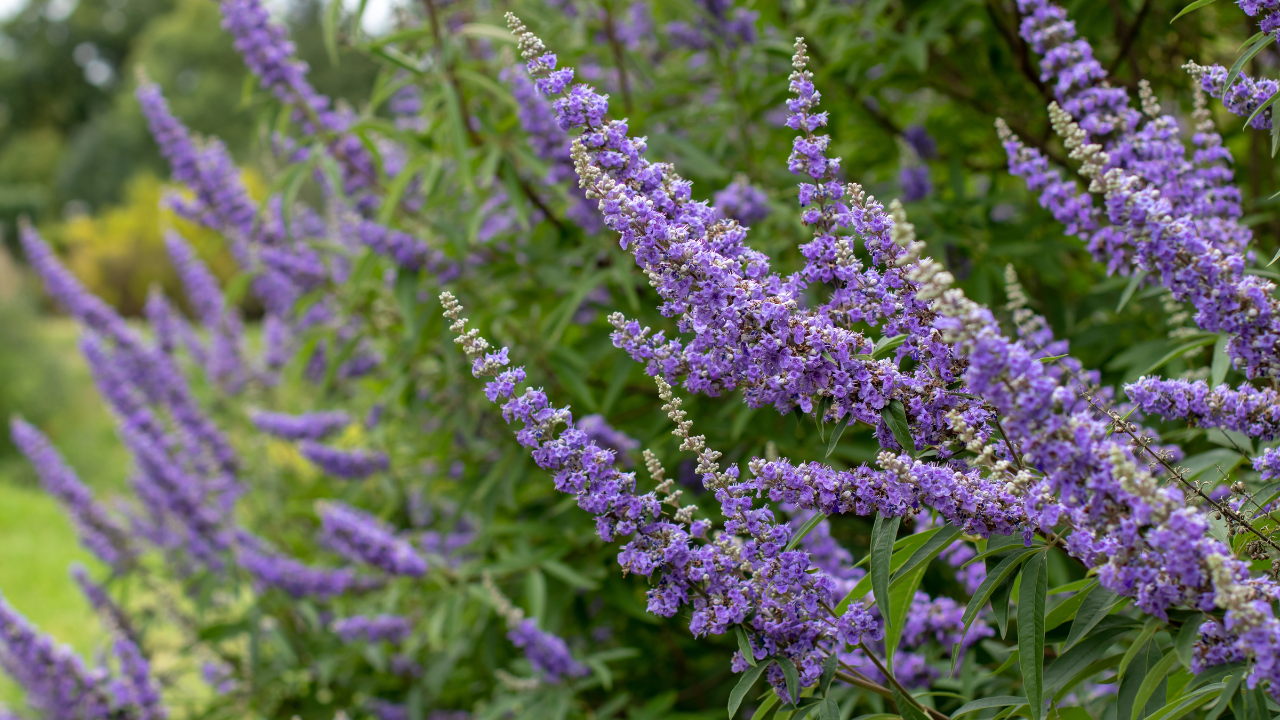
Vitex, also known as chasteberry, is one of the most widely used herbal remedies for menstrual cycle irregularities, and for good reason.
Vitex works by influencing the pituitary gland, which plays a central role in regulating hormone levels, specifically by supporting progesterone production in the second half of the cycle. For many women, irregular or missed periods are linked to a relative dominance of oestrogen over progesterone, which throws off cycle length and timing. Vitex helps nudge that ratio back toward balance. It's particularly relevant for women experiencing irregular periods alongside symptoms like short luteal phases, PMS, or cycles that are unpredictable in both timing and flow.
Read: Womb Health Herbs to Strengthen and Tone the Uterus Naturally
2. Herbal Tea Blends to Prevent Irregular Cycles
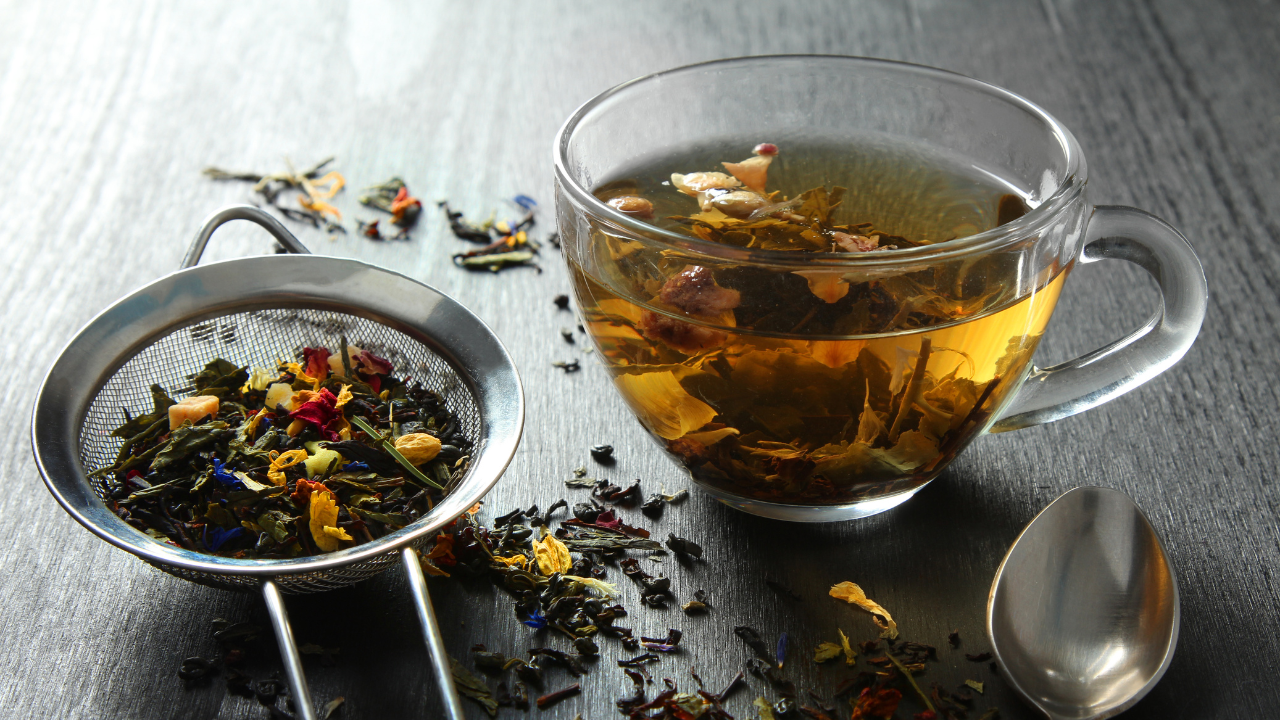
Long before supplements came in capsule form, women were brewing them. Herbal teas have been used across cultures for centuries to support menstrual health and bring some relief to the more uncomfortable days of the cycle.
The herbs most commonly used for menstrual support include:
-
Raspberry leaf: Probably the most well-known uterine tonic herb, traditionally used to tone the uterine muscles, support healthy menstrual flow, and alleviate menstrual pain
-
Ginger: Anti-inflammatory, warming, and consistently useful for menstrual cramps and sluggish flow; research supports its use for reducing menstrual pain comparable to ibuprofen in some studies
-
Chamomile: Gentle and antispasmodic, helpful for menstrual discomfort, cramping, and the emotional symptoms that accompany the luteal phase
-
Dong quai: A staple of Traditional Chinese Medicine for women's health, used to support blood flow to the pelvic area and encourage regular menstruation; not recommended during pregnancy or heavy menstrual bleeding
-
Cramp bark: Does exactly what it sounds like; traditionally used to relieve uterine cramping and ease painful periods
-
Nettle leaf: Deeply nourishing, high in iron and minerals, supportive of overall reproductive health and useful for women whose irregular periods are accompanied by fatigue or depletion
3. Adaptogenic Herbs for Stress-Related Irregular Menstruation
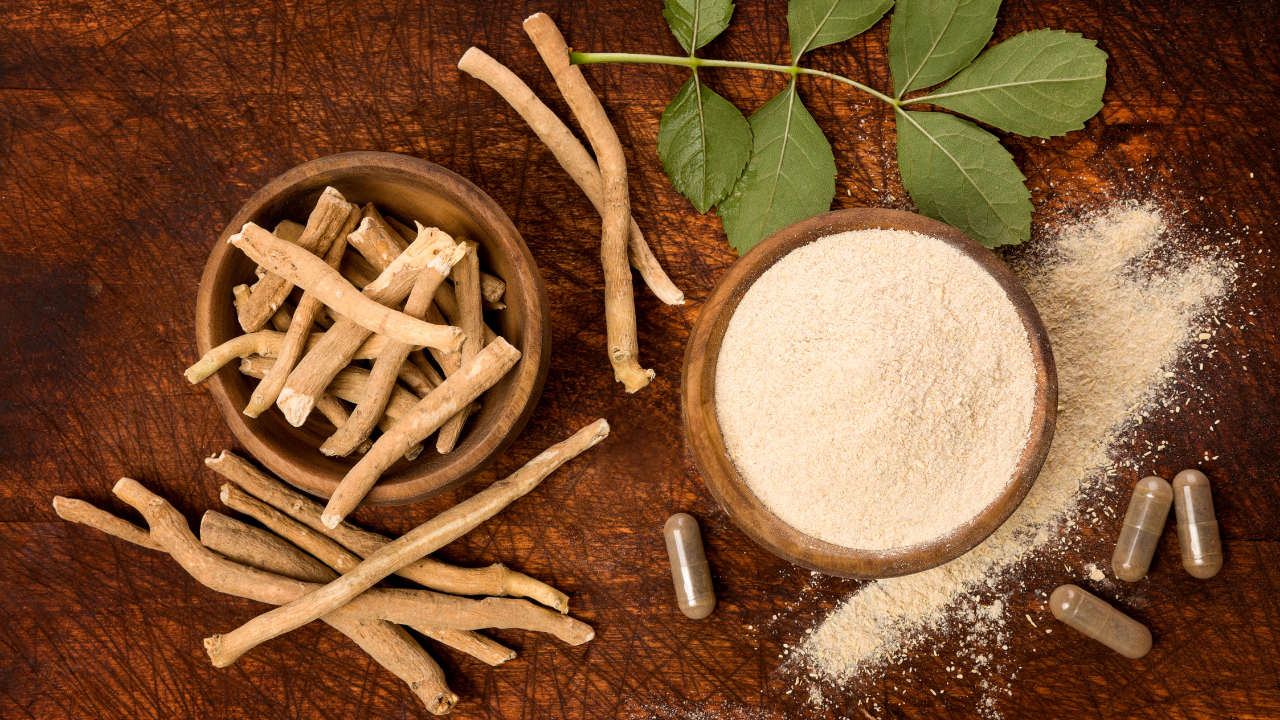
If your cycle has gone irregular and nothing obvious has changed nutritionally or medically, stress is worth looking at seriously.
Your hypothalamic-pituitary-adrenal axis and your hypothalamic-pituitary-ovarian axis are the two systems governing your stress response and your menstrual cycle respectively. When chronic stress keeps cortisol elevated, the body deprioritises reproductive function.
Adaptogenic herbs work by supporting your body's ability to regulate that stress response by reducing the physiological toll it takes. The most commonly used adaptogens for stress-related menstrual irregularities include:
-
Ashwagandha: One of the most researched adaptogens for cortisol regulation. Supports thyroid function, reduces stress-related hormonal fluctuations, and has evidence behind it for improving reproductive hormone levels in women. Particularly useful if your irregular periods come with exhaustion, anxiety, or disrupted sleep.
-
Rhodiola: Energising rather than sedating, useful for women whose stress load looks more like burnout and depletion than overwhelm. Supports adrenal function and mental resilience without overstimulating.
-
Shatavari: An Ayurvedic herb specifically oriented toward women's reproductive health. Supports oestrogen balance, nourishes the reproductive organs, and is traditionally used for irregular or missed periods linked to depletion and stress.
-
Holy basil (tulsi): Gentler than the others, but useful as a daily nervine and adaptogen. Supports blood sugar balance, reduces cortisol, and works well as a tea rather than a supplement if you want something low-commitment.
-
Maca: Supports hormonal balance and energy, commonly used for menstrual cycle irregularities and low libido. Works on the endocrine system broadly rather than targeting cortisol specifically.
4. Vitamin D as Nutritional Support for Menstrual Regularity

Vitamin D gets talked about mostly in the context of bone health and immunity, but its role in reproductive health is significant enough that low levels are worth ruling out early when you're trying to understand the causes of irregular periods.
Vitamin D functions more like a hormone than a conventional nutrient. It has receptors throughout the body, including in the ovaries, uterus, and pituitary gland. It plays a direct role in hormone production, supports the regulation of oestrogen and progesterone, and influences the signalling that drives ovulation. When levels are consistently low, that signalling gets disrupted. The result, for many women, is irregular menstruation or cycles that are present but clearly off.
Read: Vaginal Discharge Colors: A Practical Guide to Knowing What’s Normal
5. Nutrition to Support a Healthy Weight & Hormone Production
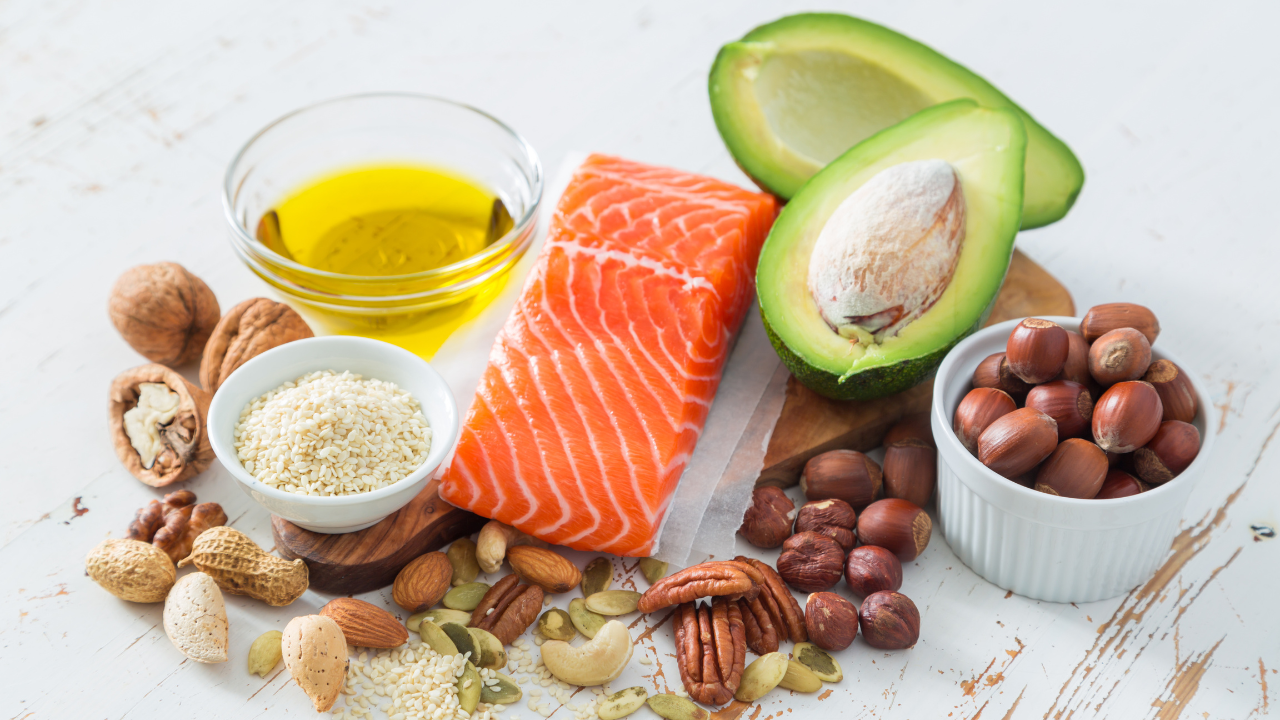
Your body needs a certain amount of food to run a menstrual cycle. Under-eating is one of the more common and underacknowledged causes of irregular periods.
Hormone production requires fat and cholesterol. Oestrogen, progesterone, and the other hormones that drive your menstrual cycle are synthesised from dietary fat, which means that very low fat diets or rapid weight loss can directly suppress hormone levels and disrupt ovulation. The body reads significant caloric deficit as famine, and famine is not a safe environment to reproduce. Periods become irregular, then infrequent, then sometimes stop altogether.
The fats that support hormone production most directly are found in foods like avocado, eggs, olive oil, fatty fish like salmon and sardines, nuts, seeds, and full-fat dairy. A diet that consistently under-delivers on fat and calories will eventually show up in your cycle, regardless of how clean or nutrient-dense the rest of your eating looks.
Losing weight quickly, even when intentional, carries the same risk. Gradual, sustainable changes to support a healthy weight are far less likely to disrupt your cycle than aggressive restriction. Blood sugar balance is the other piece of this. Irregular periods and blood sugar dysregulation are closely linked — particularly for women with polycystic ovary syndrome, where insulin resistance often underlies the hormonal imbalance driving menstrual irregularities. Practically, this means building meals around protein, healthy fats, and fibre rather than refined carbohydrates alone. Eggs, legumes, oily fish, leafy greens, root vegetables, whole grains like oats and brown rice, and healthy fats at most meals will keep blood sugar far more stable than a diet built around processed foods and skipped meals. Spikes and crashes, on the other hand, create hormonal fluctuations that the rest of your endocrine system has to compensate for.
6. Magnesium for Menstrual Pain & Cycle Support
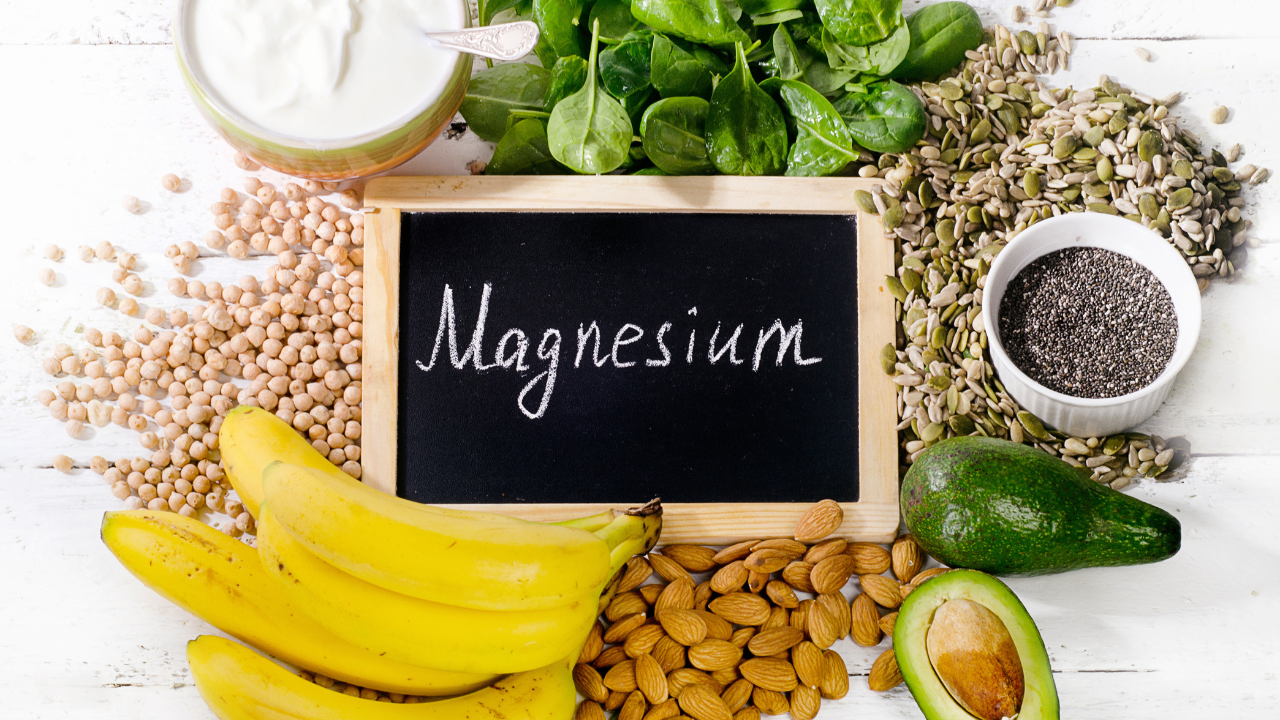
Magnesium is involved in hundreds of physiological processes, but its relevance to menstrual health comes down to a few key functions. It's a natural muscle relaxant, which makes it directly useful for menstrual cramps. The uterus is a muscle, and cramping is essentially that muscle contracting harder than necessary. Magnesium helps regulate those contractions. It also plays a role in prostaglandin regulation. Prostaglandins are the compounds responsible for triggering uterine contractions during menstruation, and elevated levels are what drive severe menstrual pain in many women. Adequate magnesium helps keep that response more proportionate.
Beyond cramps, magnesium is widely used for PMS symptoms. Many women are chronically low in magnesium without knowing it, and deficiency tends to make all of these symptoms worse. Correcting it, even modestly, can make the premenstrual phase significantly more manageable.
7. Seed Cycling for Hormonal Rhythm Awareness
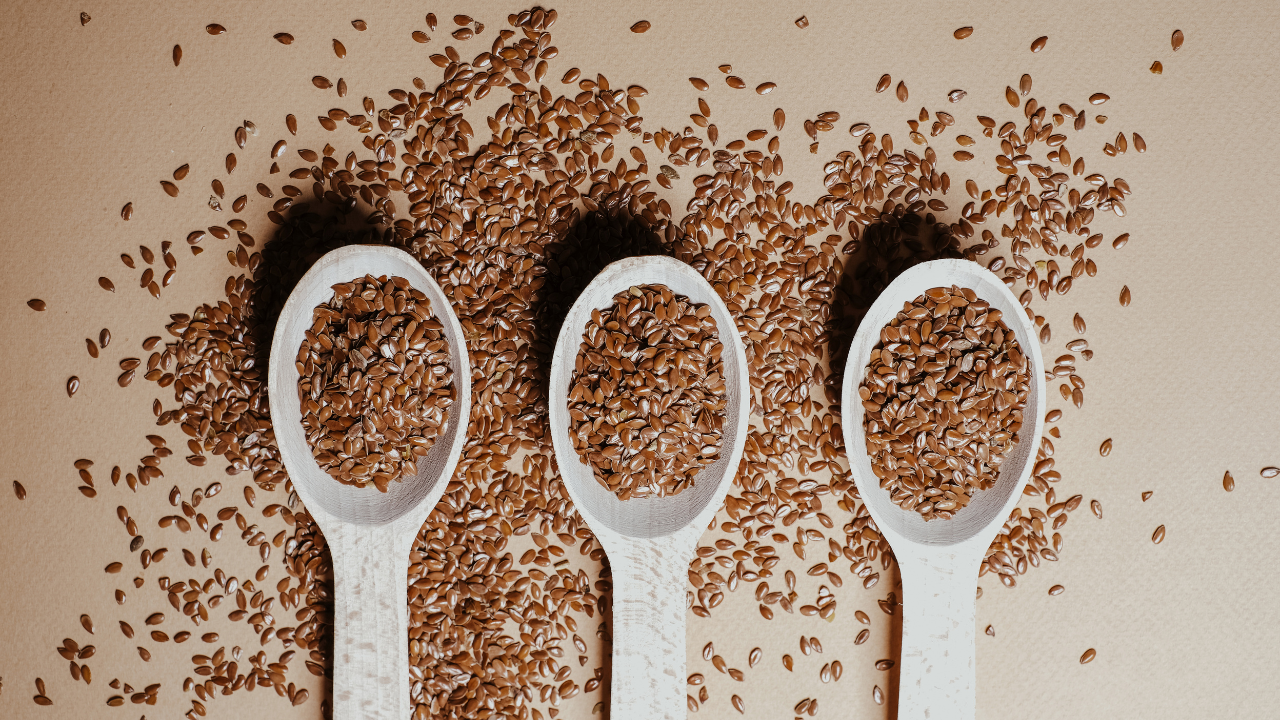
Seed cycling is when, during the first half of your menstrual cycle, from day one of your period through to ovulation, roughly days 1 to 14, you eat one tablespoon each of ground flaxseeds and pumpkin seeds daily. In the second half, from ovulation through to the start of your next period, roughly days 15 to 28, you switch to one tablespoon each of ground sesame seeds and sunflower seeds. The idea is that the specific lignans, zinc, selenium, and fatty acids in each seed combination support the hormonal activity dominant in each phase, such as oestrogen in the follicular phase, progesterone in the luteal phase.
8. Yoni Steaming (Traditional Practice)
Yoni steaming is sitting over a pot of herb-infused steam directed toward the vagina and pelvis.
The practice has roots in traditional healing cultures across Central America, Korea, and parts of Africa, where it was used to support menstrual health and general pelvic wellness. Women who explore yoni steaming for menstrual health typically report using it to encourage menstrual flow and tend to a sense of pelvic congestion or disconnection. The herbs most commonly used include mugwort, rosemary, lavender, basil, and calendul, which are chosen for their traditionally warming, circulatory, or relaxing properties.
That said, there are clear situations where yoni steaming is not appropriate and the contraindications are worth taking seriously:
-
Do not steam if you are pregnant
-
Do not steam if you have an active infection
-
Do not steam if you are experiencing heavy menstrual bleeding or abnormal bleeding
-
Do not steam mid-cycle if you are trying to conceive
-
Do not use water that is too hot
Read: Uterus Cleaner Guide: Natural Herbs, Rituals, & What Works
9. Yoni Eggs for Pelvic Awareness and Menstrual Comfort
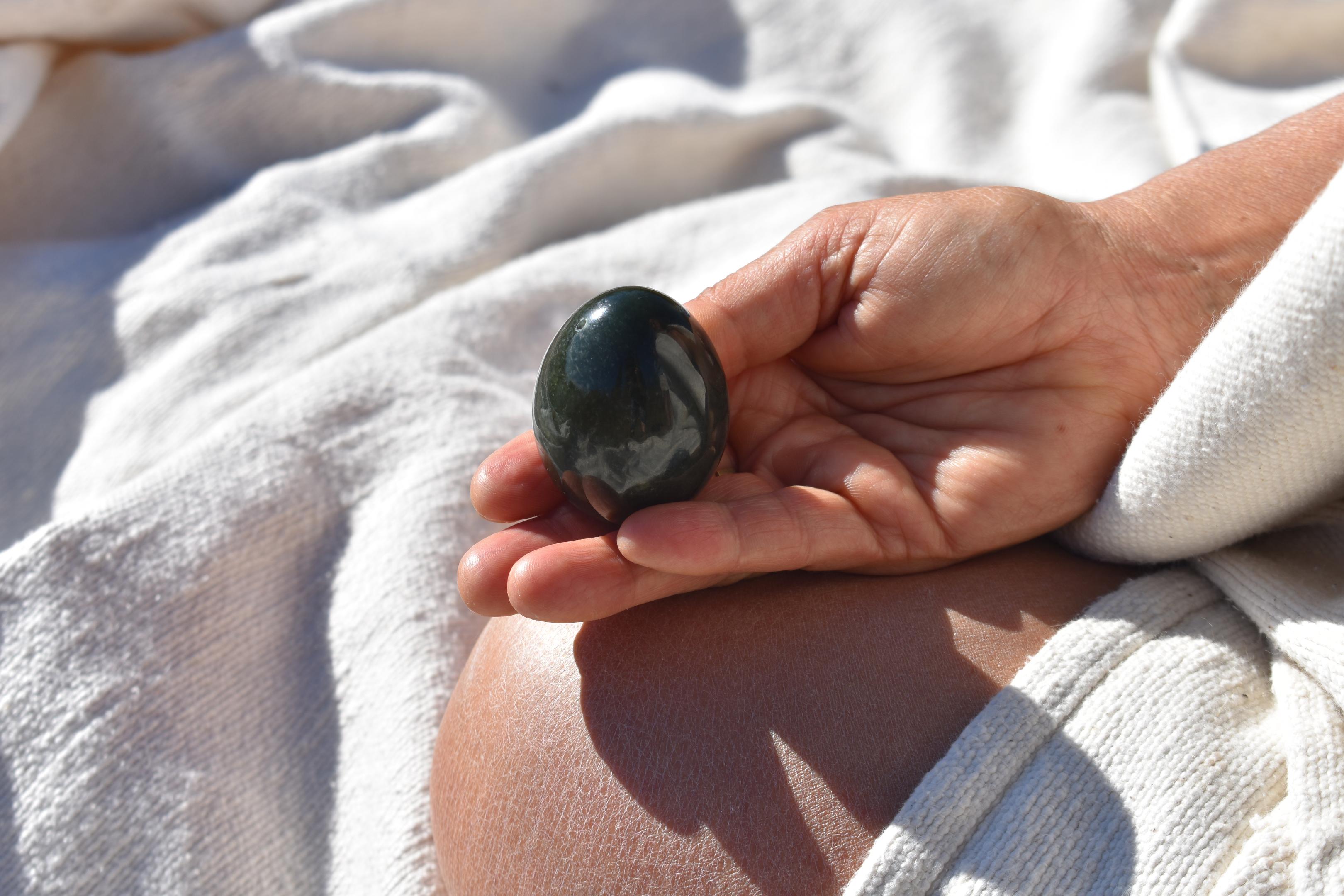
A yoni egg is a smooth, egg-shaped stone or crystal that is inserted into the vagina as a practice of pelvic awareness.
The practice has roots in ancient Taoist traditions, where it was used by women as a form of internal awareness and pelvic cultivation. Yoni eggs are frequently marketed as a pelvic floor strengthening device. The strengthening narrative is the least accurate and least useful framing for what yoni eggs actually offer.
Many women carry significant tension or disconnection in the pelvic bowl, particularly those who have experienced painful periods, sexual discomfort, trauma, or simply years of ignoring the lower half of their body in favour of getting things done. Used with sensitivity and without force, a yoni egg practice can support a quality of internal attention. It is a way of returning awareness to the pelvic space and developing a more conscious relationship with an area of the body that often holds a great deal of unprocessed experience.
10. Nervous System Regulation & Emotional Tending to Restore Menstrual Regularity

Your menstrual cycle is governed by a hormonal cascade that is exquisitely sensitive to the state of your nervous system. When your nervous system reads your environment as safe, that cascade runs relatively smoothly. When it reads your environment as threatening, for any reason, at any intensity, reproductive function gets deprioritised and cycles become irregular.
Chronic sleep deprivation, overtraining, and relentless work pressure all dysregulate the HPA axis in ways that eventually show up in your cycle. But the nervous system responds to emotional and relational conditions just as readily as physical ones. Unresolved stress, a persistent sense of unsafety, or an emotional load that's been running too heavy for too long will have the same hormonal consequences.
What actually helps is anything that genuinely returns your nervous system to a state of relative safety and regulation. Somatic practices help discharge accumulated stress through the body rather than thinking your way out of it. Emotional processing, whether through therapy or simply creating space to feel what's present, reduces the physiological load of suppressed emotion. Being genuinely connected to other people is one of the most powerful nervous system regulators there is
Frequently Asked Questions
The most useful starting point is identifying the underlying cause, because irregular periods are a symptom, and what works depends entirely on what's driving the disruption. For many women, irregular cycles are linked to hormonal imbalances, nutritional gaps, low body weight, or lifestyle factors like chronic sleep deprivation and overtraining. Addressing these directly can make a meaningful difference over time.
What's less often included in this conversation is the relational and emotional dimension. Chronic relational stress and emotionally draining living situations are among the most sustained disruptors of the hormonal cascade that governs your menstrual cycle. Tending to those conditions is as physiologically relevant to restoring regular periods as anything in a supplement bottle.
The most commonly used herbs for irregular periods are vitex, ashwagandha, shatavari, maca, and dong quai. Vitex supports progesterone production and is particularly relevant for women with PCOS or luteal phase irregularities, though it's not suitable alongside hormonal birth control. Ashwagandha helps regulate the stress response and reproductive hormone levels, making it useful when chronic stress is the primary driver. Shatavari is an Ayurvedic herb traditionally used to support menstrual flow and regulate menstruation during periods of depletion. Dong quai supports blood flow to the pelvis and encourages regular menstruation, but should be avoided with heavy bleeding or during pregnancy.
Hormonal balance is the outcome of multiple systems working together reasonably well, not a single lever you can pull. The foundations that matter most are adequate nutrition, consistent sleep, and a nervous system that isn't chronically under threat. Under-eating directly suppresses reproductive hormones. Poor sleep elevates cortisol and disrupts the cascade that drives ovulation. And the relational conditions of your life keep your stress response activated in ways that dysregulate your cycle just as effectively as any nutritional deficiency. Tending to your emotional life is hormonal support in the most literal sense, not an optional extra.
Targeted supplements like vitex, magnesium, vitamin D, and adaptogenic herbs all have roles to play depending on your specific picture, but they work best on top of solid foundations, not instead of them. If you're experiencing persistent menstrual irregularities or symptoms like unusual hair growth or heavy bleeding, get properly assessed. Conditions like polycystic ovary syndrome and thyroid dysfunction are very treatable once correctly diagnosed.
Ginger tea is the most practically useful option. It's anti-inflammatory, warming, and has genuine research behind it for reducing menstrual pain and supporting healthy menstrual flow. Raspberry leaf tea is a traditional uterine tonic worth drinking in the lead-up to your period. Chamomile is useful for cramping and the emotional symptoms that tend to accompany the luteal phase. For women with PCOS specifically, spearmint tea has some research suggesting it may help reduce elevated androgens and support more regular cycles over time. Shatavari and maca are both available as powders and can be added to warm milk or a smoothie as a daily adaptogenic support drink.
What you drink is supportive, not curative. If your irregular bleeding is new, persistent, or accompanied by other symptoms, that's a conversation for a healthcare provider rather than a trip to the tea aisle.