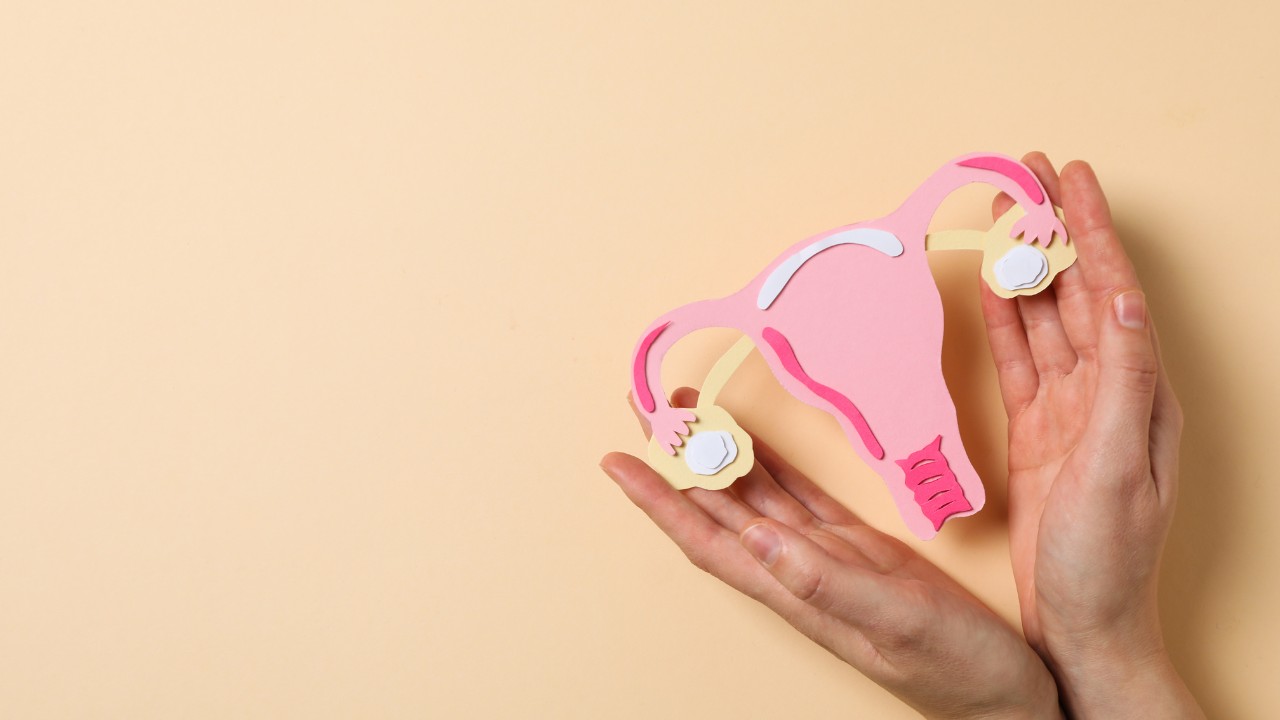
Uterus Cleaner Guide: Natural Herbs, Rituals, & What Works
Table of Contents
The uterus is a self-cleansing organ, and it performs this job exceptionally well. Each menstrual cycle, the lining of the uterus naturally sheds and renews itself, clearing out what the body no longer needs without requiring any interventions. This monthly process is the female body’s primary and highly effective cleanse.
Still, many women notice times when their cycle feels heavier and more uncomfortable. While nothing literally gets“stuck inside the uterus, it’s common to experience sensations of stagnation in the womb space.
This is where natural and traditional womb-care practices support the body overall by helping relax the pelvic muscles and create an environment where your cycle can unfold more smoothly.
In this article, we’ll look at how the uterus naturally maintains its own health and how certain herbs and rituals can support the body’s natural processes in a gentle, non-invasive way.
The Natural Uterus Cleaner: The Menstrual Cycle
Menstruation is the uterus’s natural cleansing process. Each month, the uterine lining grows, prepares for possible pregnancy, and if pregnancy doesn’t occur, is released. This shedding is the body’s way of clearing old blood and tissue so the womb can begin the next cycle fresh.
Hormones initiate the release, the uterus contracts to move the tissue out, the cervix softens slightly to allow passage, and the immune system helps clear what’s no longer needed.
The Effect of Free Bleeding

Free bleeding simply means allowing your period to flow without inserting anything into the vagina. With no tampon expanding inside you and no cup creating suction, the blood can exit the body the way it naturally wants to. Many women use absorbent period underwear, cloth pads, or a Free Bleed® blanket so they can live comfortably while still letting the flow stay unobstructed.
Without internal products, the vagina and cervix aren’t under pressure. Tampons press outward as they absorb blood, and cups create a seal that can subtly change pelvic floor tension. When that pressure is removed, many women notice their flow feels smoother and less crampy. Those who deal with sensitivity to disposable materials often feel more comfortable free bleeding as well.
Free bleeding helps women stay connected to the rhythm of their cycle. When nothing blocks the flow, you can feel the natural waves of release. You more fully feel the heavier days. You can feel the easing phases and the moment your hormones shift and the bleed begins to lighten.
Read: How to Free Bleed: Tips, Benefits, and Practical Guidance
When the Uterus Needs Extra Support
After childbirth, miscarriage, or abortion
In all of these situations, the uterus is recovering from a major physical event. The lining has changed, the cervix is adjusting, and hormones shift rapidly. The pelvic organs need time to return to their normal tone and position. Support during this phase focuses on helping the uterus contract effectively and allowing emotional and physical rest so the body can stabilize.
When periods feel stagnant, painful, or irregular
Heavy clots, dark blood, strong cramps, or unpredictable timing often reflect disruptions in circulation or hormonal balance. Different conditions can make the menstrual process feel slow or difficult, increasing the risk of complications. While nothing is physically stuck, the cycle may benefit from support that improves blood flow, and helps the uterus shed more efficiently.
After coming off hormonal birth control
Stopping hormonal contraception can lead to temporary irregular cycles while the brain–ovary communication resets. Ovulation may be delayed and bleeds may vary in intensity. Supporting the uterus during this transition means encouraging regular ovulation and giving the body time to rebuild a healthy uterine lining.
During emotional transitions or stored trauma
Emotional stress can create real physical tension in the pelvic floor and lower abdomen. This can affect how the uterus contracts and how the cycle feels. Support here involves practices that calm the nervous system and create a sense of safety so the menstrual cycle can return to a more regulated rhythm.
Yoni Steaming: The Ancient Womb-Cleansing Ritual
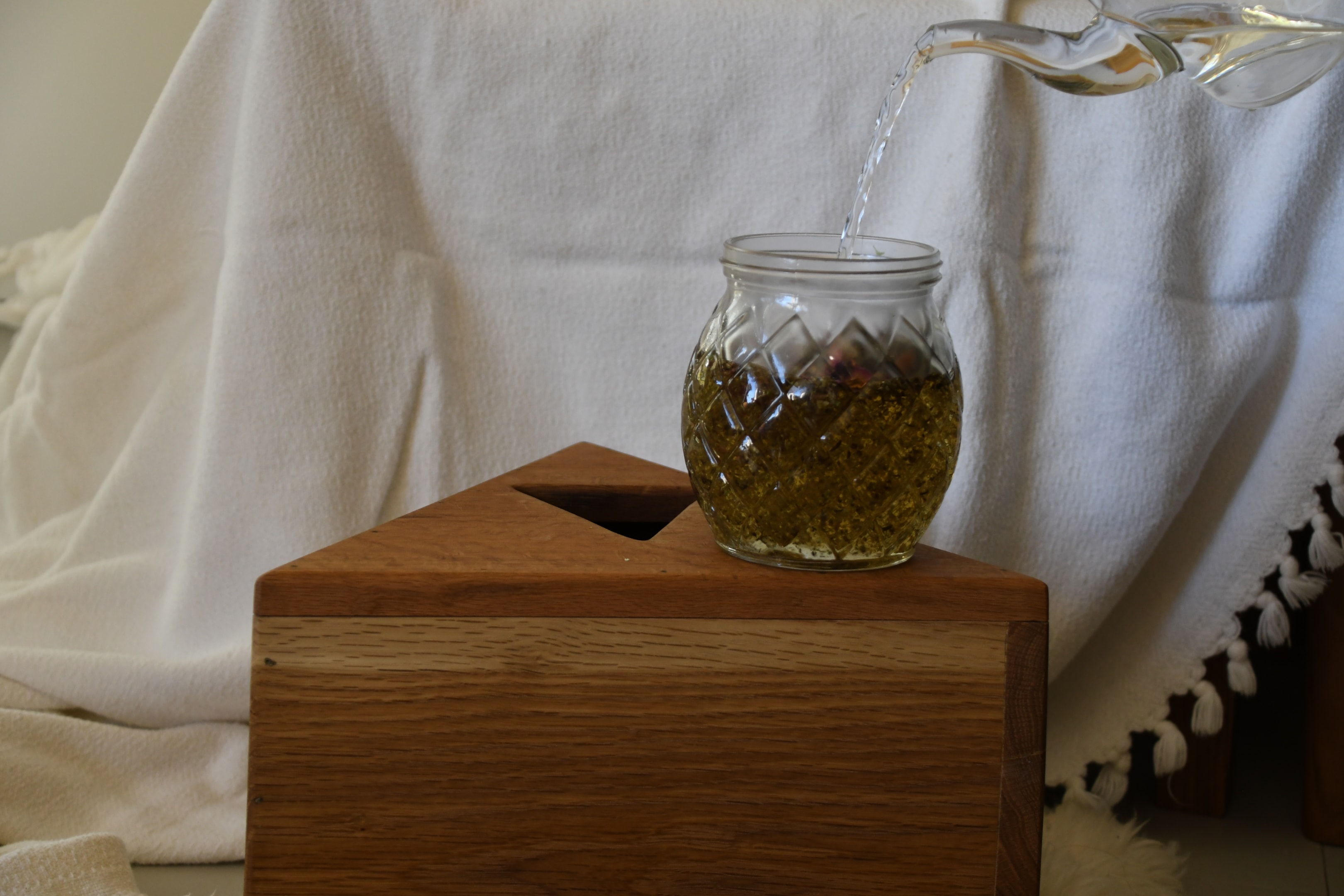
Yoni steaming is the practice of sitting above a pot or bowl of warm, herb-infused steam so the vapor can rise toward the vulva and gently warm the tissues of the pelvic bowl. The steam should feel like a soft, enveloping warmth that encourages your whole pelvis to exhale. As the tissues warm, blood vessels naturally dilate, which causes circulation to increase and the pelvic floor begins to let go of its habitual gripping.
Historically, midwives in Central and South America used steaming for postpartum healing, helping the uterus contract back to its natural size and supporting the perineum after birth. Korean jjimjilbang traditions included herbal steam baths to tone the pelvic organs and regulate cycles.
In parts of Africa and Southeast Asia, women steamed after miscarriage or pregnancy loss to help the womb release residual strain. In ancient priestess lineages, steaming acted as a ritual purification and a way to clear the womb and to reconnect a woman to her own cyclical rhythm before rites of passage.
When the warmth of the steam reaches the external tissues, the whole pelvic region begins to soften. The cervix may feel subtly more open, the lower belly may release its habitual bracing, and the menstrual flow that follows often feels smoother and more continuous. Some women notice that cramping decreases, or that clotting lessens as circulation improves and the uterus contracts more effectively. Others find the steam eases vaginal dryness or brings more sensation to parts of the pelvis that previously felt numb or disconnected.
Steaming should never be done during pregnancy, with an active infection, with open wounds, or immediately after surgical procedures.
Depending on the herbal blend used, they can be more aromatic, calming, astringent, grounding, or circulation-enhancing. Our sister site, The Empowered Woman has effective pre mixed herbal steam blends. Using the right blend can shift the entire experience, guiding the steam toward the type of support your womb is actually asking for.
Herbal Allies for Uterine Cleansing and Balance
These herbs can be woven into womb care in several gentle forms. Many women drink them as teas or infusions, allowing the nutrients and plant compounds to work through the bloodstream and support the uterus from within. Others use the dried herbs in yoni steams, where the warmth carries their aromatic qualities to the pelvic bowl. Some herbs can be made into sitz baths for soothing the vaginal canal directly.
Read: Womb Health Herbs to Strengthen and Tone the Uterus Naturally
Mugwort (Artemisia vulgaris)

Mugwort is one of the most revered womb herbs across cultures, known for its ability to stimulate healthy pelvic circulation and encourage the uterus to release with more ease. Mugwort’s warming, moving nature can help bring flow back to the womb. It eases spasm in the uterine muscle and supports the body in completing a full, thorough shed.
Mugwort has long been called the “dreaming herb” for its effect on intuition and the spaces of the feminine psyche. Many women use it when they feel disconnected from their inner knowing or when their womb feels emotionally muted.
Motherwort (Leonurus cardiaca)

Motherwort bridges the emotional and hormonal bodies in a way few herbs do. Traditionally used when cycles are irregular or accompanied by anxiety or heartache, motherwort soothes both the womb and the nervous system.
It relaxes uterine cramping that comes from stress-induced tightness, and it steadies the heart space, which is often directly linked to PMS irritability and the emotional intensity that can precede bleeding. Women who feel overwhelmed or energetically unheld often respond beautifully to motherwort.
Red Raspberry Leaf

Red raspberry leaf is a powerful ally in pregnancy and childbirth, because of how deeply it nourishes and strengthens the uterine tissue. It’s one of the most mineral-dense herbs available, supplying iron, magnesium, calcium, and potassium in forms the body can easily use.
What makes red raspberry leaf unique is its toning effect on the uterine muscles. Rather than stimulating contractions, it helps the muscle fibers become more coordinated and efficient. This is why many midwives and birth workers consider it an essential herb in late pregnancy and postpartum recovery, as a well-toned uterus can contract more effectively during labor and recover more smoothly after birth. In this sense, raspberry leaf has become known as a “miracle” herb for the womb.
Rosemary
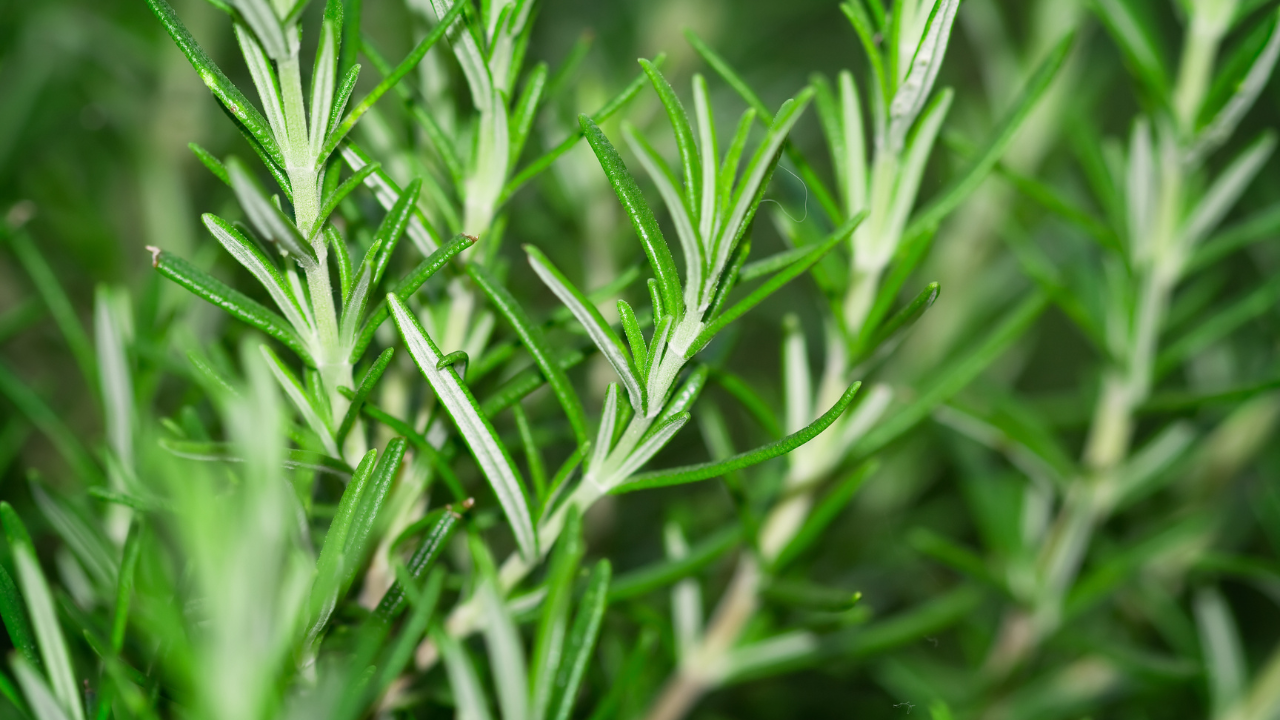
Rosemary traditionally has been used to warm and awaken the pelvic bowl. Its aromatic oils stimulate blood flow, making it helpful for uterine stagnation or menstrual cramping tied to poor circulation. Rosemary also carries gentle antimicrobial and cleansing qualities. Women who experience dark blood at the start of their period, or who live highly sedentary lifestyles often benefit from rosemary’.
Calendula

Calendula brings a soothing, reparative touch that is ideal for women with sensitive tissue or discomfort in the vaginal canal or cervix. Its cooling, anti-inflammatory qualities help calm irritation while supporting the healing of the uterine lining. Calendula is one of the gentlest herbs for the feminine body and can be used when other herbs feel too heating or too stimulating.
Yarrow
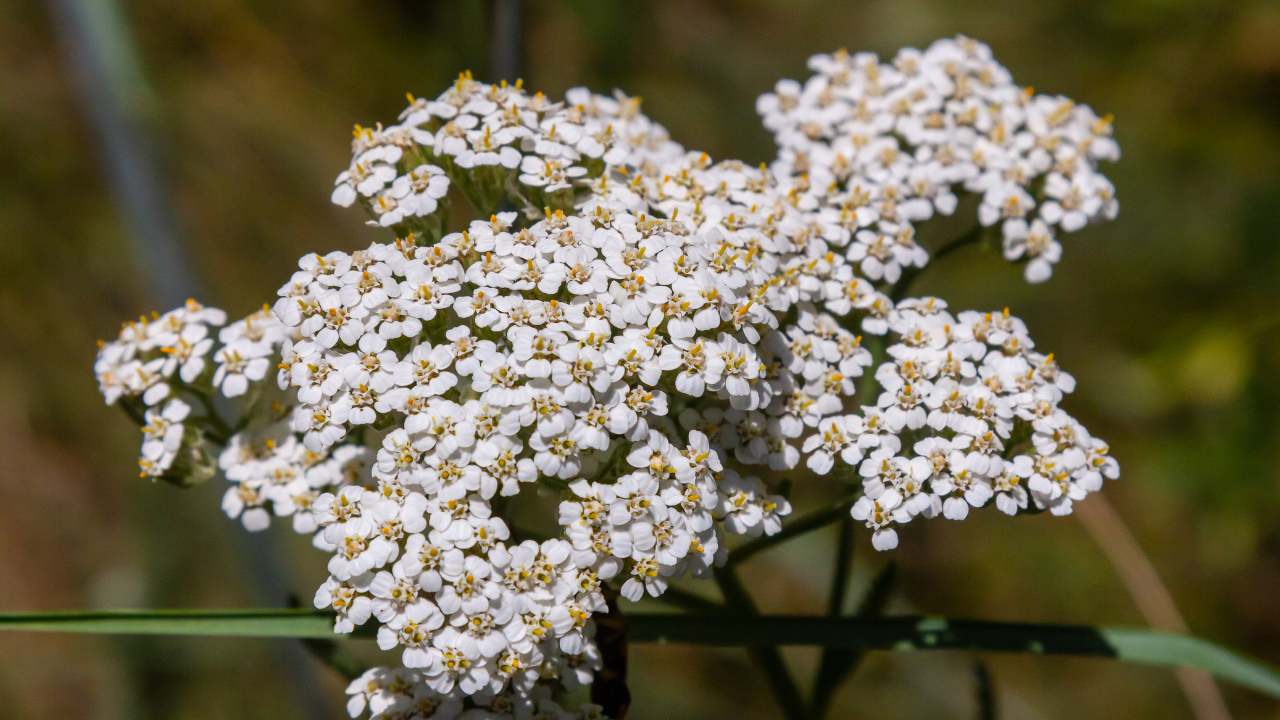
Yarrow stops excessive bleeding and breaks through stagnation which is a rare dual action that makes it invaluable for women experiencing irregular flow or cycles that feel chaotic. Its astringent qualities help the uterus tone and contract efficiently, while its circulatory effects encourage stuck or sluggish blood to move out.
Energetically, yarrow is a protective herb. It helps seal the womb space when a woman feels overly drained or energetically exposed, especially after experiences that leave emotional residue in the body.
How to Support Your Uterus Naturally
Prioritize hydration and consistent movement to keep circulation alive.
The uterus depends on healthy blood and lymph flow. When you’re well hydrated and your body is moving the pelvis receives the nutrients and oxygen it needs. This prevents that heavy, stagnant feeling many women get before bleeding and supports smoother menstrual flow.
Use deep belly breathing and intentional pelvic floor relaxation.
Most women live with a chronically gripped pelvic floor and a tight lower belly. Slow diaphragmatic breathing where the belly rises and softens helps release that tension. When the pelvic floor relaxes, blood moves more freely, cramps often lessen, and the uterus can contract and release with greater ease.
Avoid synthetic fragrances, douches, and harsh cleansing products.
The vaginal microbiome is delicate and self-regulating. Chemical fragrances, antibacterial washes, and douches disrupt the natural pH and interfere with the vagina’s built-in cleansing. A balanced vaginal environment directly supports uterine health because it reduces unnecessary inflammation and maintains the protective ecosystem your body relies on.
Honor genuine rest during menstruation.
Menstruation is the uterus’s active phase of shedding, repair, and regeneration. Rest allows your nervous system to soften, which improves uterine contractions and reduces prostaglandin-driven cramps. When you stop pushing through exhaustion and give your body permission to slow down, your period tends to be more less painful and more complete.
Replenish your body with iron-rich, mineral-dense foods after bleeding.
Your bleed naturally uses up iron and essential minerals. Supporting your body with nutrient-dense foods like grass-fed meats, leafy greens, lentils, eggs, beets, and mineral broths helps rebuild blood quality and supports hormone production. This prepares the uterus for a balanced next cycle.
Womb Work

Alongside the physical aspects of uterine care, there is also the internal relationship a woman forms with her womb space. Many women find that the uterus communicates through subtle cues. Learning to hear your womb "voice” can help you understand what your body needs before discomfort builds.
Inside The EmpoweredWoman’s membership, Viva La Vagina 2.0, we offer an entire module devoted to Womb Wisdom. We dive into how the uterus expresses unprocessed emotional energy. We show you how to interpret her signals and how to build a healthy, intuitive understanding of how your womb exoresses herself through various symptoms.
Sexually Transmitted Infections That Affect the Uterus
Certain sexually transmitted infections can move beyond the vagina and cervix and impact the uterus if they go untreated. The two most important to be aware of are chlamydia and gonorrhea, which can travel upward and lead to pelvic inflammatory disease (PID). PID can cause long-term inflammation in the womb. Trichomoniasis may cause irritation and discomfort, while HPV affects the cervix and is why regular cervical screening is essential. Many women have no early symptoms, which is why routine testing is a key part of reproductive health.
If you suspect an STI, or if you have new symptoms after a new partner, the first and most important step is to get tested. STIs require medical treatment and no herb, steam, or home remedy can remove the infection once it’s inside the reproductive tract. Proper treatment protects fertility and keeps the uterus healthy.
The Hidden Risks of Purchasing “Womb Cleaners” On Reproductive Health

In some regions, the idea that the uterus needs to be “cleaned” is still common because women often lack access to accurate reproductive health information and safe medical care. When health care services and even basic menstrual supplies are limited, women rely on what they’ve been told by family, community members, or local healers. In areas with low coverage of sexual health education, many women grow up believing that irregular periods, pelvic pain, or fertility struggles mean the womb is “dirty” or holding “old blood.”
This belief has created a market for black-market “womb cleaners” that consist of pills, powders, herbal mixtures, and liquids claiming to flush the uterus. These products circulate widely in informal markets. Investigations into these products have found everything from industrial-strength herbs to unregulated pharmaceuticals, steroids, antibiotics, and unsafe abortive substances. None of these formulas are tested for safety or long-term effects.
Using these products can cause serious harm. They may irritate or burn vaginal tissue, trigger severe uterine cramping, cause heavy bleeding, or push infections deeper into the reproductive tract. Some can damage the cervix or lead to scarring inside the uterus, increasing the risk of infertility or chronic pelvic pain. Others mimic incomplete abortion methods, which can be life-threatening without medical support. Because these products are unregulated, women have no way of knowing what they’re taking or how their body will react.
FAQ
“Uterus cleaning” is a phrase that shows up often, but in modern medicine and reproductive health there is no medical procedure intended to routinely “clean” a healthy uterus. The uterus is already a self-cleansing, self-regulating organ. Through each menstrual cycle, she sheds blood and tissue on her own which is a built-in renewal process that keeps the womb clear without needing detox products or harsh interventions.
In reality, the uterus does the essential cleansing work herself. What does help is learning natural ways to support her in completing that process. These practices help the body do what it already knows how to do with more ease, comfort, and balance.
The uterus “cleans” itself every month through menstruation, that’s her natural reset. So instead of trying to force a detox, the goal is to help the womb complete that process fully. Free bleeding can make a noticeable difference for many women because when there’s no tampon or cup applying pressure, the cervix and pelvic floor can relax and the flow often releases more completely. Herbs like mugwort, motherwort, raspberry leaf, yarrow, and rosemary support circulation and help the uterus contract with more coordination, which often reduces that “stuck” or slow feeling before a bleed.
In places with limited health care services, cervical screening, and basic education about the menstrual cycle, the idea of “cleaning” the uterus often comes from cultural beliefs rather than biology. Medical anthropology research and semi structured interviews consistently show that many women were simply never taught how the uterus works naturally, especially in developing countries where sanitary pads and sexual health resources are scarce.
There is no medication that “cleans” a normal uterus. The only time medicine steps in is when the uterus hasn’t fully released tissue after miscarriage or certain pregnancy events. In those cases, a doctor may use medication or a gentle procedure to help the uterus finish what it started. Its medical support to prevent infection and protect your long-term fertility.
The reproductive system doesn’t need to be cleansed, it needs to be supported so it can function naturally. That looks like helping the womb do what it already knows: release fully during menstruation, heal between cycles, and stay protected. Free bleeding, warmth, hip mobility, hydration, targeted herbs, and regular exercise can help the uterus complete each cycle with less congestion or cramping.
But cleansing also means protection. Regular screening keeps the cervix healthy. Treating infections early prevents inflammation from spreading upward. Choosing the right contraception, whether condoms or birth control pills protects both fertility and comfort. And because the womb often reflects emotional tension in the body, practices like womb massage, journaling, and adequate rest help soften the pelvic bowl so the menstrual process can unfold without strain.