
Period Leakage Prevention: How to Flow Without Fear
Table of Contents
From the first bleed, the instruction is clear that you must manage it and contain it. Make sure it doesn’t show up anywhere it might be noticed. So we plan, we choose products, and we build routines around keeping blood in its place.
Most of the time, that system works. And sometimes, despite preparation, the blood leaks out. This is a normal part of menstruation, especially during heavy flow days or the first few days of the cycle.
At Free Bleed, we don’t believe menstrual blood is something that needs to be hidden or managed away. We see period blood as sacred and powerful. Still, real life exists. There are situations where leaking isn’t an option, like at work, while traveling, or in shared spaces where someone else might be uncomfortable or ashamed by our blood.
This guide breaks down exactly why period leaks happen and how to prevent them.
What Exactly Is Period Leakage?
Period leakage is simply when menstrual fluid escapes beyond your chosen menstrual product, whether that’s a pad, tampon, menstrual cup, disc, or period underwear. It’s blood flowing where it wasn’t meant to go, and it happens often.
A leak usually means one of three things. Either your flow has increased, the product you’re using isn’t the right fit or absorbency for that moment in your cycle, or it’s been worn longer than your body can support.
Some women only experience leaks while sleeping, when gravity and body position change how blood flows. Others notice leakage during movement or on their heaviest flow days.
Read: The Benefits of Free Bleeding
Why Do Period Blood Leaks Happen?

Incorrect Absorbency or Product Choice
Every menstrual product has a limit. When your flow exceeds that limit, leaking is the natural result.
Many leaks happen because the absorbency doesn’t match the current state of your bleed. Early in the cycle, especially days one to three, your uterus often releases blood in heavier waves. Using a light or regular pad or tampon during these surges means the product fills too quickly, and excess blood spills out the sides or bottom.
It’s also common to underestimate heavy flow, especially if you’ve been taught to “power through” or minimize your experience.
Menstrual cups and discs collect blood rather than absorbing it, which allows them to hold significantly more fluid. Period underwear distributes blood across a larger surface area, reducing the chance of sudden overflow. These options tend to be more forgiving on heavy days.
Full or Overused Pads and Tampons
Pads and tampons work by absorbing liquid into a fixed amount of material. Once that material is saturated, it cannot take in more.
On heavier days, a pad or tampon can become full much faster than expected, sometimes in under two hours. When this happens, fresh blood follows the path of least resistance and flows out the sides, toward the back, or straight through.
If you notice leaks shortly after standing up, sitting down, or moving, it’s often a sign the product was already at or near full.
Incorrect Insertion or Positioning
Tampons and menstrual cups must be positioned correctly to work as intended. If a tampon is inserted at the wrong angle or not placed high enough in the vaginal canal, blood can flow around it instead of into it. Leaks in this case often happen immediately or within a short time of insertion.
Ensure that tampons are inserted at the right angle and depth for a good seal and to avoid leaks. Menstrual cups can also leak if they’re not fully open or properly sealed. A slight fold or incorrect placement can create a gap that allows blood to bypass the cup entirely.
Pads rely on stable placement. If a pad shifts forward, backward, or bunches during movement, it leaves exposed areas where blood can escape. This is especially common during exercise, long walks, or sleep.
Sleeping Positions & Nighttime Leaks
Gravity can influence the direction of flow when lying down versus standing up, which can affect leakage during sleep.
When lying on your back, menstrual fluid often flows toward the rear and collects near the tailbone area. Side sleeping can cause blood to move laterally, reaching the edges of pads or underwear that aren’t designed for side coverage. Period leaks are also more common at night because you are less mobile and do not change their menstrual products as frequently.
During sleep, blood may pool in the vagina and release suddenly when you change positions or stand up in the morning, overwhelming your product all at once. Overnight protection needs to account for length, rear coverage, and higher capacity, not just absorbency.
Physical Movement or Pressure
Movement creates pressure inside the abdomen and pelvic floor. Actions like standing up after sitting for a long time, coughing, laughing, squatting, or exercising can cause a sudden release of menstrual fluid.
This is why leaks often happen “all at once” rather than gradually. Blood that has been held internally can be released in a wave, briefly exceeding the capacity of your product.
Long periods of sitting can also compress pads, reducing their effective absorbency and directing blood sideways instead of inward.
How To Stop Period Leaking at Night

Choose Period Products Made for Overnight Protection
Daytime products are rarely enough for nighttime bleeding. Overnight protection is designed to hold more fluid and stay in place for longer periods.
Overnight reusable pads are longer and wider at the back, which helps catch blood that moves toward the rear while you sleep. Period underwear made for heavy or overnight flow distributes blood across a larger area, reducing the chance of overflow and side leaks.
Menstrual cups and discs are especially effective at night because they collect blood internally and can hold significantly more fluid than pads or tampons. Since they’re not affected by body position, they offer consistent protection even during heavy flow and long sleep cycles.
Layer For Extra Protection
Layering is one of the most reliable ways to prevent nighttime leaks, especially if you have a heavy or unpredictable flow.
Using a menstrual cup or disc internally paired with period underwear externally creates two lines of defense where one that collects the blood and one that absorbs anything that escapes. Similarly, combining a pad with period underwear adds extra coverage.
For additional peace of mind, consider waterproof sheets or a dedicated Free Bleed® blanket. These protect your bedding without requiring constant vigilance and allow your body to relax fully into rest.
Optimize Your Sleeping Position
Your sleeping position plays a significant role in where menstrual fluid travels.
Sleeping on your side with your knees slightly bent helps keep blood centered and reduces the likelihood of it flowing toward the back or sides. This position works well with both pads and period underwear.
If you have a heavy flow, lying flat on your back often increases the risk of leaks. Gravity pulls blood toward the rear, where pads may not provide enough coverage. If back-sleeping is your preference, choose extra-long overnight pads or layer protection to compensate.
How To Prevent Period Leaks During the Day
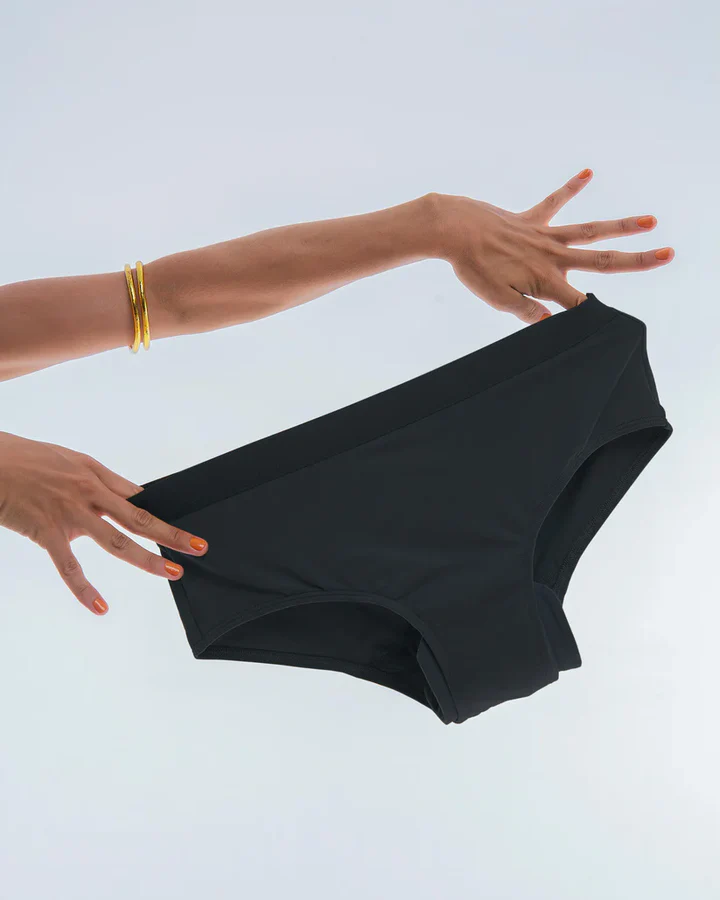
THE KIT by Nookees - Reusable High Absorbency Period Underwear
Track Your Cycle
Use a cycle-tracking app or simple journaling to note when your period starts, how long it lasts, and which days are heaviest. Most people notice clear patterns within a few cycles. When you can anticipate heavy days, you can choose higher-capacity products and avoid being caught unprepared.
Choose the Right Absorbency
Light days usually require regular absorbency, while heavier days need super or overnight options. Using too little absorbency almost guarantees overflow, especially during sudden flow surges when standing up or moving.
Menstrual cups and reusable period underwear are often more adaptable throughout the day because they can handle changes in flow without immediate leakage. Cups collect blood internally, while period underwear distributes it across a wide surface area, reducing the chance of visible leaks. It is also suggested to use overnight pads that are longer and wider at the back to provide extra coverage when lying down.
Change Regularly During Heavy Menstrual Bleeding
Pads and tampons should generally be changed every few hours, and more often on heavy days. Aim to change a tampon and pad atleast every 4 hours to prevent leaks. Even when a tampon or pad is not full of blood, it loses its absorbency from being in your vaginal canal over time, and lack of adequate absorbency can also lead to leaks.
Double Up When Needed
On extremely heavy flow days, one product may not be enough.
Layering protection, such as using a tampon or cup paired with period underwear adds an extra safety net. This is especially helpful if you’ll be away from a bathroom for several hours or in situations where changing isn’t convenient.
Wear Absorbent, Comfortable Underwear
Regular everyday underwear is usually thin and not designed to catch blood. When leaks happen, standard underwear offers no backup, so even a small amount of menstrual fluid can quickly reach your clothes and leak through.
During your bleed, it’s best to wear underwear designed to support menstruation. Use snug-fitting, cotton underwear to help keep pads securely in place. Period underwear is made with built-in absorbent layers that can catch light to moderate leaks and slow the spread of blood if overflow happens. Even when used alongside other period products, this extra absorbency can make the difference between a contained leak and visible period stains.
The Free Bleed® Blanket to Catch Period Leaks

The Free Bleed® Blanket is designed to catch and hold your period blood. It’s a simple, effective solution for reliable protection from period leakage. It can be used during sleep, heavy flow days, or long stretches of rest when actively managing bleeding isn’t realistic. We believe that bleeding bodies need rest and constantly monitoring leaks pulls you out of that rest.
The blanket features a soft outer layer made from ultra-soft microfiber fleece and velvet that feels gentle against the skin and looks like a regular throw. Inside, a discreet waterproof polyurethane layer prevents menstrual fluid from soaking through to your sheets or mattress. Unlike stiff or noisy waterproof covers, the Free Bleed® Blanket stays cozy and quiet, supporting deep rest without interruption.
At 80 × 60 inches, it offers generous coverage for a standard mattress, couch, or floor space. Instead of relying solely on menstrual products to contain every drop of blood, the blanket creates a protected surface that catches leaks naturally.
Frequently Asked Questions
Period leakage means menstrual fluid is escaping beyond your menstrual products, such as a pad, tampon, menstrual cup, or period underwear, and reaching your underwear, clothes, or bed. Period leaks are normal and happen to most people who menstruate at some point in their menstrual cycle.
Leaks are usually a signal that your flow has increased and the product you’re wearing doesn’t have the right absorbency, or it’s been worn too long. Heavy flow, pressure from movement, sleeping positions, or the first few days of bleeding can all increase the risk. Period blood moves differently depending on posture, activity, and timing.
To stop period leaking, focus on capacity, timing, and extra protection.
Choose period products with the right absorbency for your flow, especially during heavy period days or heavy menstrual bleeding. Change pads and tampons every four hours, even if they don’t feel completely full. Menstrual cups and period underwear can hold more menstrual fluid and are often more reliable for extremely heavy flow.
Layering helps prevent period leaks. Pair a cup or tampon with period underwear, or use overnight pads with absorbent, comfortable underwear. At night, add a Free Bleed® blanket to protect your bed and remove stress around period stains so you can sleep fully.
Repeated period leaks usually mean your flow is heavier than your current protection can handle. This is common during the first few days of your period, when bleeding is often worse and more unpredictable.
Leaks can also happen if pads shift, tampons aren’t inserted correctly, or menstrual cups aren’t sealed. Long hours without bathroom access, sitting for work, physical pressure, or certain sleeping positions can all increase leakage risk. If leaks are frequent despite using high-absorbency menstrual products, tracking your cycle can help you anticipate heavy flow days and prepare better.
If your period leaks, do not panic or feel ashamed, and know it happens to every menstruating woman.
If you notice a leak, go to the bathroom and change your period protection. Toilet paper can help blot excess blood temporarily if you don’t have a fresh pad or tampon right away. For clothes or underwear stains, rinse with cold water as soon as possible. Hydrogen peroxide can help lift period blood stains from fabric.
If leaks happen at night, change your sleep setup. Use overnight pads, period underwear, and a Free Bleed® blanket to cover your bed and reduce stress about waking up to stains. A heating pad can help with discomfort or pain that often accompanies heavy flow. For ongoing prevention, carry extra period products, wear absorbent underwear, and plan ahead for your next period.