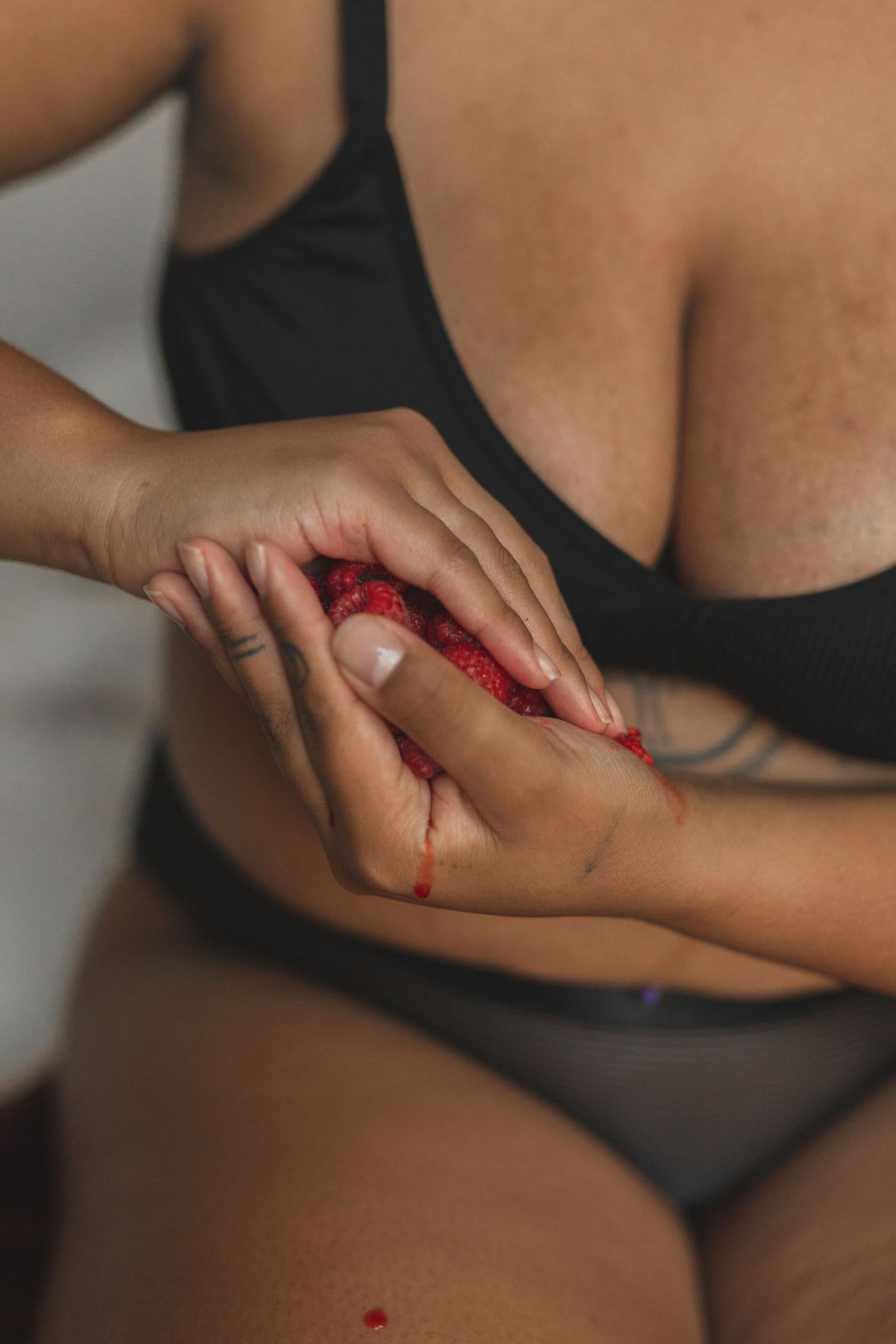
The Benefits of Free Bleeding at Night
Table of Contents
It's 2am, and you're lying flat on your back, legs pressed together, half-asleep but not really, because some part of your brain is on guard duty, monitoring for the telltale warmth that means you've leaked through. Maybe you've doubled up on a pad and a pair of period panties. Maybe you're sleeping in a position you'd never choose, just to keep everything in place. And maybe, despite all of it, you wake up to that sinking feeling and another set of sheets headed for the wash.
But what if you simply didn't wear anything?
It sounds almost too simple, even maybe a little reckless. But free bleeding, the practice of menstruating without tampons, pads, cups, or any other product, is as old as menstruating itself. People have done it for as long as people have bled, and nighttime is the easiest place to start. Of all the ways to try free bleeding, sleeping is the gentlest and most private, making it a low-stakes way to discover that your body might handle this far more comfortably than you'd expect.
What Is The Free Bleeding Movement?
Free bleeding means choosing to menstruate without inserting or wearing traditional period products. This means no tampons, no disposable or reusable pads, no menstrual cups. Instead of capturing or absorbing blood inside or against the body, you simply let your period flow and manage it through other means.
It isn't an all-or-nothing practice. Free bleeding sits on a spectrum. At one end are people who go fully product-free in every setting, having learned to read their flow closely enough to manage it. At the other end are people who choose specific moments, and for many, sleep is the obvious one. You can be a committed free bleeder for eight hours a night and wear a tampon to work the next morning.
The movement itself has roots in menstrual activism, a pushback against the idea that periods are something to be hidden and never spoken about. For decades that conversation stayed mostly in feminist and activist circles. Then, in 2015, runner Kiran Gandhi ran the London Marathon while free bleeding, deliberately and visibly, to draw attention to period stigma and period poverty. The images traveled far beyond activist spaces, and free bleeding entered mainstream conversation almost overnight.
Read: 17 Surprising Facts About Periods Most People Don’t Know
The Benefits of Free Bleeding at Night
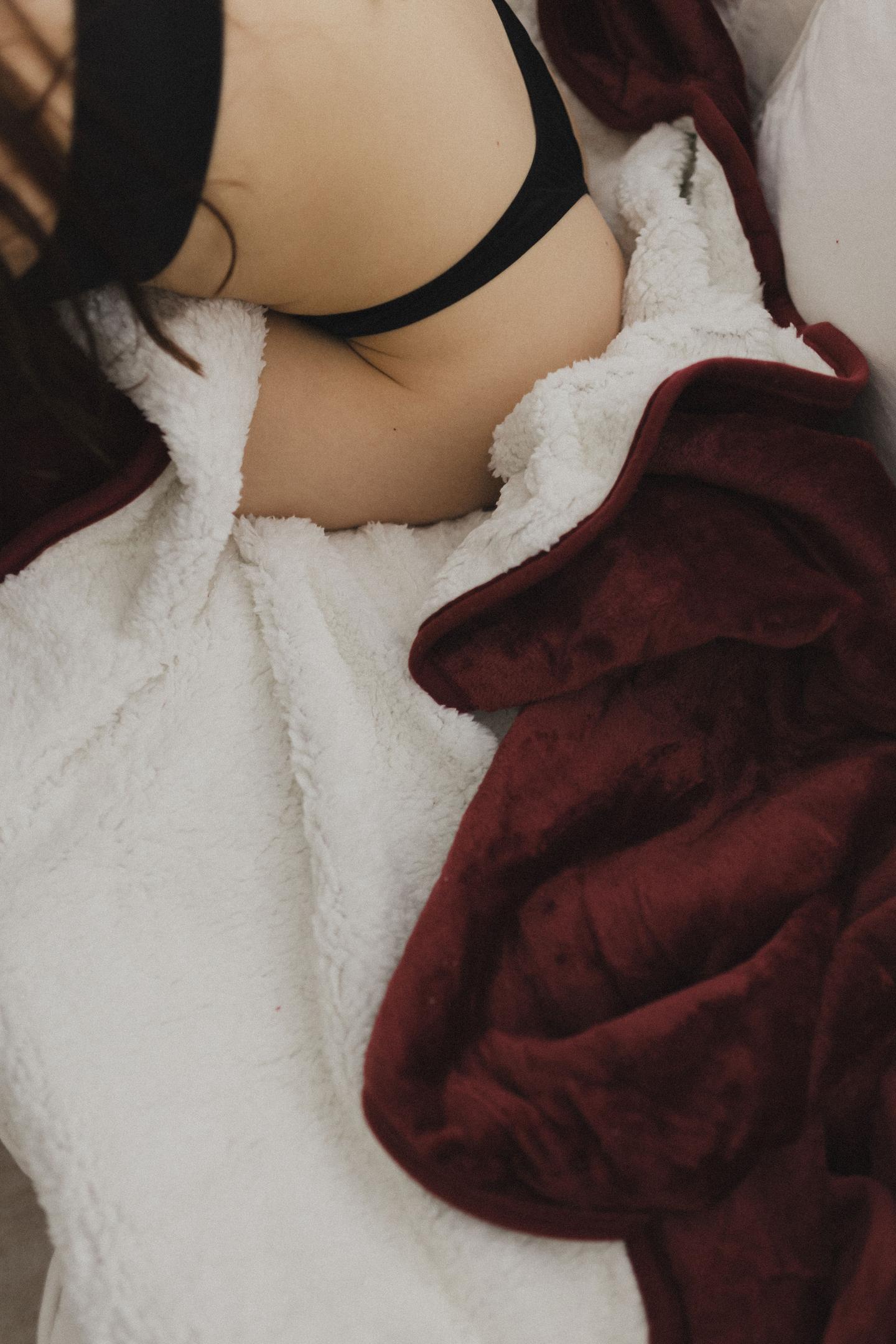
No More Toxic Shock Syndrome Risk
Toxic shock syndrome (TSS) is rare, but it's serious. It is a sudden, potentially life-threatening bacterial illness that has a well-established link to tampon use, particularly high-absorbency tampons and tampons left in for long stretches. That's exactly why the standard guidance is to avoid wearing one for too many hours at a time, and overnight is precisely when that limit gets pushed. If you insert a tampon before bed, you're often layering eight hours of sleep on top of an already long day, leaving it in well past the window most guidelines recommend.
Free bleeding at night removes that risk at the source. With no tampon absorbing fluid against vaginal tissue for hours on end, the specific conditions that allow tampon-associated TSS to develop simply aren't there.
Letting Your Body's Flow Move Freely
With a tampon, flow is absorbed inside the vaginal canal before you ever notice it; with a pad or period underwear, it's wicked away and held against you. With free bleeding, your flow simply leaves the body and moves into the bedding beneath you, with nothing inserted, pressing, or absorbing along the way.
Instead of a period being something you contain and manage through a layer of equipment, it becomes something you simply let happen. Many free bleeders describe feeling more in tune with their cycle this way, becoming more aware of when their flow is lighter or heavier, and more comfortable without the constant low-level sensation of a product to adjust or think about.
Skin Relief for Sensitive Skin
The vulva is some of the most delicate skin on the body, and it doesn't love prolonged contact with synthetic materials. Disposable pads and the absorbent layers in many period underwear are made largely of plastics and synthetic fibers, and when they sit against warm, enclosed skin for the length of a night, they trap heat and moisture in a way that can lead to irritation, chafing, rashes, and disruption to the delicate pH balance of the area. The longer the contact, the more the skin has to put up with, and a full night is a long stretch of contact.
With no pad, no liner, and nothing pressed against the vulva or vaginal opening while you sleep, the skin gets hours of uninterrupted air and zero friction from synthetic material, which can lead to many proven health benefits. For anyone who deals with sensitive skin, eczema, or ongoing vulval irritation, that nightly break can make a real, noticeable difference.
Better Sleep Without the Discomfort of Products
Period products are easy to ignore during a busy day, but at night, when everything else goes quiet, they're a lot harder to forget. A tampon can create a sense of dryness or pressure that keeps registering every time you shift position. A pad can bunch up, slide out of place, or feel warm and bulky against you, and once you're aware of it, that awareness is exactly the kind of low-grade distraction that keeps you from settling into deep, uninterrupted sleep.
Free bleeding at night with proper protection layered beneath you, takes all of that out of the equation. There's nothing to feel, nothing to shift, and nothing pulling your attention back to your period every time you roll over. Many people who make the switch describe sleeping through their period far more soundly than they used to, simply because there's no longer anything there to notice. When the only job left is to sleep, your body tends to do it better.
Read: What to Wear When on Your Period: Fabrics, Fits, and Wardrobe Tips
The Emotional Benefits of Free Bleeding at Night
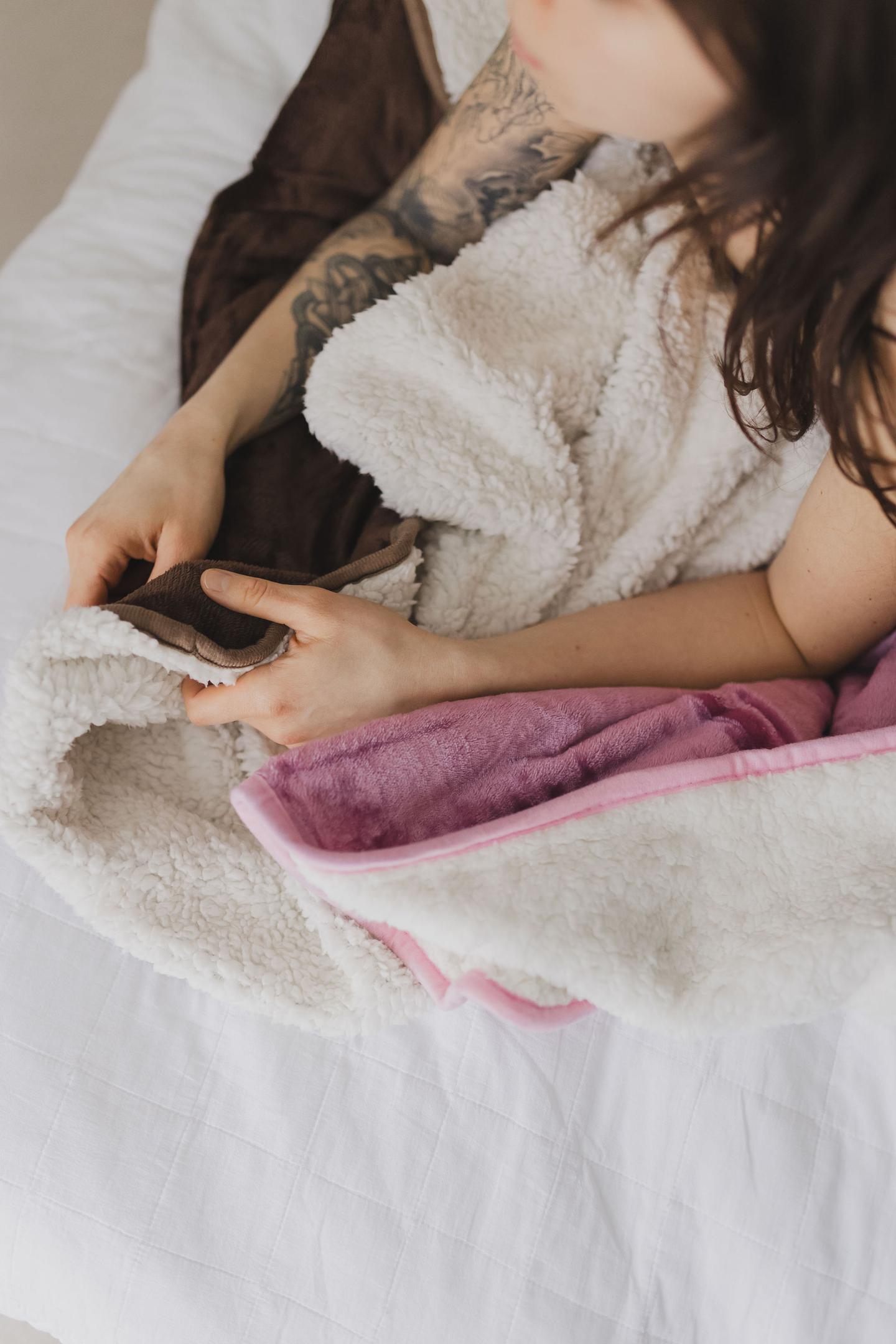
Reconnecting With Your Cycle
For most people, menstruation is something that happens almost entirely out of sight. It's absorbed before you see it, sealed into a product, wrapped, and thrown away, and managed so efficiently that you can go through an entire period barely registering your own flow. That efficiency has a cost, as when something is constantly hidden and tidied away, it becomes easy to treat it as a problem to be contained rather than a normal part of how your body works.
Without a product standing between you and your flow, you actually see and feel what your body is doing. It creates a moment of honest contact with a natural process you'd otherwise never really witness. Seeing your own period blood without flinching, without reaching for something to hide it, is a small but real act of reclaiming a part of your body that you may have been taught to find slightly shameful.
Reducing Period Stigma
For most of history, and in much of the world still, menstruation has been treated as something shameful and to be hidden at all costs. It is a thing women are expected to manage silently and never mention. That framing shapes how people feel about their own bodies, often from the very first period onward.
Choosing to bleed freely pushes back against that, even when no one else is watching. There's a quiet power in deciding, privately in your own bed, that your period doesn't need to be hidden or apologized for and that it's allowed to simply exist.
Every woman who decides her period is normal, who talks about free bleeding without lowering her voice, who treats menstruation as the unremarkable bodily process it is, makes it a little easier for the next person to feel the same. Multiplied across enough people, it's exactly how a broader cultural change actually happens.
The Environmental & Financial Benefits of Free Bleeding at Night
Reducing Environmental Waste
The numbers add up faster than most people realize. Over a lifetime, the average person who menstruates uses somewhere in the region of 10,000 to 15,000 disposable pads, tampons, and liners and the overwhelming majority of that ends up in landfill. A single conventional pad can be up to 90% plastic, and because those synthetic materials don't biodegrade, each one essentially lingers for centuries after a single night's use.
Every night you free bleed is one less disposable period product and sanitary products manufactured, packaged in plastic, used for a few hours, and thrown away. On its own that sounds small, but across a full period, every month, for years, it stacks into a meaningful reduction in the plastic packaging and the resource-heavy manufacturing behind them.
Saving Money on Overnight Menstrual Products
Overnight pads and tampons are some of the most expensive single-use period products on the shelf, which means the hours you're simply asleep are quietly some of the costliest of your whole cycle. Multiply that across every heavy night, every period, every year, and the running total is far higher than most people stop to tally.
Free bleeding at night, protected by a single reusable waterproof blanket, such as the Free Bleed® blanket, takes that recurring cost off the table. A disposable product is bought, used once, and gone, so you pay again next month and every month after. A reusable blanket is bought once and used for years, so the more nights you use it, the less each night effectively costs, until the per-use price rounds down to almost nothing.
Read: The Free Bleed® Yoni Blanket: Benefits, Uses, & Care Instructions
How to Free Bleed at Night
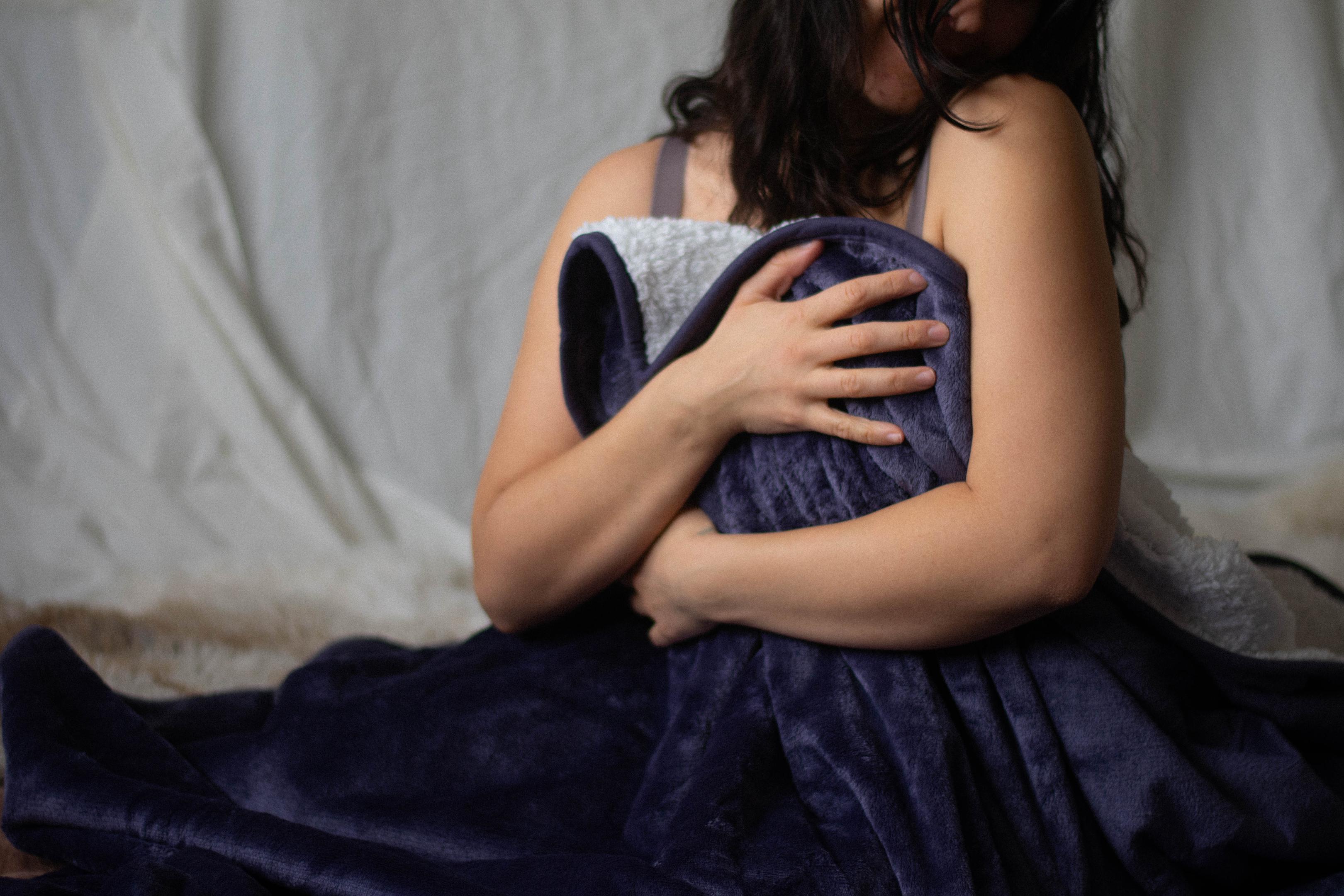
Use a Waterproof Blanket
For most people, the single biggest thing standing between them and trying nighttime free bleeding is one specific fear of blood on the mattress. Sheets can go in the wash, but a stained mattress feels permanent, and that worry alone is enough to keep the tampon in.
A waterproof, washable blanket placed beneath you removes that risk entirely. This is exactly what the Free Bleed® waterproof period blanket is designed for. It's built specifically for sleeping and free bleeding. It has a soft, absorbent layer on top that draws in and holds your flow, while a waterproof barrier underneath stops anything from reaching the sheets or mattress below. The result is that you can bleed freely through the night with no risk to your bedding as the blanket catches everything, and your mattress never enters the equation.
What to Wear or Not Wear
With the blanket doing the real work, what you wear becomes a matter of comfort rather than security. A lot of people choose to sleep bottomless when free bleeding, because nothing against the skin means maximum airflow and zero pressure, which is part of the appeal of going product-free in the first place.
Others simply feel more at ease with a second layer, and that's equally valid. If that's you, reach for dark leggings or purpose-made period-proof clothing and period panties or absorbent period pants rather than regular underwear, as ordinary underwear isn't designed to handle menstrual flow and won't reliably contain it, so it gives you a false sense of security rather than real backup. Dedicated period pants are a sensible optional addition on your heaviest nights, working alongside the blanket as a belt-and-braces setup for extra peace of mind.
FAQ
When free bleeding, with no tampon inserted and no sanitary pads pressed against you, there's nothing creating dryness, pressure, or friction and your body is simply left alone to do what it does naturally. Many people who choose to free bleed describe an immediate sense of relief and lightness as there's no product to monitor or worry about leaking through. Removing that constant low-level awareness lets your period feel like a natural bodily process rather than something to manage hour by hour. For some, letting your period blood flow freely, without hiding it away, can feel like shedding a sense of shame that traditional menstrual products quietly reinforce.
For most people, night time is the single best time to free bleed. Free bleeding is safe in a normal, healthy body. Menstrual blood is just a bodily fluid, and nighttime adds practical advantages on top of that. When you're lying down, your blood flow settles and menstrual discharge tends to be slower and easier to manage than during an active day. You're in your own safe environment, with complete privacy and no work hours or social exposure to plan around. The one thing that makes it genuinely worry-free is protection beneath you. A reusable waterproof blanket lets you avoid blood stains on your mattress entirely, so you get all the comfort of going product-free without the one real downside. With that in place, free bleeding at night is arguably the gentlest entry point into the free bleeding movement.
There's no proven evidence that free bleeding shortens your period. The length of your menstrual cycle and how many days you bleed are governed by your hormones, which control how and when the uterine lining sheds, and a tampon or pad sitting in the vaginal canal doesn't speed that up or slow it down. What free bleeding can do is change how aware you are of your flow. Without a product absorbing everything before you notice it, many people feel more connected to the natural rhythm of their period and more attuned to when it's tapering off, which can create the impression that it's moving faster.