17 Surprising Facts About Periods Most People Don’t Know
Table of Contents
Every woman bleeds. And yet, for something so universal, periods are still surprisingly under-discussed, leaving most of us with only the basics and little else.
The menstrual cycle is one of the most complex biological rhythms in the human body, involving the uterus, reproductive tract, hormones, and brain in a process that is anything but simple. From your first period to menopause, you will experience hundreds of cycles across your lifetime.
Here are 20 facts about periods that most women were never told that helps you understand the sacredness, complexity, and power within this process.
1. The Uterus Can Contract With the Force of a Small Muscle Spasm
During menstruation, the uterus contracts to expel its lining. Those contractions compress the blood vessels supplying the uterine muscle, cutting off oxygen, and that oxygen deprivation is what causes cramping pain.
The key driver is prostaglandins, hormone-like compounds released by the uterine lining as it breaks down. Higher prostaglandin levels trigger stronger contractions. Studies have found that women with severe period pain produce significantly more prostaglandins than those with mild symptoms, which is also why ibuprofen, a prostaglandin inhibitor, works better for cramps than paracetamol. In the most extreme cases, prostaglandin-driven contractions have been measured at pressures comparable to early labour contractions.
2. Period Blood Is Not the Same as Regular Blood
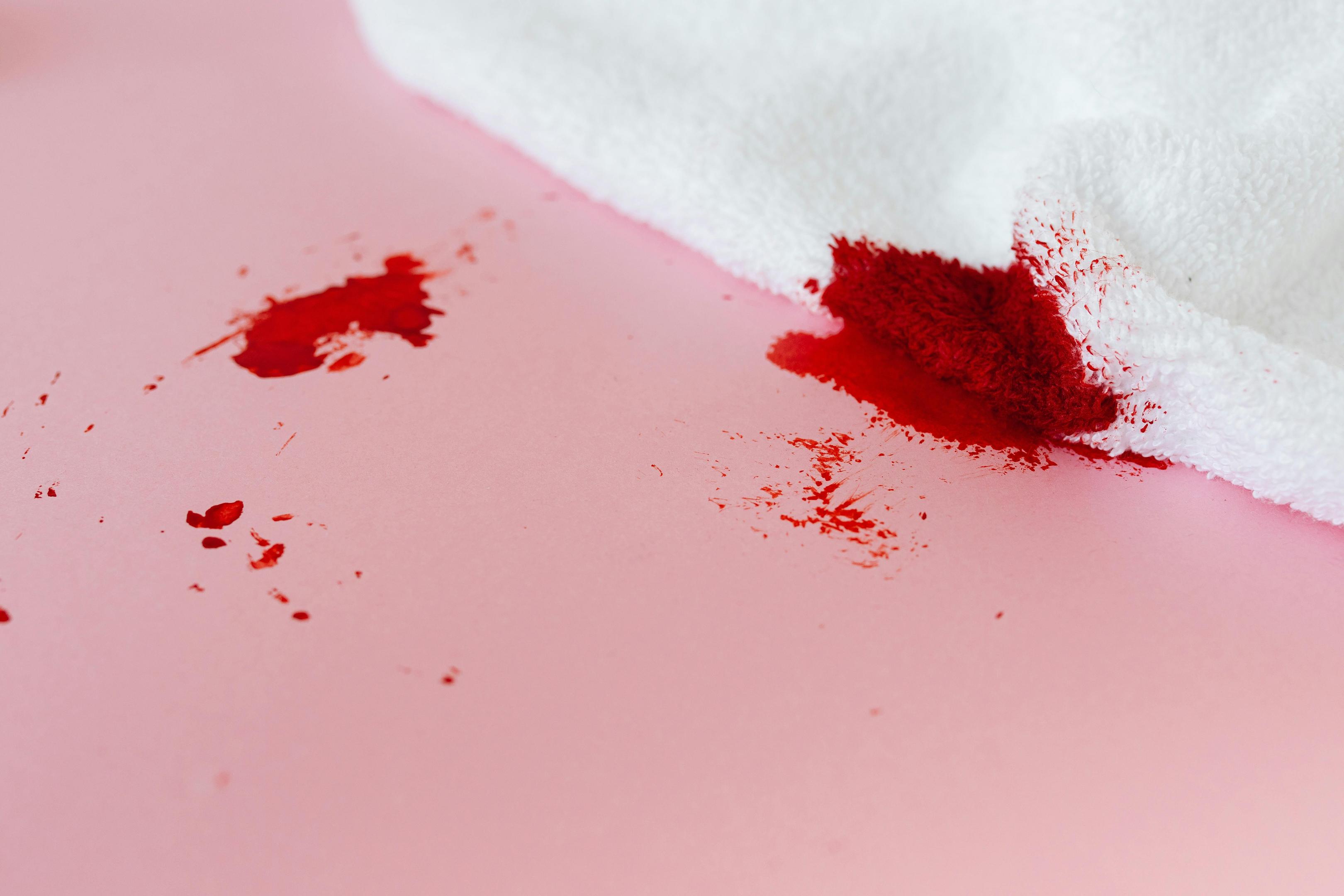
Menstrual fluid is not pure blood. It is a combination of blood, shed uterine lining tissue, cervical mucus, and vaginal secretions, which is why it looks darker and behaves differently to blood from a cut. The clots that appear on heavier days are pieces of uterine lining that were not fully broken down by enzymes before being released.
Menstrual blood also contains a notable concentration of stem cells. Researchers at several institutions have isolated mesenchymal stem cells from menstrual fluid and found them to be highly regenerative. They multiply faster than stem cells drawn from bone marrow, and are currently being studied for use in treating conditions including heart disease, diabetes, and nerve damage.
3. Your Brain Chemistry Shifts Across Your Cycle
Oestrogen and progesterone directly influences neurotransmitter activity. Oestrogen enhances serotonin receptor sensitivity, which is why the follicular phase, when oestrogen is rising, is often when women feel most mentally sharp and socially engaged.
After ovulation, progesterone increases GABA activity, producing a calmer, more inward state. In the days before menstruation, both hormones drop and serotonin levels follow, and this is the direct neurochemical cause of PMS symptoms like low mood, irritability, and disrupted sleep. Research has also confirmed that pain sensitivity increases in the premenstrual phase, with studies showing measurably lower pain thresholds in the luteal phase compared to mid-cycle.
Read: Period Positive Practices to Welcome Your Bleed
4. Your Sense of Smell May Change During Your Cycle

Your senses and smell, in particular, becomes noticeably sharper around ovulation. Research has shown that women can detect certain odours at lower concentrations during their fertile window, suggesting a temporary increase in olfactory sensitivity driven by rising oestrogen levels.
This shift appears to be biologically linked to mate selection. Studies have found that during ovulation, women tend to prefer the scent of men whose immune system genes (specifically MHC genes) are different from their own, a preference that may support stronger immune diversity in potential offspring. Outside of the fertile window, this preference often fades or even reverses.
5. The Body Burns Slightly More Calories Before a Period
In the second half of your cycle, particularly the late luteal phase, your body quietly increases its baseline energy expenditure. Studies suggest that you burn more calories around your period, as resting metabolic rate can rise by around 2–10% in the days leading up to menstruation, driven largely by progesterone.
This may not sound like much, but it’s enough to influence hunger, energy levels, and food preferences. Many women notice a distinct shift toward craving more calorie-dense, carbohydrate-rich foods before their period, and this reflects a real, measurable change in how your body is using energy.
6. The Average Woman Spends Years of Her Life Menstruating
When you zoom out, the scale of the menstrual experience becomes almost hard to grasp. The average woman will have around 400 to 500 periods over her lifetime. When combined, this amounts to roughly 6 to 7 years spent actively menstruating.
Historically, women likely menstruated far less frequently due to more pregnancies, longer breastfeeding periods, and different lifestyle patterns. In modern life, with fewer pregnancies and earlier onset of menstruation, the number of cycles has increased significantly, meaning the female body now moves through this hormonal rhythm more times than ever before.
7. Stress Can Stop Your Period Completely
Your menstrual cycle relies on a precise communication loop between your brain and your ovaries, and stress can disrupt that loop at the very top. When you’re under ongoing physical or emotional stress, your body produces more cortisol. Elevated cortisol interferes with the hypothalamus, the part of the brain responsible for releasing GnRH, the hormone that starts the cascade leading to ovulation. If those signals become irregular or suppressed, ovulation may be delayed or not happen at all. And if ovulation doesn’t occur, your period won’t either.
8. The Menstrual Cycle Can Affect Athletic Performance
Hormonal shifts across the menstrual cycle have measurable effects on how your body produces energy, tolerates pain, and recovers from exertion. In the first half of the cycle, particularly after your period, rising oestrogen supports more efficient use of carbohydrates for fuel, improves insulin sensitivity, and enhances muscle repair. This is often when strength and endurance feel more accessible, and when higher-intensity training tends to feel more manageable.
After ovulation, progesterone becomes the dominant hormone, and the internal environment changes. Core body temperature increases slightly and the body becomes less efficient at using carbohydrates for quick energy, relying more on fat instead. For some women, this makes high-intensity efforts feel harder and increases overall fatigue, even if the workout itself hasn’t changed. There is also evidence suggesting that joint stability may be slightly reduced around ovulation due to the effects of oestrogen on ligaments, which could contribute to a higher risk of certain injuries.
9. Period Pain Can Sometimes Signal Health Problems
Menstrual cramps are common, but there is a clear difference between discomfort and pain that disrupts your ability to function. Typical period pain is caused by prostaglandins, which are compounds that trigger the uterus to contract in order to shed its lining. These contractions can cause a dull, tightening sensation in the lower abdomen, especially in the first one to two days of bleeding.
However, when pain becomes severe, persistent, or progressively worse over time, it can point to underlying conditions. Endometriosis is one of the most common, where tissue similar to the uterine lining grows outside the uterus, leading to inflammation, scarring, and significantly more intense pain that may extend beyond the menstrual phase. Uterine fibroids, which are non-cancerous growths within the uterus, can also cause heavy bleeding and more severe cramping.
10. Hormones During Ovulation Can Influence Attraction
Around ovulation, hormonal changes subtly influence behaviour, perception, and attraction.
As oestrogen peaks, there are measurable shifts in how women present themselves and what they are drawn to. Some studies have found that women may feel more attractive before ovulation and may unconsciously alter their appearance during this phase, choosing different clothing, putting slightly more effort into grooming, or even changing posture and movement patterns in ways that increase perceived attractiveness.
At the same time, preferences can shift. Research suggests that during ovulation, women may be more attracted to traits associated with genetic fitness, such as facial symmetry, certain vocal qualities, or behavioural confidence.
11. Menstrual Symptoms Can Affect the Digestive System
Your uterus and your digestive tract sit right next to each other, and during your period, they don’t operate independently. The same compounds that trigger uterine contractions, called prostaglandins, can also affect the smooth muscle of the intestines. When prostaglandin levels are higher, the bowels can contract more than usual, which is why some women experience looser stools or diarrhea right before or during their period.
Hormones also play a role in the lead-up. Progesterone, which rises after ovulation, slows digestion. This can lead to bloating and that heavy, sluggish feeling in the days before your period. Then, as progesterone drops and prostaglandins increase, everything can swing in the opposite direction.
12. The Color of Menstrual Blood Can Change
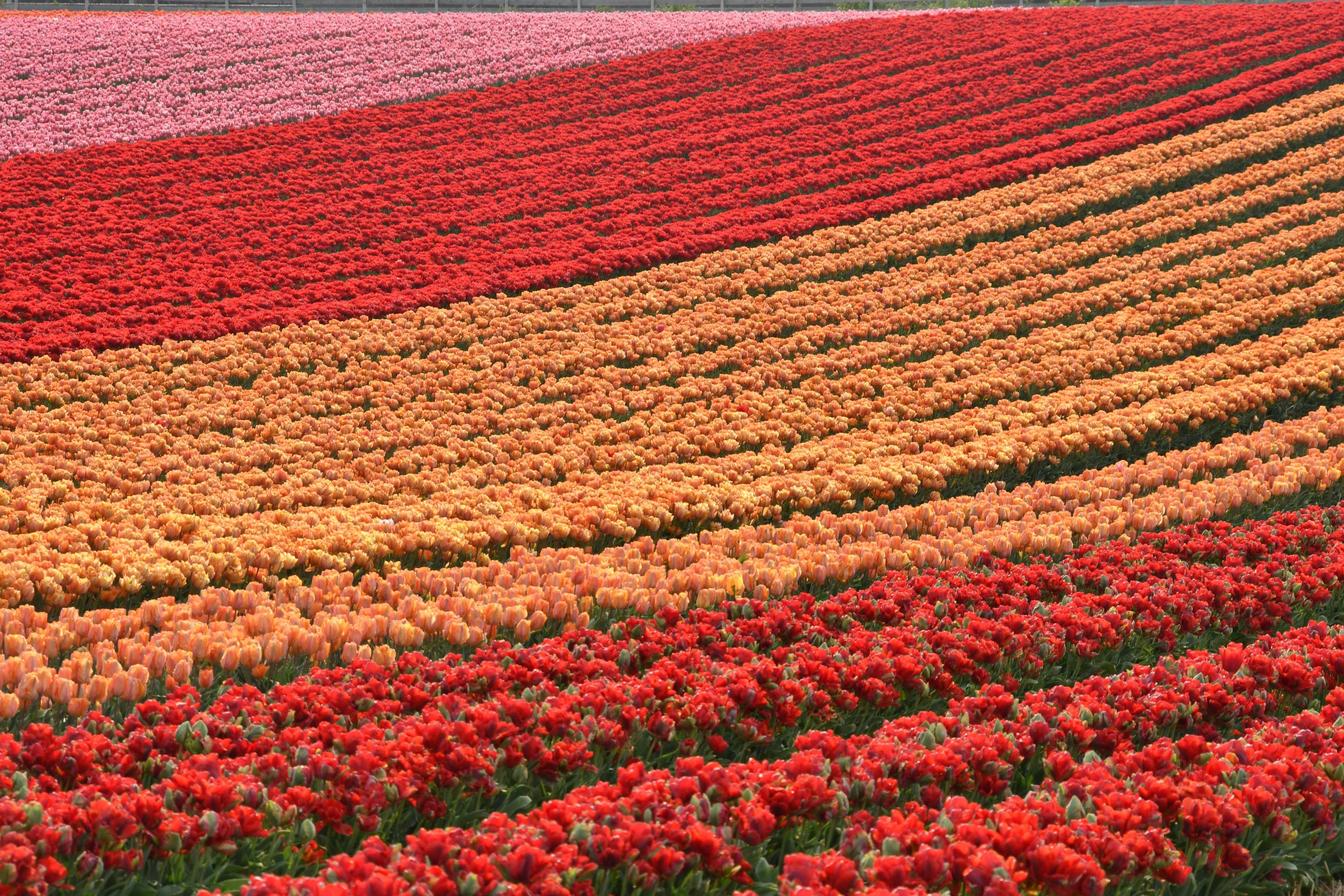
Menstrual blood doesn’t look the same from day to day, and that variation is usually completely normal. The colour largely depends on how quickly the blood is flowing and how long it has been exposed to oxygen.
At the start of a period, when flow is typically heavier, blood is often bright red. This indicates it’s moving more quickly and hasn’t had much time to oxidise. As the flow slows, the blood can appear darker red or even brown. That darker colour simply means the blood is older and has taken longer to leave the body.
Some women notice these differences more clearly when they practise free bleeding, which means allowing the blood to flow without immediately absorbing it into pads or tampons. Without that absorption, it becomes easier to observe how the texture and colour shift across the days of a cycle, from brighter and more fluid to darker, thicker, or more tissue-like.
Read: Vaginal Discharge Colors: A Practical Guide to Knowing What’s Normal
13. Menstrual Health Is a Major Global Health Issue
For millions of girls and women, having a period causes a massive logistical and social barrier. Limited access to menstrual products, clean water, private bathrooms, and accurate education means that managing a period can become difficult or even unsafe.
In many parts of the world, girls miss school during their periods because they don’t have reliable protection or a place to change it. Over time, those missed days add up, affecting education, confidence, and long-term opportunities. Stigma plays a major role too. In some communities, menstruation is still treated as something shameful or unclean, which discourages open conversation and access to support.
14. Periods Can Affect Sleep Patterns
If your sleep feels off in the days before your period, there’s a physiological reason for it. In the luteal phase, after ovulation, progesterone rises and increases your core body temperature. Even a small increase, around 0.3 to 0.5°C, can interfere with the body’s ability to fall into deeper, more restorative sleep, since cooler body temperatures are associated with better sleep quality.
At the same time, hormonal fluctuations can affect neurotransmitters like serotonin and melatonin, both of which regulate sleep and mood. As these levels shift, it’s common to experience lighter sleep, more frequent waking, or difficulty falling asleep altogether in the days leading up to menstruation.
15. Fat Cells Can Influence the Menstrual Cycle
Body fat is hormonally active tissue. Fat cells produce oestrogen, which plays a direct role in regulating the menstrual cycle. This means that body composition can influence hormone levels and overall cycle regularity.
When body fat is very low, oestrogen levels can drop to the point where ovulation is disrupted or stops altogether, leading to missed or absent periods. This is often seen in cases of intense training, restrictive eating, or significant weight loss. On the other end, higher levels of body fat can lead to excess oestrogen production, which may contribute to irregular cycles and heavier bleeding.
16. The Body Prepares for Pregnancy Every Month
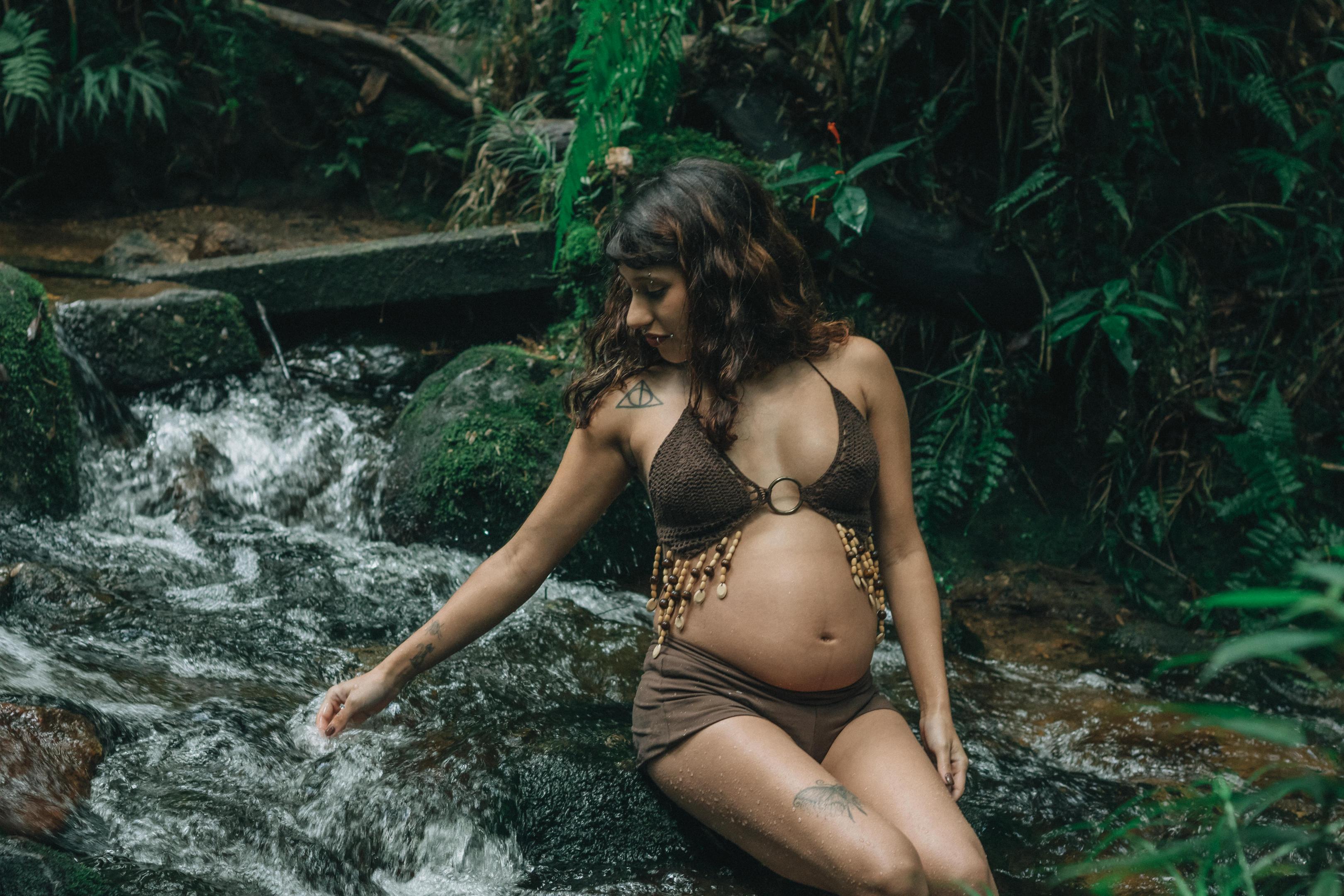
Each cycle follows the same underlying pattern, that includes building, preparing, releasing, and resetting.
After your period ends, rising oestrogen signals the uterus to rebuild its lining, which is a thick, blood-rich layer designed to support a potential pregnancy. Around ovulation, an egg is released, and progesterone takes over, stabilising that lining and making it more receptive to implantation.
For a brief window, your body is biologically prepared for pregnancy.
If fertilisation doesn’t happen, hormone levels drop, especially progesterone. Without that hormonal support, the uterine lining begins to break down and is shed as menstrual blood. Then the process starts again. Your body is actively investing energy and resources into this cycle every single month, whether pregnancy occurs or not.
17. Periods Are a Vital Sign of Women’s Health
Your menstrual cycle is one of the clearest, most consistent indicators of what’s happening inside your body.
Because it’s regulated by the interaction between the brain, ovaries, and hormones, even small disruptions in that system tend to show up in the cycle first. Changes in cycle length, unusually heavy or light bleeding, missed periods, or increasing pain can all signal underlying shifts in hormonal balance, stress levels, nutrition, or overall health.
This is why doctors often ask detailed questions about your period, such as how often it arrivess, how long it lasts, how heavy it is, and what symptoms come with it. The cycle acts almost like a monthly report on how your body is functioning.
When it’s regular and relatively stable, it usually reflects that key systems in the body are working in sync. When it changes, it’s often an early signal that something needs attention.
18. Birth Control Changes What a “Period” Actually Is
When you’re on hormonal birth control, your menstrual cycle is no longer operating in its natural rhythm. Most forms of birth control suppress ovulation, which means the usual rise and fall of female reproductive hormones is altered. Without ovulation, the uterine lining doesn’t build in the same way, and what you experience each month is not a true menstrual period, but a withdrawal bleed triggered by stopping hormones.
This is why a “normal period” on birth control can look very different through lighter menstrual flow and more predictable cycle length. Some people stop bleeding altogether. While this can be helpful for managing severe pain, heavy bleeding, or premenstrual syndrome, it also means your cycle is being externally regulated rather than internally driven.
19. A “Normal Period” Is Broader Than You Think
There is a wide range of what’s considered normal when it comes to menstruation. A healthy menstrual cycle can vary in cycle length, menstrual flow, and symptoms from one person to another. For the average woman, bleeding lasts anywhere from a few days up to one week, and regular cycles can fall between roughly 21 to 35 days.
But there’s a point where variation becomes a concern.
Heavy bleeding is one of the most commonly overlooked issues. If you’re soaking through sanitary pads or other period products very quickly or feeling consistently fatigued, it may indicate a deeper health condition. Over time, this level of blood loss can affect iron levels and overall health.
20. Reusable Period Products Can Significantly Reduce Waste
Most disposable period products are used once and thrown away, and over time, that adds up to a substantial environmental impact. The average woman will use thousands of tampons or sanitary pads across her life, many of which contain plastic components that can take hundreds of years to break down.
Reusable options like menstrual cups, period panties, and even absorbent period blankets like the Free Bleed® Blanket, offer a very different approach to managing menstrual flow. A single menstrual cup can last up to 5–10 years, replacing hundreds, sometimes thousands, of disposable products. Period panties, depending on how often they’re used and cared for, can last several years and significantly reduce reliance on single-use items.
Research estimates suggest that switching to reusable period products can reduce menstrual-related waste by over 90% across one lifetime. Considering how many cycles the average woman experiences, that’s a meaningful reduction.
Read: The 7 Best Sustainable Period Products for a Waste-Free Cycle