27 Myths About Menstruation (Debunked)
Table of Contents
Menstruation has been misunderstood for a very long time.
For most of recorded history, the patriarchy built an impressive catalogue of reasons to fear, shame, and restrict the bleeding body. Women were barred from temples, warned that their blood would kill crops and sour wine, isolated in outdoor sheds, and told their emotions couldn't be trusted.
And while we'd love to say the ancient world was the worst of it, a surprising number of those beliefs are still alive and just wearing different clothes today.
This article corrects some of the most well known myths about menstruation and reveals what's actually true.
Ancient & Historical Myths (The Truly Wild Ones)
1. Menstrual Blood Could Kill Crops
Rome was, by most accounts, a pretty sophisticated civilisation. And yet, Rome's most respected natural historian, Pliny the Elder, a man who wrote 37 volumes on the natural world, was absolutely convinced that a menstruating woman walking through a field would cause the crops to wither, the fruit to drop, and the bees to die.
Walk through the garden on your period and you are a one-woman agricultural disaster zone.
The list of things Pliny believed menstrual blood could destroy is genuinely impressive, and includes seedlings, grass, insects, mirrors, the edges of iron and steel blades, and the potency of surgical instruments.
The truly wild part is that the same blood that supposedly killed crops was also prescribed as a crop protector in certain contexts. Menstruating women walking barefoot around the perimeter of a garden were said to ward off pests. So the bleed was both catastrophic poison and effective pesticide, depending on the chapter.
2. Menstruating Women Could Turn Wine Sour
According to Pliny, a menstruating woman who so much as touched wine would turn it to vinegar on contact.
You might expect this to be a belief that faded out as chemistry developed and people started actually studying fermentation. And you would be wrong. In 1878, the British Medical Journal published a letter genuinely asking whether menstruating women could reliably cure ham. Multiple physicians wrote in to share their anecdotal evidence that no, they could not.
3. Periods Were a Way to Cleanse "Bad Blood"
Hippocrates and Galen, the men whose ideas dominated Western medicine for over a thousand years taught that the body ran on four humours, which includes blood, phlegm, yellow bile, and black bile. Women, in this model, were constitutionally cold and damp, which meant they couldn't burn off excess blood through sweat and exertion the way men supposedly could. Menstruation was the body's solution as a monthly release valve for stagnant or impure blood that would otherwise build up and make you ill.
4. Menstrual Blood Was Used in Magic
Across parts of Europe, West Africa, and the Americas, menstrual blood was considered one of the most potent magical substances a person could get their hands on. European folk magic traditions used it in love spells and added to food or drink to secure a man's devotion, or used it to anoint objects and doorways.
In various West African traditions, menstrual blood held protective properties and was used in rituals to guard against malevolent spirits or strengthen community. In parts of Indigenous North American practice, the power was considered so concentrated that menstruating women were seen as being at their most spiritually potent.
Read: 10 Period Rituals That Makes Menstruation a Sacred Practice
5. Menstruating Women Should Be Isolated
Of all the myths on this list, this one has the longest reach, and the most present-tense consequences.
The practice of separating menstruating women from daily life shows up across an almost comical range of unconnected cultures, including ancient Hebrew law, Hindu tradition, practices across Indigenous communities on multiple continents, and a thousand unwritten household customs that nobody questioned because nobody could remember a time when they weren't just how things were done. Menstruating woman were not allowed to cook or touch certain foods. They could not enter churches, temples, or sacred spaces, and were allowed no contact with men or children. The body, for a few days a month, reclassified as a contamination risk.
The most extreme surviving version is Chhaupadi, practised in parts of rural Nepal, where menstruating women were required to sleep in small outdoor sheds, completely separated from the family home. Nepal officially criminalised the practice in 2017.
6. Eclipses Could Harm Menstruating Women
The ancient world was convinced that a menstruating woman caught outside during a solar eclipse would suffer immediate and specific consequences. Depending on the tradition, exposure could cause illness, fetal deformity if she was pregnant, permanent damage to her eyesight, or a generalised spiritual contamination so serious it required ritual purification before she could re-enter normal life.
7. Periods Were Caused by the Moon
The connection between menstruation and the lunar cycle is ancient and genuinely understandable. The average menstrual cycle runs roughly 28 to 29 days, and so does the lunar cycle. In the absence of biology textbooks, this overlap looked less like coincidence and more like correspondence. Ancient Greek, Roman, Chinese, and Indigenous traditions across multiple continents all developed versions of the moon-cycle connection independently.
8. Menstrual Blood Attracted Evil Spirits
Several ancient and folk traditions held that menstruation made women spiritually porous, where they were operating in a kind of supernatural no-man's-land where malevolent entities could get a foothold. The blood itself was sometimes described as a beacon, drawing spirits the way a light draws moths. This is an unsettling image and also, to be clear, is not how spirits work, primarily because spirits aren't real, but the belief had very real consequences for the women it was applied to.
In parts of ancient Persia, Zoroastrian texts classified menstruating women as actively dangerous and capable of transmitting demonic influence to others through touch, breath, or even prolonged eye contact. The Vendidad, one of the oldest Zoroastrian sacred texts, contains detailed instructions on how to isolate menstruating women to contain the spiritual contamination, including specifications about how far away from a fire they should sit (enough that the demon couldn't leap across) and what kind of food should be passed to them without direct contact.
In parts of West Africa and the Caribbean, menstrual blood was believed to attract both evil spirits and powerful ones, making the menstruating person a site of intense spiritual activity that needed to be carefully managed. The management almost always involved restriction of some kind and limited where she could go, what she could touch, who she could be near.
Cultural Myths That Still Exist Today
9. Period Blood Is Dirty
Period blood is often seen as waste. It's something to be contained and disposed of as efficiently and invisibly as possible, preferably without anyone in a five-metre radius being made aware it exists.
It is none of those things.
Menstrual fluid is a mixture of blood, uterine lining tissue, cervical mucus, and vaginal secretions. It's not a byproduct of a filtration system. It's not the body expelling something it no longer wants. It's the shedding of a carefully constructed environment that the body built in preparation for a potential pregnancy, and when that pregnancy doesn't happen, the body releases it and starts building again. It is, if anything, evidence of an extraordinarily sophisticated biological process running exactly as intended.
10. You Shouldn't Touch Food While Menstruating
The belief that menstruating women will spoil food, disrupt fermentation, or contaminate anything they cook is still enforced in households across South Asia, parts of Africa and the Middle East.
In some regions of India, this belief is so embedded that it has been documented in formal ethnographic research where a study on menstrual practices in rural Maharashtra found that restrictions on food handling were among the most consistently enforced menstrual taboos, often upheld by older women in the household and passed directly to younger girls.
11. You Shouldn't Wash Your Hair on Your Period
This one is still being told to teenagers by well-meaning aunties across South Asia, Eastern Europe, Latin America, and beyond, which makes it one of the more geographically ambitious myths on this list. The specifics vary by region and in some versions, washing your hair during your period will disrupt your flow and cause the blood to "go back inside" and make you ill. In others, the cold water will cause cramps so severe they'll be debilitating. In others still, it's simply dangerous in a vague, unspecified way that nobody can quite articulate but everyone seems to agree on.
12. Talking About Periods Is Shameful
Nobody announces this one out loud. It doesn't need to be stated explicitly because it's enforced through something far more efficient than words, including silence, wincing, euphemism, and the subtle social recalibration that happens when someone mentions their period in the wrong company and the temperature in the room drops two degrees.
A 2021 survey by Plan International found that two million girls in the UK had missed school due to period-related issues, and that a significant portion cited embarrassment and lack of open conversation as factors, not just physical symptoms. In lower-income countries, UNESCO estimates that 1 in 10 girls in sub-Saharan Africa misses school during her period, with lack of facilities and menstrual stigma cited as primary drivers. You cannot build adequate infrastructure for something that isn't allowed to be discussed in planning meetings.
13. Women Should Hide Menstrual Products
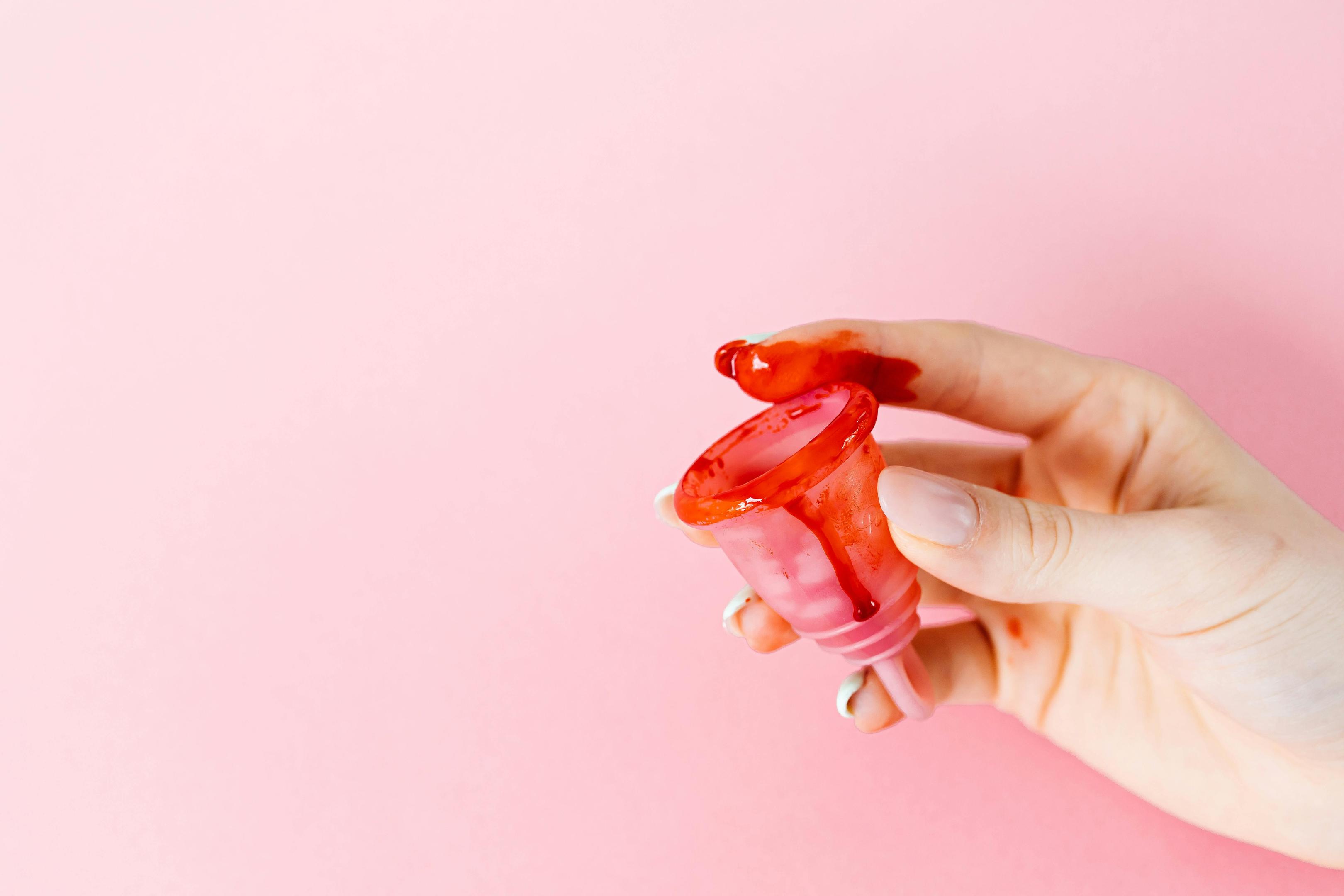
The pad-up-the-sleeve manoeuvre. The tampon buried at the bottom of the bag. The menstrual cup discussed in lowered voices like a controlled substance. The social contract around menstrual product visibility is so deeply embedded that most people who follow it have never consciously decided to, they just absorbed it, somewhere around age 12, and never questioned it.
The irony is that the global menstrual hygiene market was valued at over $41 billion in 2023 and these products are manufactured at industrial scale, sold in every supermarket on earth, and used by roughly half the global population for a significant portion of their lives. They are, by any reasonable measure, completely ordinary. The concealment ritual exists not because because the myth requires them to be treated as if they are.
Read: Our Conscious Period Shop for Free Bleeding & Reusable Period Care
Modern Health & Body Myths
14. You Can't Get Pregnant on Your Period
This is probably the most consequential myth on the entire list, in the sense that it has the most direct and immediate real-world implications for people making decisions about their bodies.
Pregnancy requires ovulation, and ovulation typically occurs around the middle of a cycle, roughly day 14 of a 28-day cycle. If you're menstruating, you almost certainly haven't ovulated yet. Almost certainly is not the same as definitely, and this is where the myth breaks down.
Sperm can survive inside the reproductive tract for up to five days. If you have a shorter cycle, say, 21 to 24 days, you may ovulate as early as day 10 or 11. If you have sex on day 7 of your period, and sperm survives for five days, and you ovulate on day 10, that's a viable conception pathway. It's not common, but it's not impossible.
15. A "Normal" Cycle Length Is Always 28 Days
The origin of the 28-day figure is partly the moon-cycle overlap discussed earlier, and partly the fact that early reproductive medicine was built on small, non-representative samples, often of women in controlled institutional settings, whose cycles may have synchronised due to shared environment and stress levels.
The actual range of normal is 21 to 35 days, and even that's a guideline rather than a hard boundary. A large-scale 2019 study published in npj Digital Medicine drawing on data from 612,000 menstrual cycles logged by over 124,000 women found that only about 13% of cycles were actually 28 days long.
16. Irregular Periods Are Always a Problem
The word "irregular" does a lot of damage in menstrual health conversations. It gets applied to any cycle that doesn't match the 28-day model, which, as we've just established, is most of them.
Sometimes irregular cycles are a signal worth paying attention to. But "irregular" covers an enormous amount of normal human variation, and flattening all of it into a problem category does real harm to people who spend years anxious about bodies that are, in fact, functioning exactly as they should.
Cycles naturally lengthen and shorten in response to stress, significant weight changes, intense exercise, illness, travel across time zones, disrupted sleep, and the normal hormonal shifts that happen across a lifetime. Adolescent cycles can take up to three years after the first period to settle into any kind of pattern. Cycles in the years approaching menopause become unpredictable almost by definition, as hormone levels fluctuate before eventually declining.
17. Menstrual Blood Is Just Blood
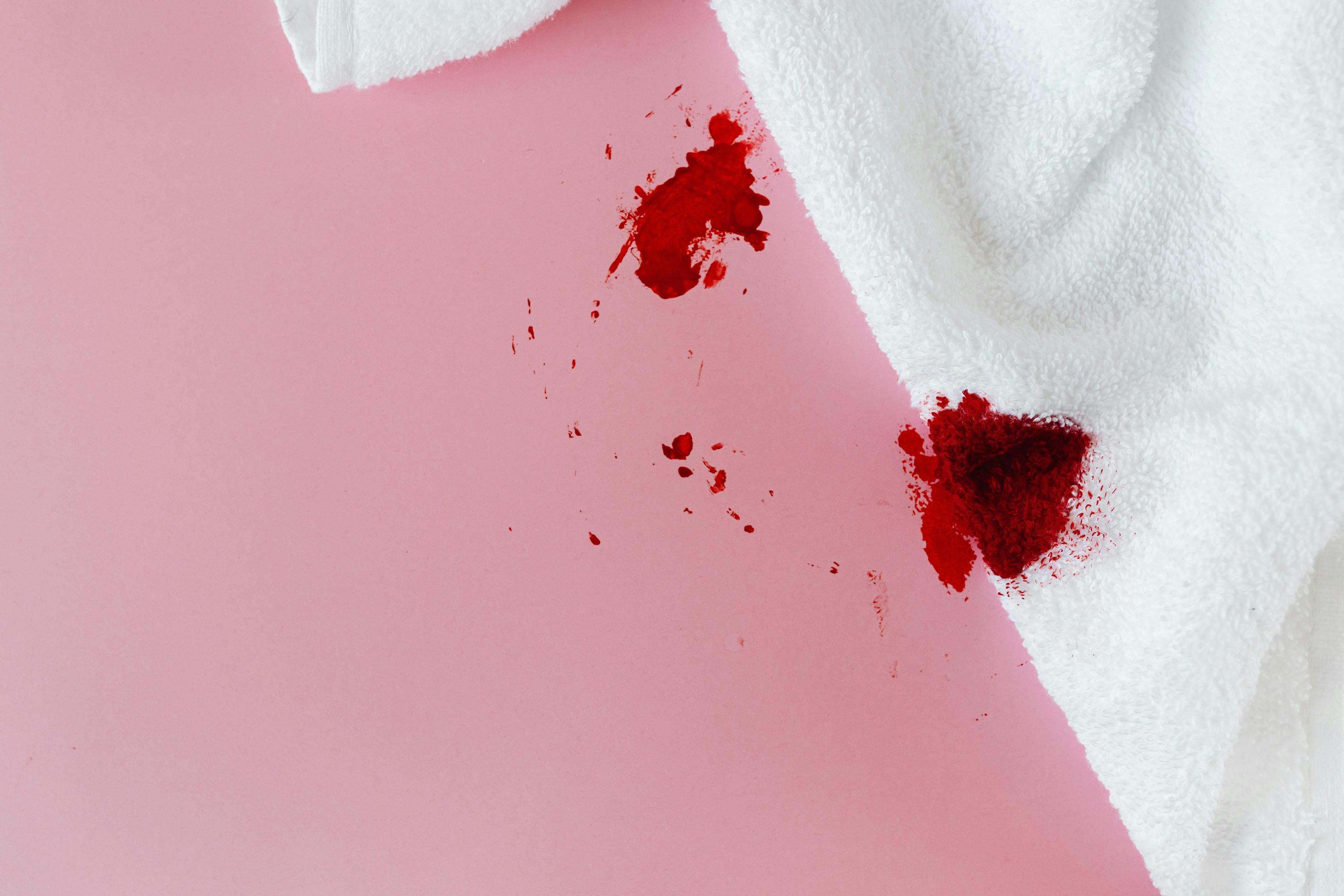
Menstrual fluid is a mixture of blood, shed uterine lining tissue, cervical mucus, and vaginal secretions, and the proportions shift across the days of a bleed. The first day or two tends to be heavier in actual blood; the later days produce more tissue and mucus, which is why colour, consistency, and flow rate change across the course of a period. The dark, almost brown blood that often appears at the beginning or end of a period isn't "old" blood in any worrying sense, it's simply blood that has taken longer to move through the cervix and oxidised along the way.
18. Severe Period Cramps Are Normal
Mild to moderate cramping during menstruation is genuinely normal and it's caused by prostaglandins triggering uterine contractions to help shed the lining, and some discomfort is a predictable byproduct of that process. But severe cramping, like the kind that requires heavy pain medication, keeps people home from work or school, or has been quietly endured for years because everyone said this was just how periods felt, is not a baseline experience that should be accepted without investigation.
Endometriosis alone affects an estimated 1 in 10 people who menstruate worldwide, and severe dysmenorrhea (the clinical term for painful periods) is one of its most consistent symptoms. Despite this, the average time from onset of symptoms to diagnosis of endometriosis is still somewhere between seven and twelve years in most countries, a delay driven almost entirely by the cultural normalisation of period pain. People don't seek help because they've been told this is normal. Clinicians sometimes don't investigate because they've been trained in a system that has historically undertreated pain in female patients.
19. PMS (Premenstrual Syndrome) Is "Just Moodiness"
Premenstrual syndrome is a recognised medical condition involving physical, psychological, and behavioural symptoms that occur in the luteal phase of the cycle, which is the one to two weeks before menstruation begins and resolve within a few days of bleeding starting. The symptom list is long and varies significantly between individuals, and includes bloating, breast tenderness, headaches, fatigue, disrupted sleep, food cravings, anxiety, low mood, irritability, difficulty concentrating, and joint or muscle pain.
At the more severe end of the spectrum sits PMDD; premenstrual dysphoric disorder, which is classified in the DSM-5 as a depressive disorder. PMDD involves severe depression, anxiety, and mood dysregulation in the luteal phase significant enough to interfere substantially with daily functioning, relationships, and work. It affects an estimated 3 to 8 percent of menstruating people. It is frequently misdiagnosed as generalised depression or bipolar disorder because clinicians miss the cyclical pattern.
Read: Understanding Menstrual Cycle Mood Changes
20. Birth Control Fixes Your Cycle
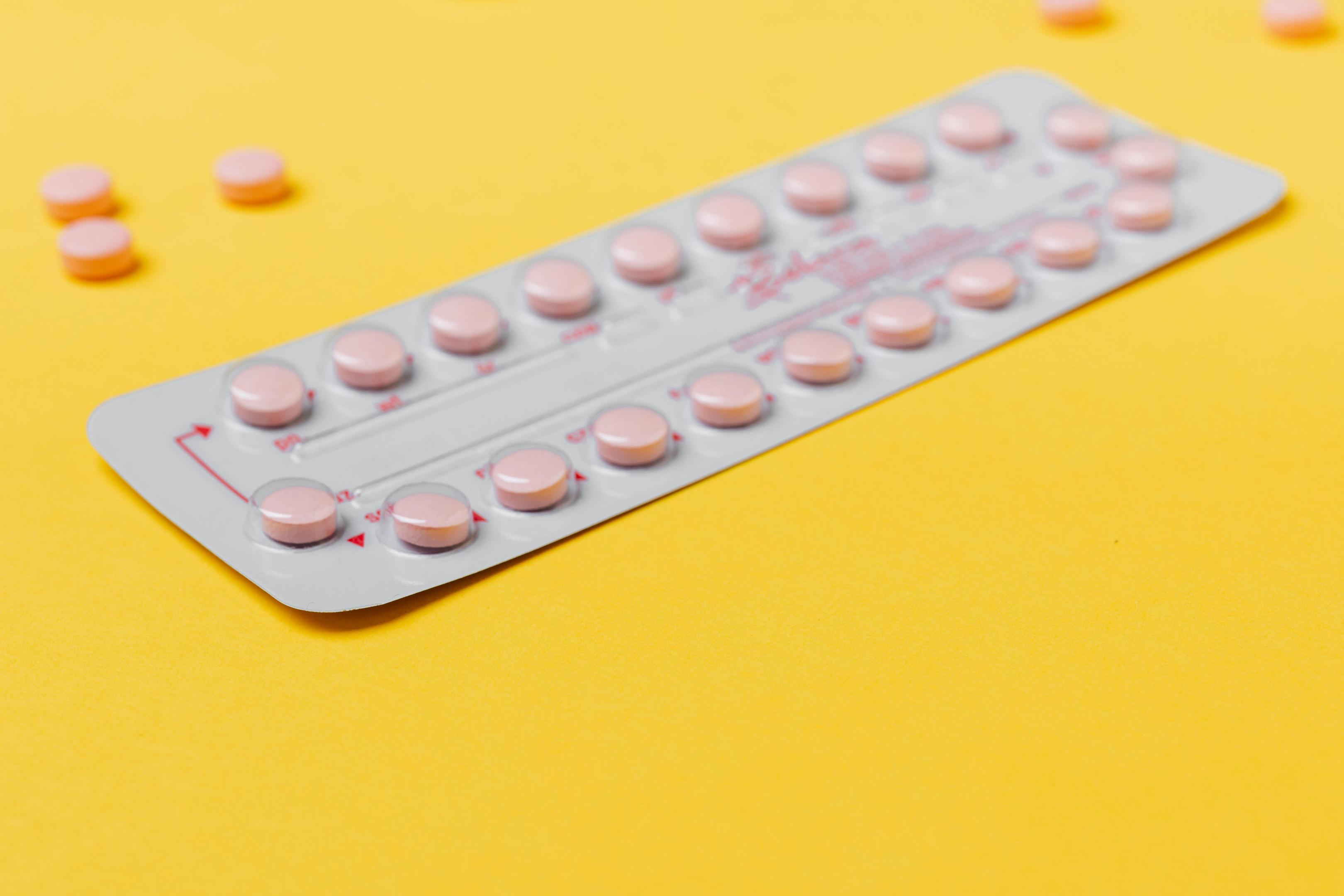
Hormonal contraceptives can absolutely regulate bleeding patterns. They can reduce flow, eliminate cramps, create predictable withdrawal bleeds, and in some cases stop menstruation altogether. For people whose primary goal is managing the experience of their period, this can be genuinely life-improving. None of that is in dispute.
What hormonal contraceptives don't do is address the underlying causes of cycle irregularity or menstrual symptoms. They work by overriding the body's own hormonal cycle entirely through suppressing ovulation and replacing the natural fluctuation of oestrogen and progesterone with a synthetic version. The symptoms go away because the cycle they were connected to is no longer happening. That's not the same as resolving the condition causing the symptoms.
21. You Lose a Lot of Blood During Your Period
Ask most people how much blood they lose during a period and the estimates tend to run high.
The average menstrual blood loss per cycle is somewhere between 30 and 50 millilitres, roughly two to three tablespoons. The upper end of normal, before heavy bleeding begins, is about 80ml, which is still only around five tablespoons across an entire cycle of several days. For reference, a standard blood donation is 450ml. The body replaces normal menstrual blood loss without any particular effort.
Product & Hygiene Myths
22. Menstrual Cups Are Dangerous
The menstrual cup has been available since the 1930s and the first patent was filed in 1932 by American actress Leona Chalmers, who marketed it as a reusable, practical alternative to disposable products and was largely ignored for decades. The modern cup renaissance began in the early 2000s and has been accompanied, fairly consistently, by a set of fears that don't hold up especially well to scrutiny.
The concerns tend to cluster around a few specific claims, such as that cups dislodge IUDs, that they cause toxic shock syndrome, that they're difficult or painful to insert, and that they somehow interfere with the pelvic floor or internal anatomy in ways that disposable products don't.
The cup isn't for everyone. But "dangerous" isn't the reason not to use onem, and the persistence of that framing has kept a genuinely practical, sustainable, and cost-effective option off the table for people who might otherwise benefit from it.
Read: The 7 Best Sustainable Period Products for a Waste-Free Cycle
23. You Need to Wash Constantly During Your Period
Somewhere between genuine hygiene advice and cultural anxiety about menstrual odour, a myth took hold that periods require aggressive, frequent cleaning and multiple daily washes, specialised products, douching, scented wipes, and a general approach to the vulva and vagina that treats them as a contamination zone requiring constant management.
The vagina is self-cleaning. The vaginal environment is maintained by a carefully balanced microbiome dominated by Lactobacillus bacteria, which produce lactic acid to keep the pH between 3.8 and 4.5, creating conditions hostile to the pathogens that cause infection. Disrupting that environment through over-washing, soap inside the vaginal canal, scented products, or douching doesn't improve hygiene. It removes the biological infrastructure that maintains it.
During menstruation, external washing with warm water once or twice daily is entirely sufficient for most people. The vagina handles the internal environment independently.
24. Tampons or Cups Affect Virginity
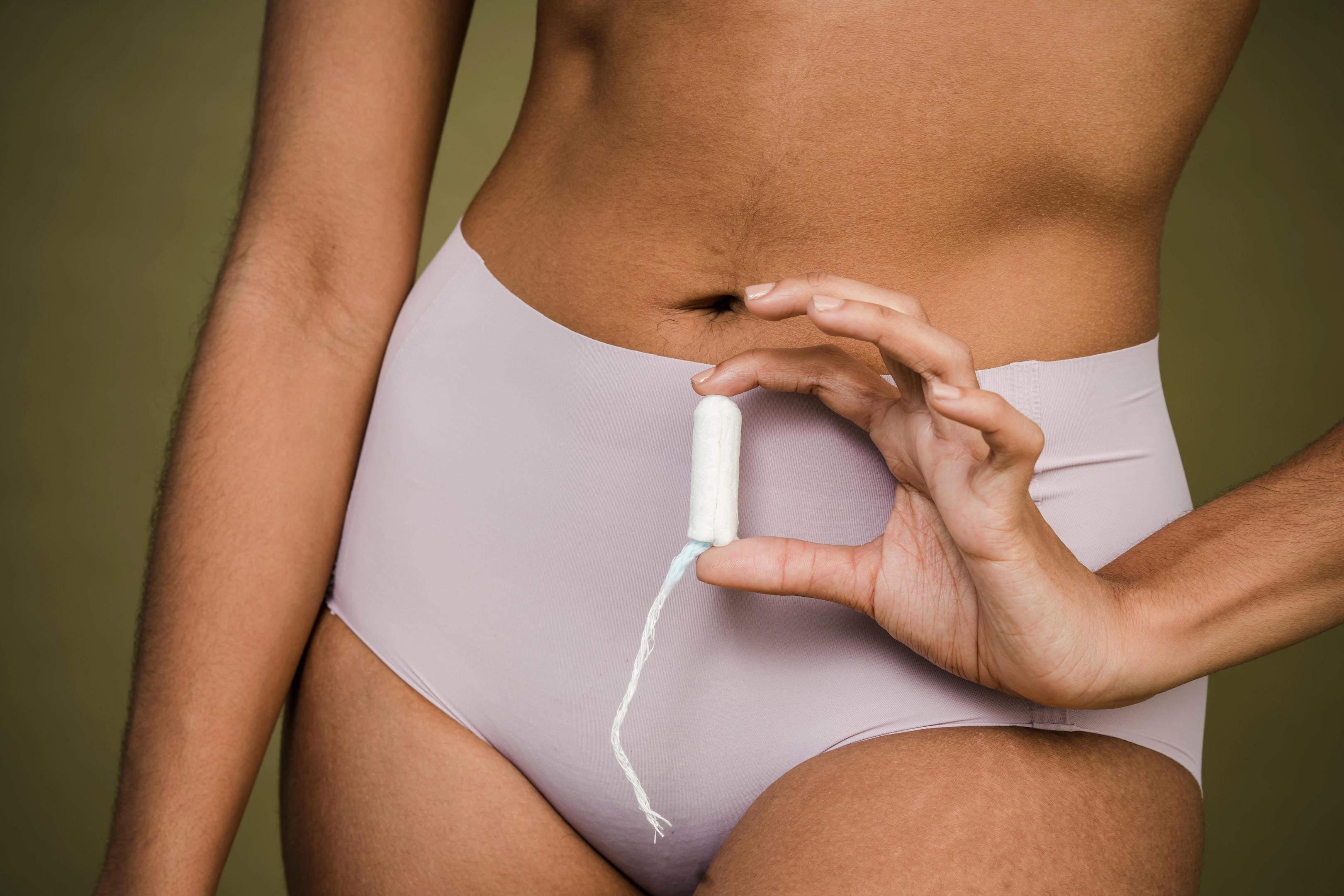
This myth requires dismantling two things simultaneously: the medical claim, which is straightforwardly false, and the concept it rests on, which was always more cultural fiction than biological fact.
The medical part first. Tampons and menstrual cups are inserted into the vaginal canal and may stretch or alter the hymen, which is a thin, partial membrane at the vaginal opening that varies enormously in shape, size, and thickness between individuals. Some people are born with very little hymenal tissue. Some hymens are more elastic and accommodate insertion without tearing. Some tear partially during non-sexual activities including sport, cycling, or tampon use.
The concept of virginity as something located in the hymen is a social and historically patriarchal idea, built on the idea that female sexual history is a physical property that can be verified by examining tissue. Gynaecologists have been consistent on this point for decades: there is no examination that can reliably determine whether someone has had penetrative sex. The hymen is not an indicator of sexual history. It never was.
Psychological & Social Myths
25. Menstruating Women With Period Symptoms Are Irrational
The idea that menstruation compromises rational thought and reliable judgement has been used to argue against women in medicine, law, politics, and leadership for centuries. In the 19th century it was deployed with particular efficiency against the suffrage movement. The argument, made by actual physicians in actual medical journals, was that the cyclical hormonal demands of the female body made sustained intellectual work dangerous to health and reliable political judgement impossible. Menstruation was evidence of constitutional unsuitability for public life.
Studies on cognitive performance across the menstrual cycle have found no consistent evidence of impaired reasoning, decision-making, or intellectual capacity during menstruation. A comprehensive 2017 study published in Frontiers in Behavioral Neuroscience tracked women across two full menstrual cycles on a battery of cognitive tasks and found no meaningful fluctuation linked to cycle phase. The brain does not become less reliable when the uterus sheds its lining.
26. Your Emotions Aren't Valid During Your Period
Hormonal fluctuations across the menstrual cycle are real and measurable. Oestrogen and progesterone influence serotonin, dopamine, and GABA activity, which is the primary neurotransmitter systems involved in mood, anxiety, and emotional regulation. In the late luteal phase, when progesterone drops sharply, many people experience heightened emotional reactivity, lower stress tolerance, and a reduced capacity to suppress or reframe difficult feelings.
The myth is that because these feelings have a hormonal component, they don't count. This framing has two problems. The first is that it isn't scientifically coherent as all emotions have neurochemical components. Happiness involves dopamine and serotonin. Grief involves cortisol and prolactin. Nobody suggests that the sadness you feel at a funeral is invalid because it has a hormonal basis. The second is that the luteal phase sometimes produces a kind of emotional clarity and brings a reduced tolerance for things that don't serve you. Dismissing it as hormonal noise means dismissing some of the most direct signals the body produces.
27. Periods Shouldn't Interfere With Your Life
There is a myth that a capable, resilient woman simply gets on with it, and that needing to slow down, rest, or ask for a day off is a personal weakness rather than a completely reasonable response to what the body is actually doing.
Some countries have had enough of this particular myth. Japan introduced legal menstrual leave in 1947. Spain became the first European country to introduce paid menstrual leave in 2023.
The body is asking, sometimes, for a day. The idea that this is too much to ask has been running for centuries. It can stop now.