15 Ways to Reduce Period Cramps Naturally
Table of Contents
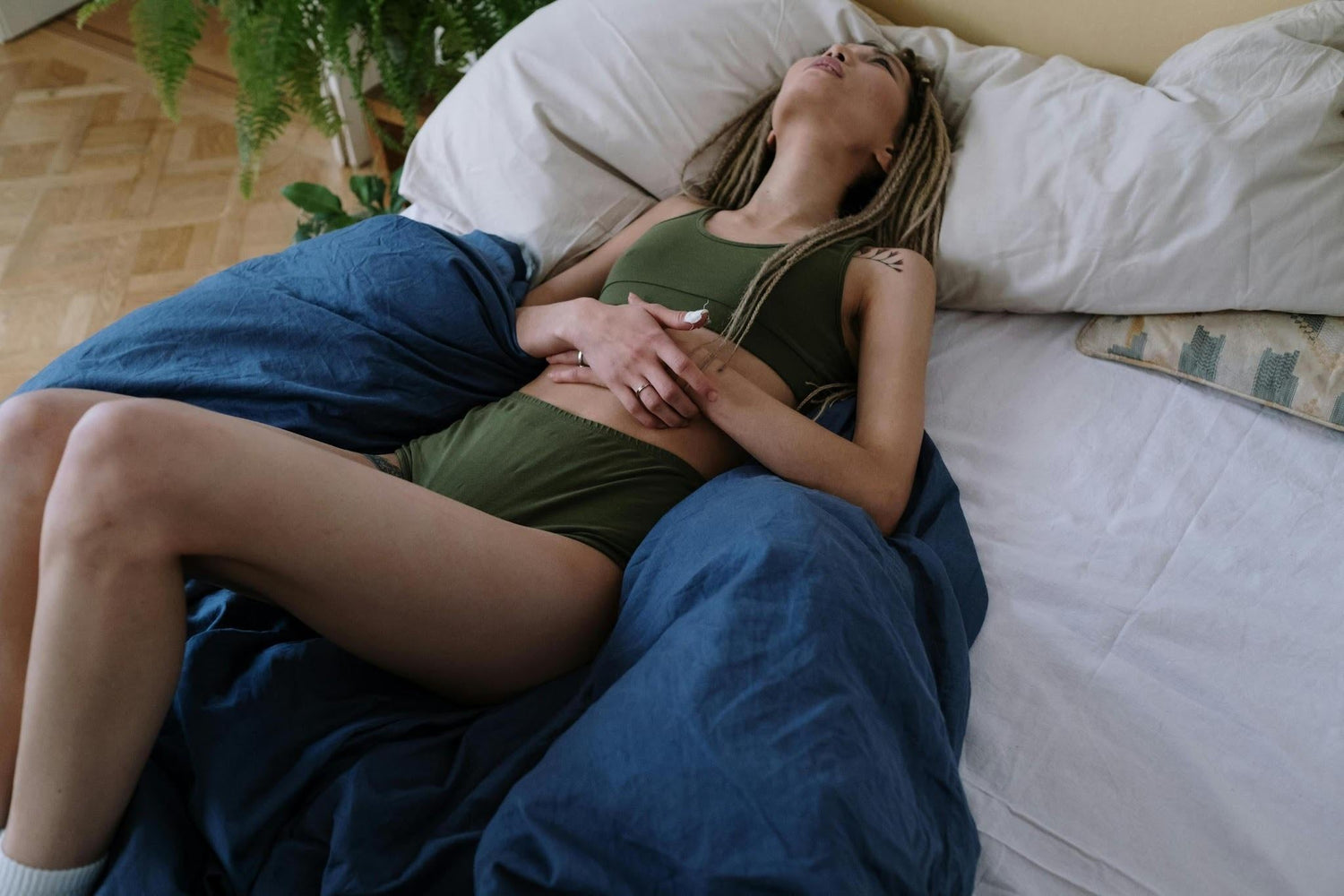
Since I first started bleeding, I’ve had debilitating period cramps.
I’ve had months where I’ve had to book time off work and spend up to two days in bed because moving or even sitting upright felt like too much.
Around 20–30% of women experience moderate to severe period pain, with a significant portion dealing with symptoms intense enough to interfere with daily life.
Over time, I started noticing patterns, where certain things made my cramps worse. Other things, when done consistently, actually reduced the intensity of the pain.
In this article, I’m sharing 15 ways to reduce period cramps naturally as practical approaches that work with your body, sothat you can start ditching the painkillers.
1. Heat Therapy For Menstrual Cramps
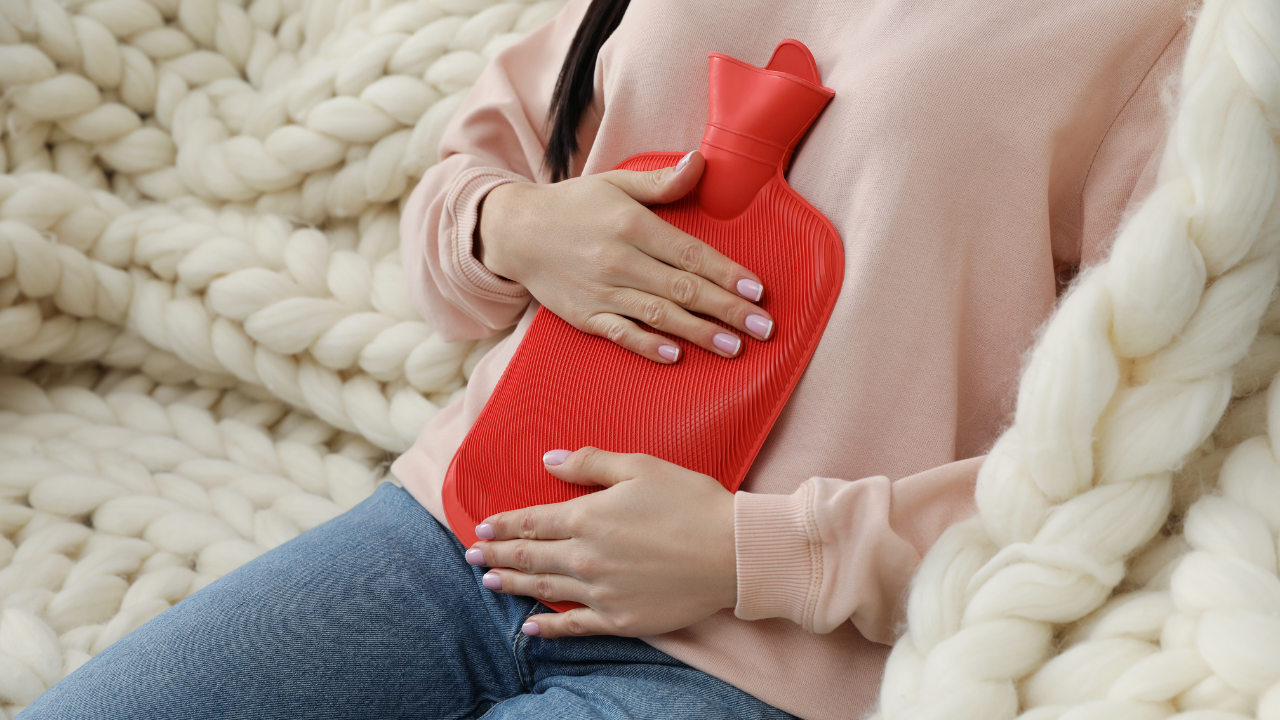
Heat is one of the most well-researched natural remedies for severe cramps and also one of the most underrated. Applying a heating pad or hot water bottle directly to your lower abdomen helps relax the uterine muscles mid-contraction and reduces the intensity of cramping pain. A study found that continuous low-level heat was as effective as ibuprofen for relieving menstrual pain without the side effects on your gut lining.
Heat activates thermoreceptors in the skin that directly inhibit pain signals, essentially interrupting the cramping cycle at the nerve level. Use it for 15–20 minutes at a time, as often as you need. A microwavable wheat bag also works just as well as a heating pad.
2. Take a Warm Bath For Menstrual Pain
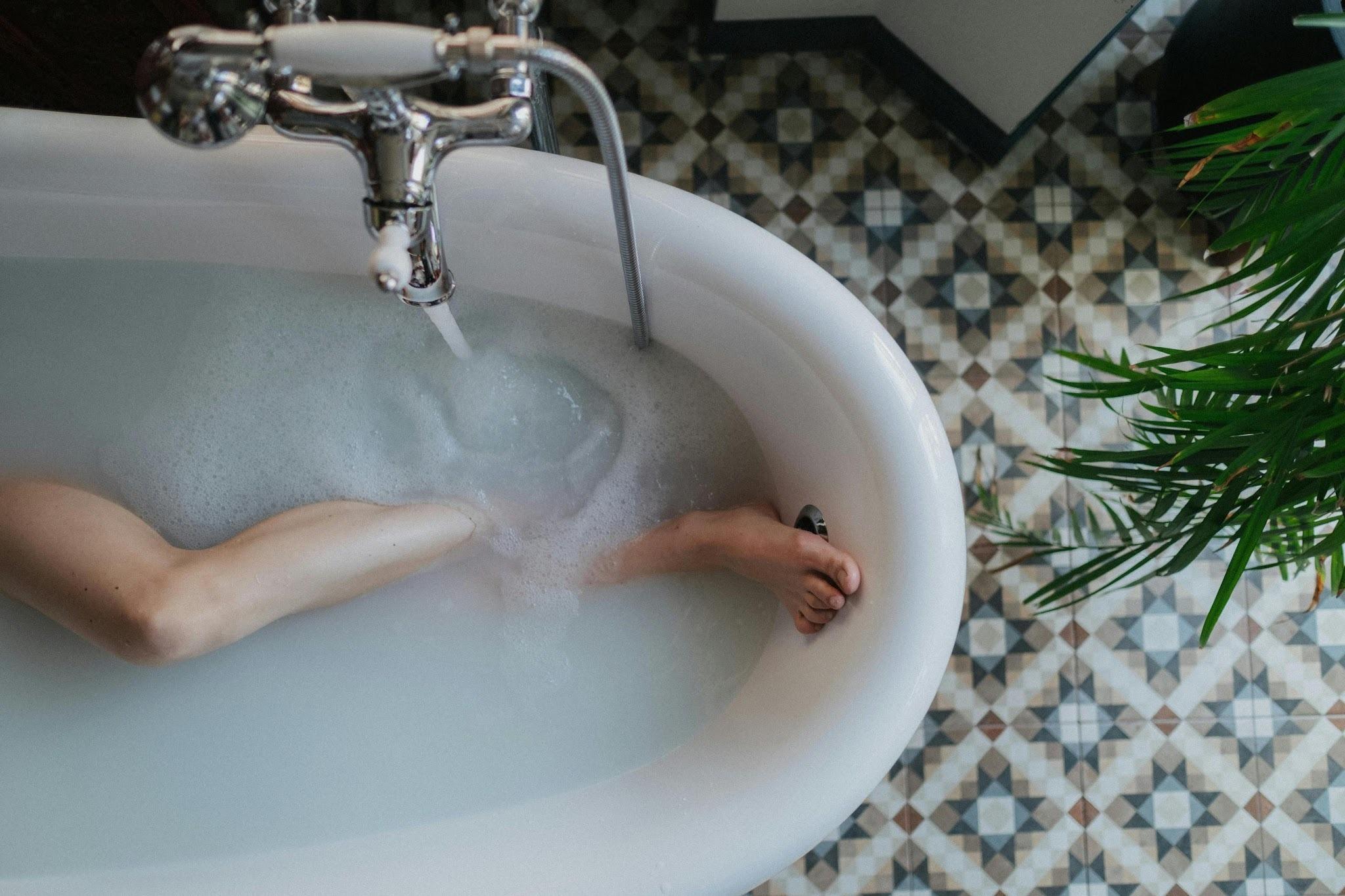
A warm bath works on a larger scale than a heating pad. Heat from water relaxes the uterus and the surrounding pelvic muscles, easing the full-body tension that tends to build around painful periods. Warm water immersion triggers the parasympathetic nervous system, the branch responsible for rest and recovery, which lowers cortisol and dulls pain perception across the body. Research has also shown that soaking in warm water increases peripheral blood flow, which helps clear the prostaglandins responsible for cramping faster.
Add Epsom salts if you have them, as magnesium is absorbed transdermally and has been shown to reduce uterine muscle spasms. Keep the water genuinely warm and give yourself at least 20 minutes to soak in the water.
3. Move Your Body To Ease Menstrual Symptoms
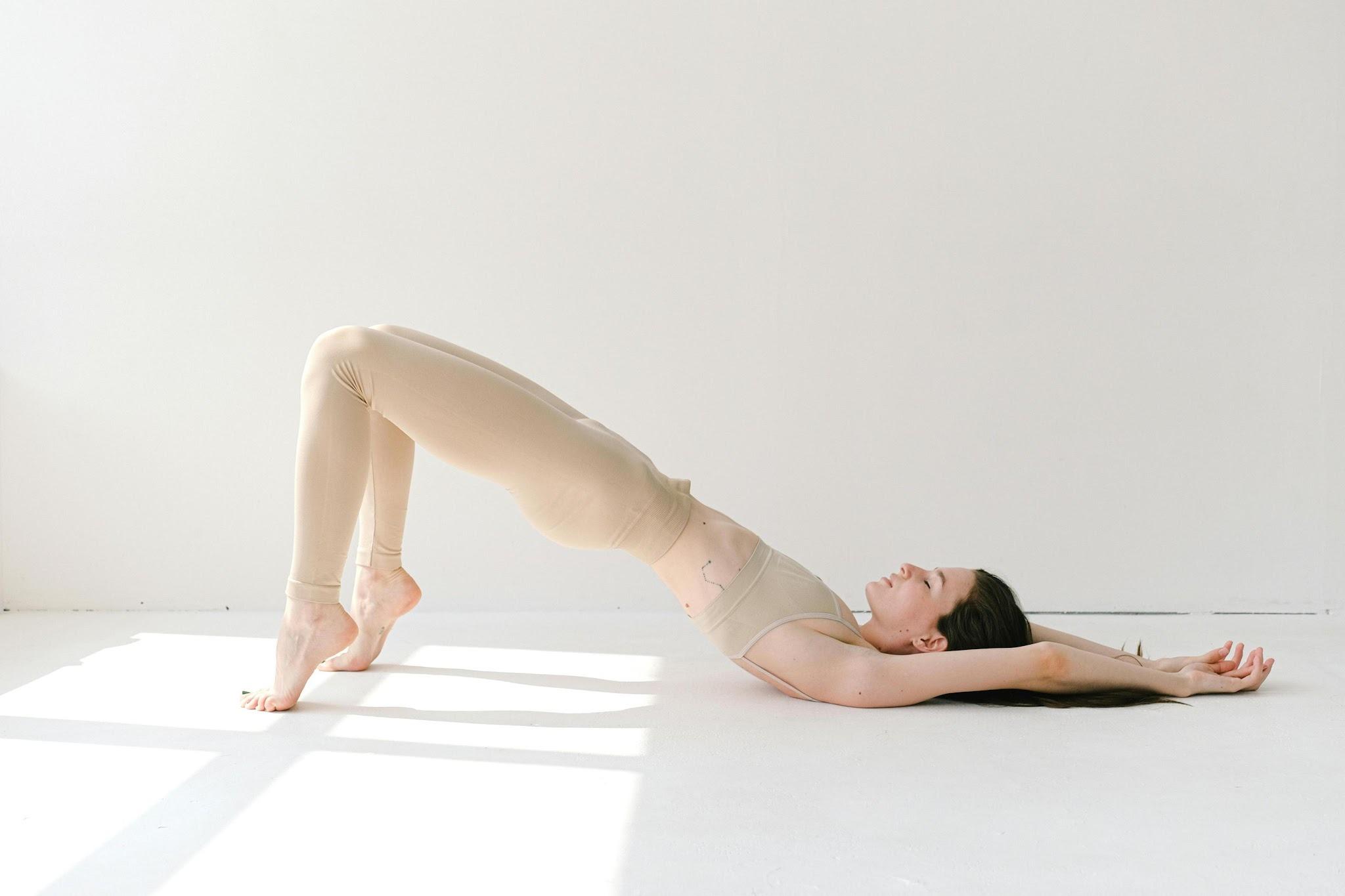
Exercise is probably the last thing you want to hear when you're cramping, but I have come to notice that even light movement makes a measurable difference. Regular exercise can reduce period pain, and this includes low-intensity activities like yoga and walking. Movement improves circulation to the pelvic area, helping clear prostaglandin buildup, and it triggers an endorphin release that acts as a natural painkiller, the same pathway activated by prescription pain relief.
Regular physical activity in the days leading up to your period also reduces PMS symptoms before they start. You don't need intense workouts, a 20-minute walk or a slow yoga flow is enough to shift the chemistry.
4. Regular Orgasms
Orgasms is one thing that doesn't get enough airtime in period health conversations, but it should. Orgasm triggers rhythmic uterine contractions followed by a full release of tension in the pelvic muscles. This is essentially a reset for the same muscles that have been cramping. It also floods the area with blood flow and releases a cocktail of endorphins and oxytocin that reduce pain perception pretty effectively.
A lot of women report noticeably less cramping when they're sexually active during their period, whether with a partner or solo. If cramps are partly about tension and restricted blood flow, orgasm addresses both at once. It's a genuinely useful tool, and probably the most enjoyable item on this list.
Read: Period Sex: Why Your Womb Loves It + You Can Too
5. Try Free Bleeding To Ease Menstrual Cramps
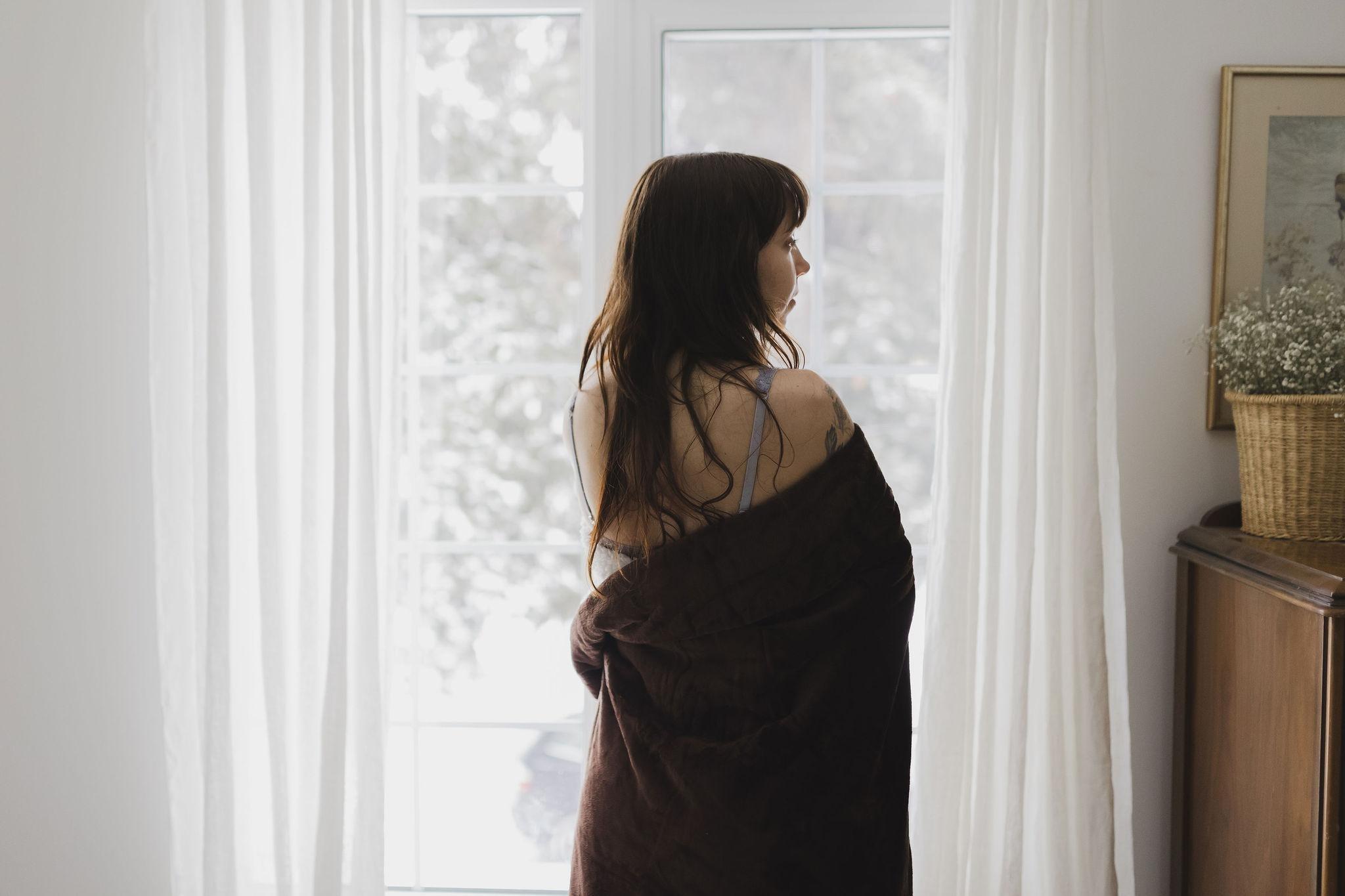
Free bleeding, which means allowing your flow to move without a tampon, cup, or disc blocking it is worth considering if your cramps tend to be intense. The theory is that internal period products can create a degree of resistance to natural flow, which may cause the uterus to contract harder to expel blood. Removing that resistance lets things move more freely, and I have found that my cramps ease up noticeably as a result.
Even swapping to period underwear or pads on your heaviest days gives your body more freedom than an internal product does. It is worth experimenting with if you haven't already, particularly if your cramping tends to peak on the days your flow is heaviest.
6. Reduce Caffeine Intake
Caffeine constricts blood vessels, which is fine most of the time, but counterproductive when your uterus is already dealing with reduced blood flow and muscle tension. High caffeine intake can make period cramps worse, and for some women the difference between a coffee-heavy day and a caffeine-light one is noticeable enough to be worth the trade-off.
You don't necessarily need to quit coffee entirely. Cutting back in the few days before your period starts and during your heaviest days is usually enough to make a difference. If you're someone who runs on multiple coffees a day, swap one or two for something else. I tend to opt for more herbal tea or warm lemon water over coffee when I have my bleed.
7. Drink Herbal Tea
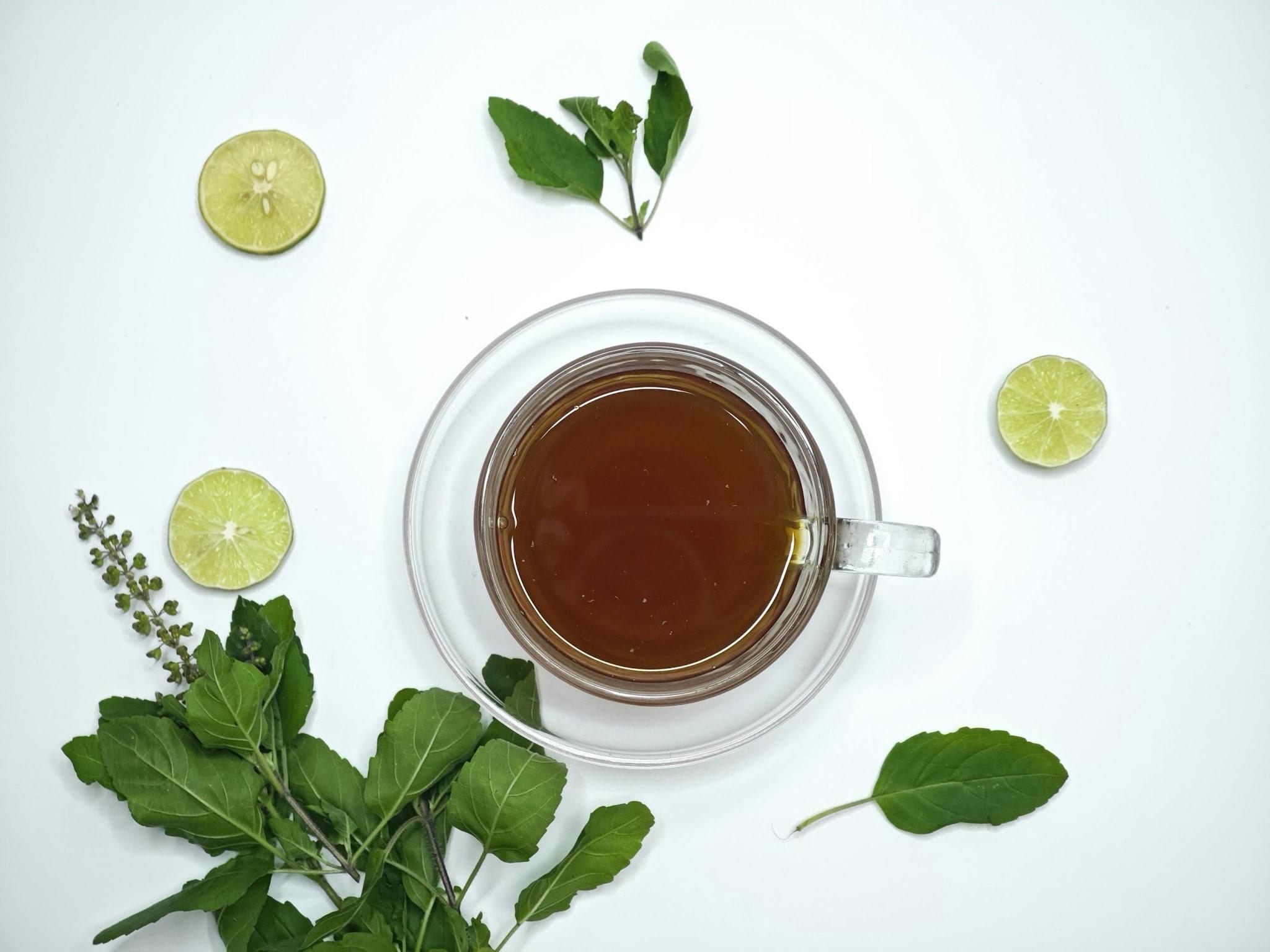
Certain herbal teas have real anti-inflammatory and antispasmodic effects, meaning they actually help reduce the intensity of cramps.
-
Ginger tea – One of the most studied options for menstrual pain. It helps reduce prostaglandin levels and has been shown in some trials to work comparably to ibuprofen for mild to moderate cramps.
-
Chamomile tea – Contains compounds that relax smooth muscle tissue, including the uterus. It also has a mild calming effect on the nervous system, which can take the edge off pain.
-
Peppermint tea – Acts as a natural antispasmodic, helping reduce muscle contractions. It’s also useful if you’re dealing with bloating or nausea alongside cramps.
-
Fennel tea – Traditionally used for menstrual pain, fennel has been shown in some studies to reduce the severity of cramps by relaxing uterine contractions.
-
Cinnamon tea – Has anti-inflammatory properties and may help reduce both pain and heavy bleeding by improving circulation.
8. Clean Up Your Diet, Especially Around Your Period
What you eat in the week before and during your period has a real impact on how painful cramps can get. I have found that when I eat alot of heavy red meat, and foods high in sugar my cramps are much worse. Avoid foods that cause inflammation, such as processed foods, refined sugar, and vegetable oils and animal fats. These foods lead to higher prostaglandin production, which means more intense cramping.
9. Increase Anti-Inflammatory Foods
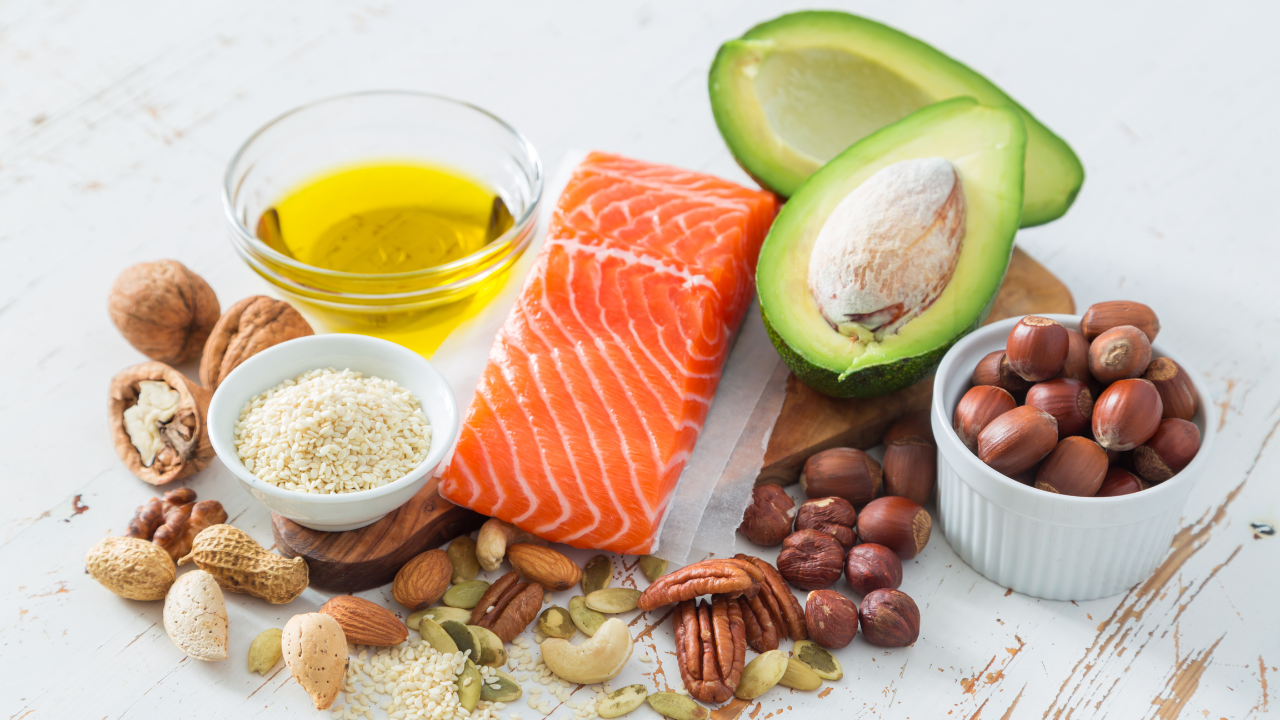
Anti-inflammatory foods go a long way in regulating the internal conditions that make cramps more intense, particularly inflammation and prostaglandin activity.
Here are some of the most effective anti-inflammatory foods to focus on:
-
Fatty fish (salmon, sardines, mackerel) – Rich in omega-3 fatty acids, which help reduce prostaglandin production and lower overall inflammation.
-
Turmeric – Contains curcumin, a compound that works on similar inflammatory pathways as NSAIDs, helping reduce pain and swelling.
-
Berries (blueberries, strawberries, raspberries) – High in antioxidants that help regulate oxidative stress and reduce pain sensitivity.
-
Leafy greens (spinach, kale, Swiss chard) – Packed with magnesium, which helps relax muscle tissue and reduce cramping.
-
Nuts and seeds (walnuts, flaxseeds, chia seeds) – Provide healthy fats and additional omega-3s that support hormone balance and inflammation control.
-
Olive oil – A healthier fat source that contains oleocanthal, a compound with natural anti-inflammatory effects.
-
Dark chocolate (70%+ cocoa) – A surprisingly useful source of magnesium, which can help ease muscle tension and reduce cramps.
There’s also research showing that women who eat more omega-3-rich and whole foods tend to experience less severe intensity of dysmenorrhea over time.
10. Take Vitamin E, Zinc, & Magnesium
Vitamin E helps regulate prostaglandins (again, the main driver of cramps) and reduces oxidative stress, which is basically the background “irritation” level in your system. Lower that, and pain tends to land softer.
Some clinical studies have shown that taking vitamin E can reduce period cramping and heavy bleeding.
Magnesium helps relax muscle tissue, including the uterus. Vitamin B1 has been shown in some studies to significantly reduce menstrual pain. Zinc plays a role in modulating inflammation and hormone balance.
11. Massage the Lower Abdomen
This one’s simple, but surprisingly effective. When your uterus is cramping, everything around it tends to tighten as well, including the abdominal muscles, pelvic floor, even your breath. It becomes this loop of tension feeding more tension.
Gentle massage interrupts that. By using light, circular pressure on the lower abdomen helps relax the surrounding muscles and improves blood flow to the area. This matters because cramps are partly a result of reduced oxygen getting to the tissue.
There’s actual research showing that women who do abdominal massage during their period report less pain, especially when it’s done consistently. Some studies even found that adding essential oils like lavender increased the effect, likely because it also calms the nervous system.
12. Stay Hydrated
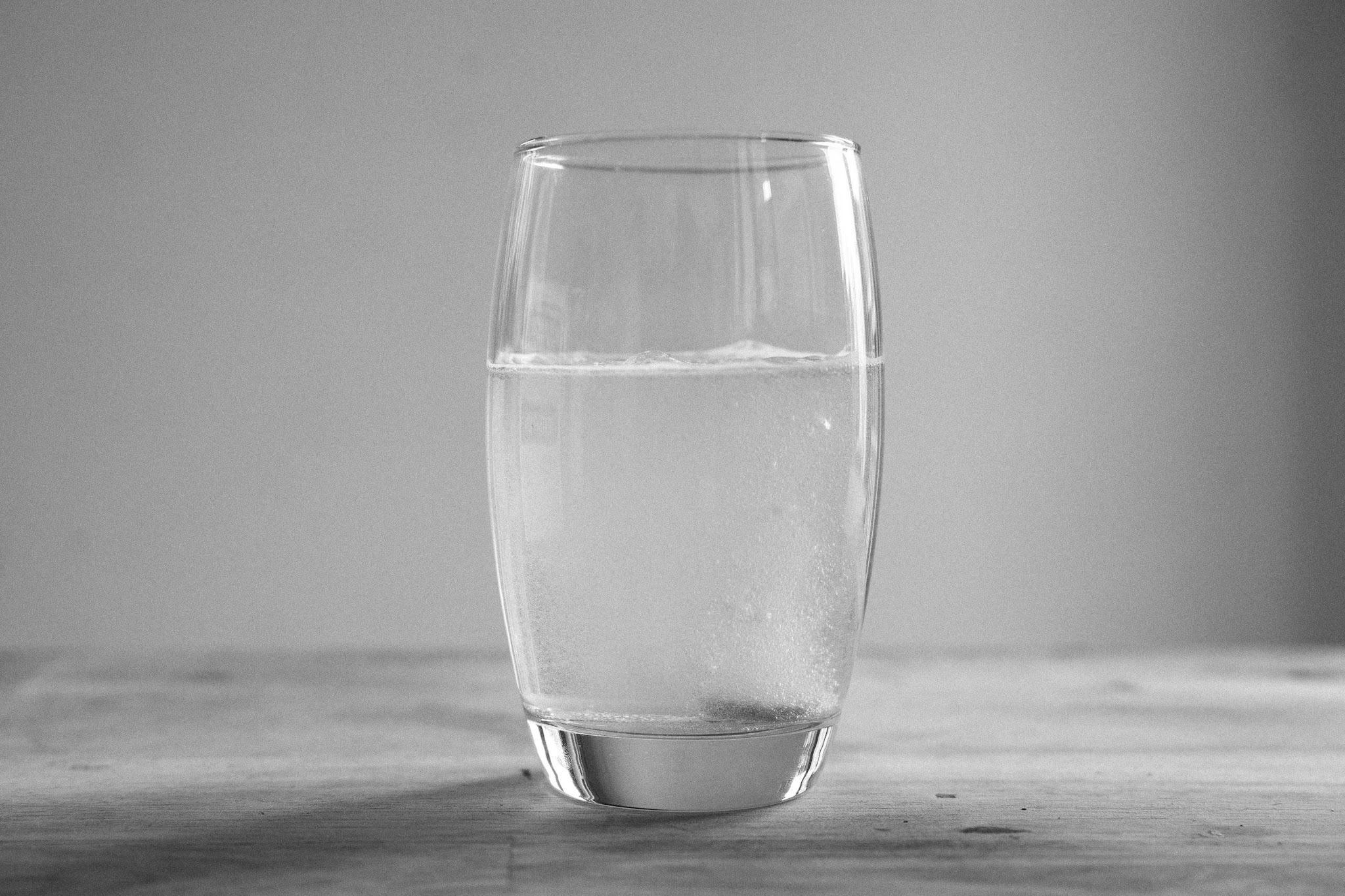
Hydration has a direct effect on how your body experiences cramps.
When you’re even slightly dehydrated, your blood volume decreases. Circulation becomes less efficient, which is a problem during your period because uterine contractions are already restricting blood flow to the tissue. That reduced flow means less oxygen reaching the muscle, and that’s one of the key reasons cramps feel sharp and intense rather than just uncomfortable.
Drinking enough water supports circulation, improves oxygen delivery to the uterus, and allows the muscle tissue to relax more easily instead of staying in a prolonged, irritated contraction.
There’s also the issue of bloating. When your body is dehydrated, it tends to hold onto fluid as a protective mechanism. That can make your lower abdomen feel swollen and more sensitive during your period. Staying properly hydrated helps regulate that fluid balance so you’re not dealing with both cramping and pressure at the same time.
A good indicator is urine colour. If it’s consistently dark, you’re behind on hydration. Aim to drink enough water so that your urine becomes light and steady, especially in the days leading up to your period, as this gives your body a better chance of handling the stress of those contractions.
13. Rule Out Underlying Conditions
Most menstrual cramps are caused by prostaglandins. That kind of pain, while uncomfortable, tends to follow a predictable pattern and responds to the kinds of changes outlined in this article.
But when pain starts to behave differently, it’s worth paying attention.
If cramps are becoming more intense over time, showing up earlier in your cycle, lingering after your period ends, or shifting from a dull, heavy ache to something sharp and localised, it can point to a different underlying cause. The same applies if the pain is paired with unusually heavy bleeding, large clots, or discomfort during sex.
Conditions like endometriosis, uterine fibroids, ovarian cysts, or pelvic inflammatory disease can all present as “bad period pain,” but they operate on a different level. They involve structural or inflammatory changes in the body that don’t resolve through lifestyle adjustments alone.
The goal is to rule it out properly so you’re not trying to manage symptoms without understanding their cause.
14. Slow Down & Relax Your Nervous System

Cramps are also influenced by your nervous system. When your body is in a constant state of stress or stimulation, it stays slightly “switched on.” Muscle tension increases and it becomes harder for your body to relax out of those uterine contractions. In that state, cramps tend to feel sharper and more draining.
During your period, your body is already under strain. Adding stress on top of that makes everything feel amplified.
This is also why so many women instinctively want to lie down when cramps hit. I’ve noticed that personally, when my cramps are at their worst, all I want is to get into bed and be still. And when I actually listen to that the intensity often eases. My body softens and the pain becomes more manageable.
When I ignore it and try to push through, it usually backfires. The cramps feel more intense and take more out of me.
Resting helps shift your body into a parasympathetic state. In that state, muscles relax more easily and your body is better able to handle the inflammatory processes driving the cramps.
Sometimes the most effective thing you can do is lie down, breathe, and let your body do what it’s trying to do.
15. Use Your Cramps as a Point of Inquiry
Not every cramp carries emotional meaning, and period pain should never be used to dismiss legitimate medical concerns. But for some women, the menstrual cycle can also become a moment of deeper self-listening.
Your bleed is often the one time each month where your body becomes impossible to ignore. Emotions that were easy to suppress can suddenly feel much closer to the surface.
Sometimes cramps are simply physiological. Sometimes they may also be amplified by stress, resentment, emotional holding, chronic overgiving, unmet needs, or a life rhythm that asks your body to keep pushing when it wants softness.
If you notice your cramps worsening during certain seasons of life, it may be worth asking:
-
Where am I overriding my own needs?
-
What tension am I carrying that never gets expressed?
-
Where am I saying yes when I mean no?
-
What feels emotionally congested in my relationships?
-
What part of me is asking for attention?
-
If my body could speak through this discomfort, what might it be trying to say?
Conclusion
Period cramps are often your body’s way of saying slow down.
They’re your body asking less pressure and more support. And while it’s easy to try override that and carry on as normal, that’s often the most counterproductive thing you can do. Pushing through tends to amplify pain and drag the whole experience out.
Listening to your body means choosing a few of the approaches that make sense for you and actually giving your body what it needs in that moment.
Because when you support the underlying processes driving the pain, the experience of your period changes and stops being something you dread each month.
And ultimately, this leads to a cycle that feels a lot more manageable.