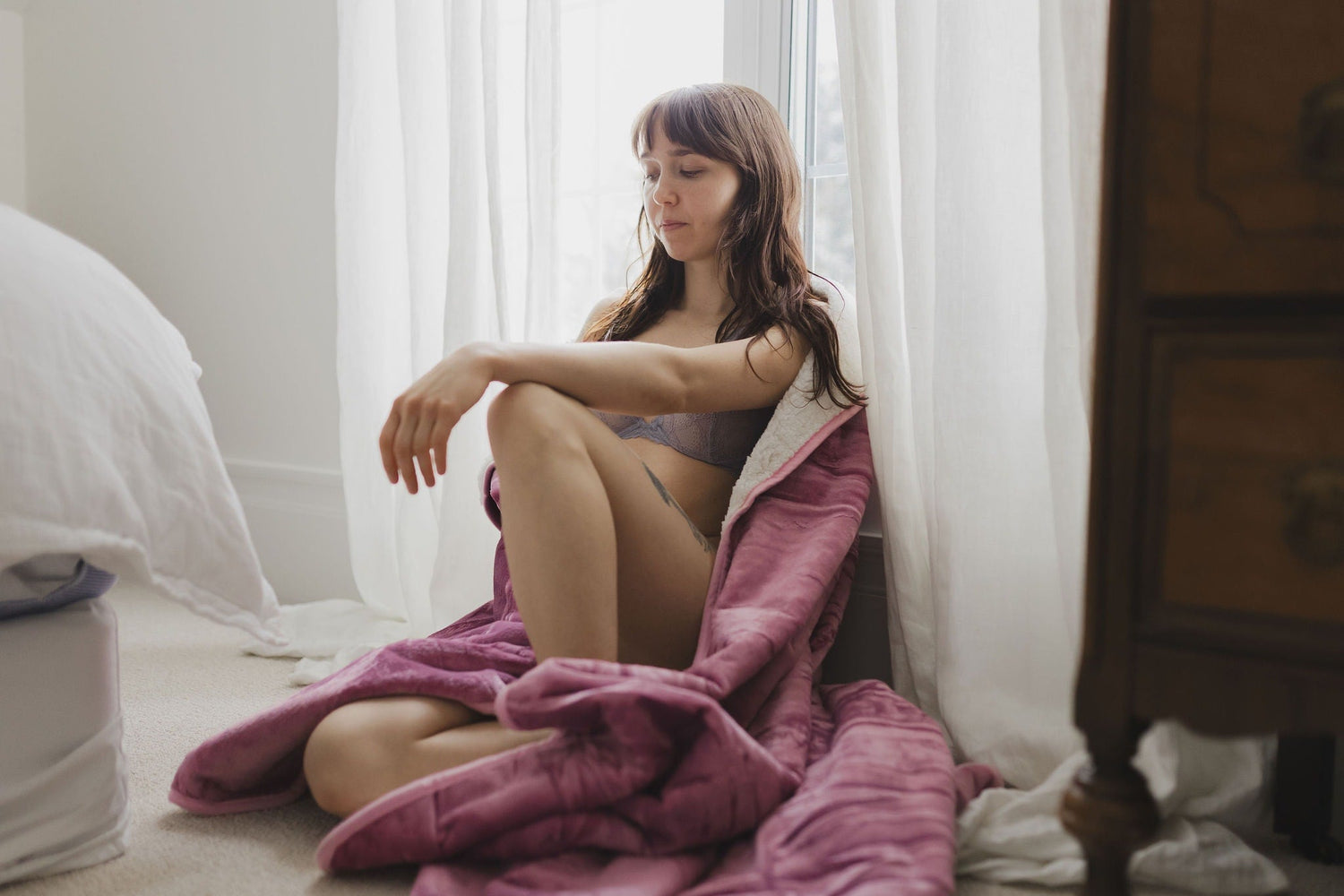
Period Tips for Rest, Stillness, & Honoring Your Menstrual Cycle
Table of Contents
Most period advice I have ever received has missed the point entirely. It focuses on how to manage your period so you can carry on performing at full capacity, and it tells you how to still crush your demanding job and look put-together while your body is quietly asking something completely different of you.
But your period is not something to power through. It is a biological phase in which your body is literally designed to slow down, turn inward, and tend to itself. When you bleed, your hormones drop, your uterus sheds its lining, and your entire system redirects its energy toward rest and renewal.
Conscious menstruation involves giving yourself the guiltless, wholehearted permission to rest, to be still, and to prioritise comfort over productivity. You do not owe anyone peak performance while you are bleeding.
What follows are real practices for honouring what your body needs during menstruation.
Understanding Your Period & the Menstrual Cycle
Your menstrual cycle is roughly 28 days, though anywhere from 21 to 35 days is completely normal. It moves through four distinct phases, which includes the follicular phase, ovulation, the luteal phase, and menstruation, and each has its own hormonal landscape, emotional quality, and physical needs.
After your bleed, estrogen rises during the follicular phase as your body prepares to ovulate. Energy and mood tend to lift with it like a sense of spring returning. Around mid-cycle, ovulation occurs and estrogen peaks. This is when you are most fertile, and many women feel their most social, outward, and radiant.
Then comes the luteal phase, where progesterone rises to prepare the uterus for possible pregnancy. Energy begins to drop and the body starts drawing inward again. If no pregnancy occurs, hormone levels fall, the uterine lining sheds, and your bleed begins.
During menstruation, estrogen and progesterone are at their lowest. Your body is conserving energy for the profound work of renewal happening within.
Permission to Slow Down
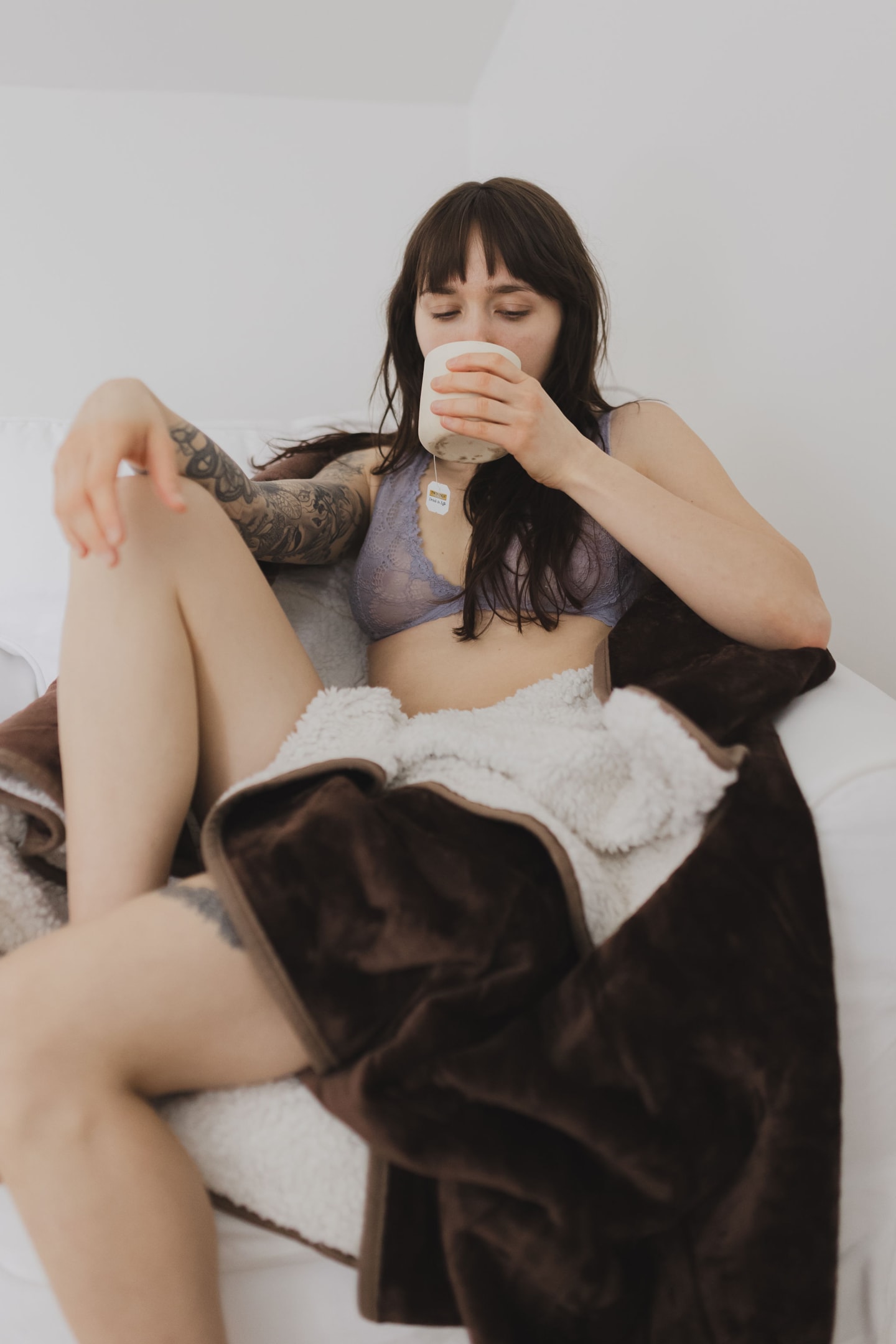
When your period begins, estrogen and progesterone drop, and your entire nervous system shifts into rest-and-digest mode, which is the state where your body focuses on healing, repair, and deep renewal rather than output and performance. The exhaustion you feel during your bleed is real, and it is purposeful. Shedding your uterine lining takes significant energy.
Dopamine and serotonin dip right along with estrogen, which is why everything feels harder and why concentration is more effortful, why stimulation feels like too much, why even socialising can feel like a genuine drain. This is your body asking, clearly and directly, for a different kind of care.
Clear your calendar where you can. Say no to plans that feel like a drain. Prep easy meals ahead of time, and dim the lights, put your phone on Do Not Disturb, and let some things wait. They will still be there when you return, but you will be renewed, replenished, and more yourself than before.
Read: 10 Period Rituals That Makes Menstruation a Sacred Practice
Period Tip #2: Choose Menstrual Products That Don't Disrupt Your Body
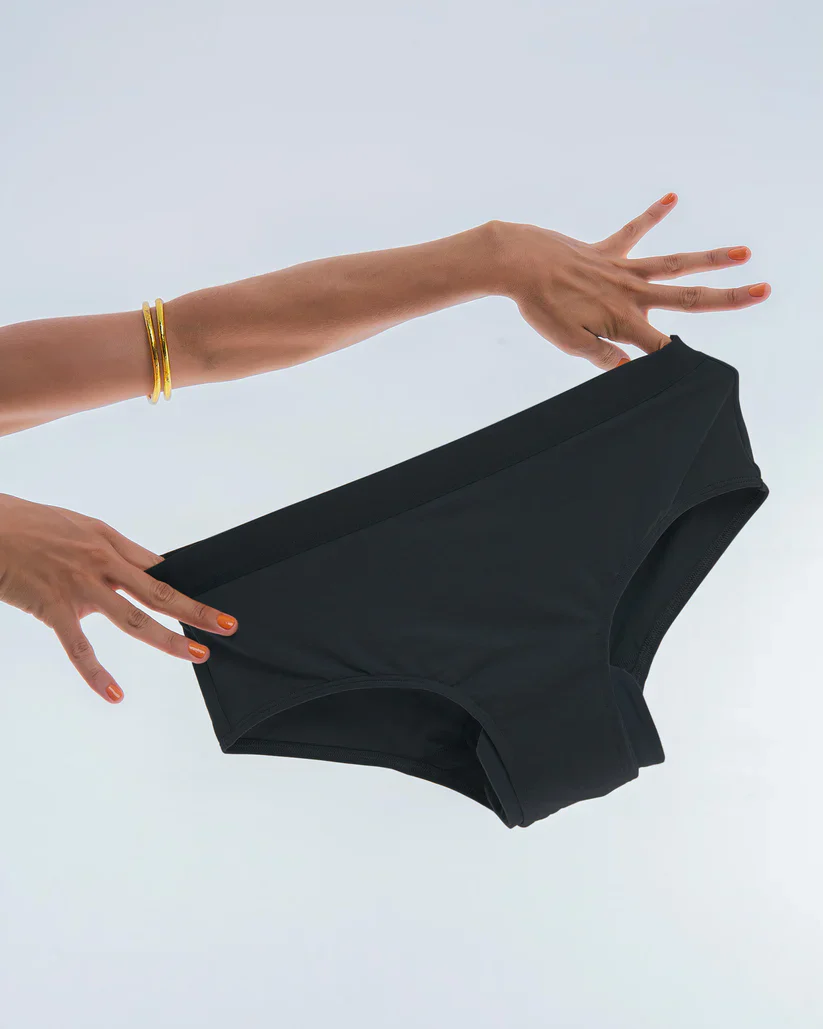
THE KIT by Nookees - Organic Cotton Period Panties
The products we use during menstruation matter more than we have been taught to believe. Tampons absorb blood, but they also absorb cervical mucus and vaginal moisture, drying out delicate tissues and leaving you irritated. Add bleached cotton, synthetic fibres, and artificial fragrances, and you have products that disrupt your vaginal pH and inflame your skin at exactly the time your body is most sensitive.
Disposable pads trap heat and moisture against your vulva for hours, creating conditions for irritation and bacterial imbalance. Convenient, yes. But convenience has trade-offs, and your body deserves better than trade-offs.
Period underwear with absorbent gussets lets your skin breathe while still holding the bleed. You feel the warmth as blood leaves your body, which keeps you present and connected rather than numb and disconnected from what is happening. Reusable cloth pads work in the same way where they allow you to actually see what your body is releasing, which tells you a great deal about your health and your cycle.
Read: Tampon Alternatives You Can Reuse Safely for Years
Period Tip #3: Explore Free Bleeding as a Conscious Practice
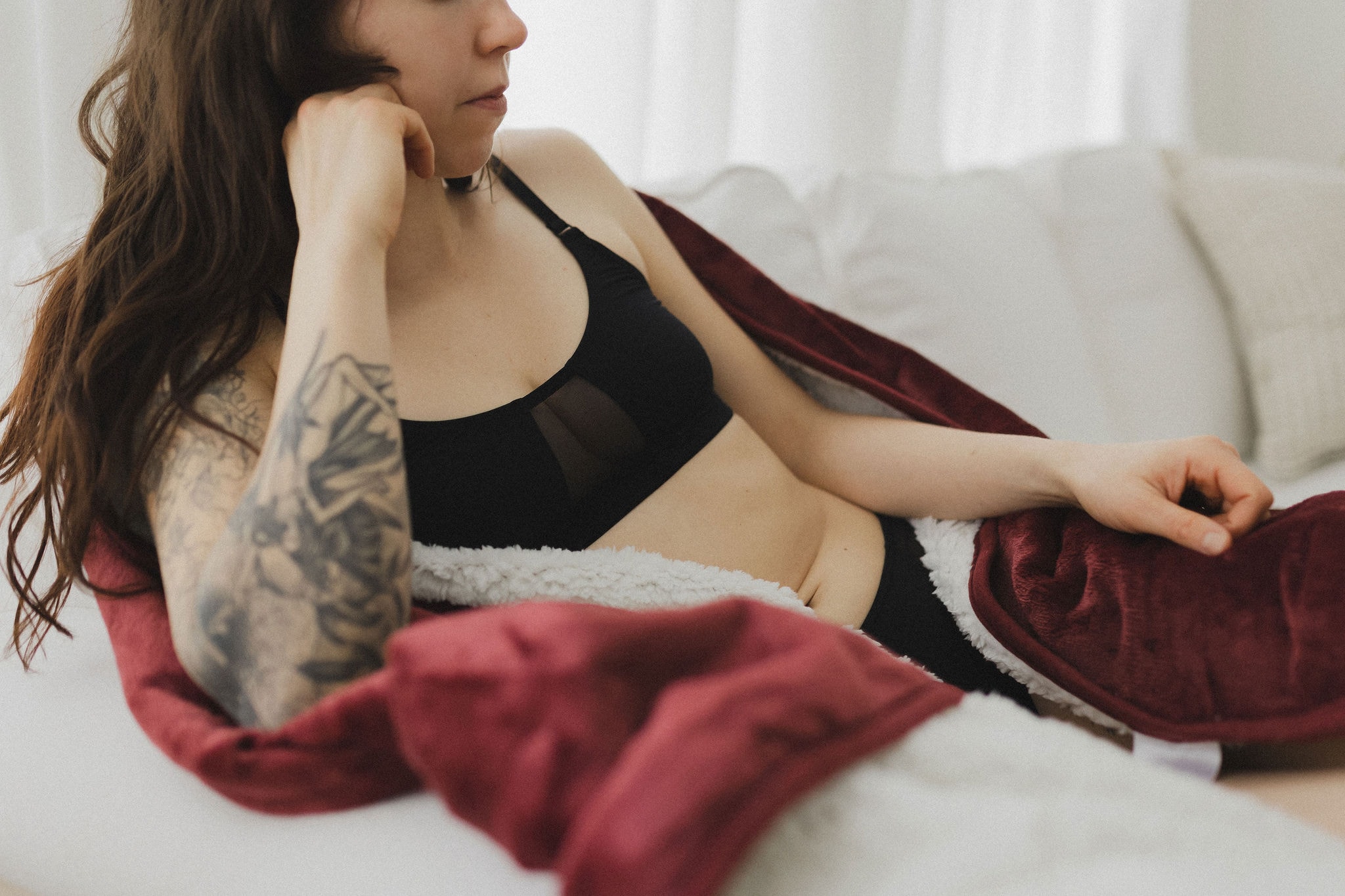
Free bleeding means allowing menstrual blood to leave your body without inserting or constantly wearing something to catch it. You might free bleed in the shower, on a towel or Free Bleed® Blanket while lying down, or in period underwear that absorbs blood but doesn't obstruct flow.
When you free bleed, you begin to notice things you had never noticed before. Blood doesn’t flow constantly, you will see it comes in small, deliberate releases when you change position, stand up, or bear down slightly. You feel the warmth as it leaves your cervix. You sense the wetness as it moves through your vaginal canal. Over time, you begin to anticipate a release before it come and in doing so, you learn to trust your body’s signals in a way that no external product can teach you.
Free bleeding also removes the constant physical presence of something inserted or pressed against you. Tampons and menstrual cups sit in your vaginal canal for hours, which can dull sensation and create low-level tension in your pelvic floor. Pads press against your vulva and restrict airflow. Even short periods of free bleeding offer your body a real rest from that interference and a chance to breathe.
Period Tip #4: Use Heat to Soothe the Body
Heat is one of the oldest and most reliable gifts you can offer your body during menstruation. It works because it increases blood flow to your uterus and pelvic area, and when your uterus contracts to shed its lining, restricted blood flow intensifies pain. Warmth dilates blood vessels, bringing more oxygen to cramping muscles and helping them soften and release. It also calms the nerve signals that carry pain, which is why a heating pad or hot water bottle pressed against your lower abdomen can bring relief within minutes.
Period Tip #5: Support the Body's Physical Needs During Your Bleed
When you menstruate, you lose blood, and with it, iron. If your periods are heavy or last longer than five days, that loss adds up. Iron deficiency often appears as persistent fatigue, brain fog, dizziness when you stand, or feeling cold even in warm rooms. Your body needs iron to make hemoglobin, which carries oxygen to your cells. Without enough, everything slows down.
Eating iron-rich foods during and after your period helps replenish what you've lost. Red meat, organ meats, dark leafy greens, lentils, pumpkin seeds, and blackstrap molasses are good sources. Pair plant-based iron with vitamin C, such as lemon juice on greens, or bell peppers with beans to increase absorption. If you're vegetarian or vegan, pay closer attention to your iron intake throughout your cycle, not just during your bleed.
Period Tip #6: Rest the Pelvis and Lower Abdomen
Your pelvis is doing significant, sacred work during menstruation. Your uterus contracts repeatedly to release its lining. Blood vessels open and close. The muscles of your pelvic floor, hips, and lower back all respond to the hormonal shifts and physical contractions happening in your reproductive organs. The area is inflamed, sensitive, and more vulnerable than at any other point in your cycle. It deserves to be treated accordingly.
Give your pelvis room. Avoid tight waistbands, restrictive clothing, and positions that compress your lower abdomen. Lying down with your knees bent or propped up on pillows takes tension off your pelvic floor and allows your uterus to do its work without fighting against external pressure. This is the body asking to be honoured during one of its most demanding and most meaningful phases.
Read: What to Wear When on Your Period: Fabrics, Fits, and Wardrobe Tips
Period Tip #7: Track Your Cycle to Anticipate Your Needs

Tracking your cycle is one of the most empowering practices available to any woman. It teaches you when to expect shifts in energy, mood, and physical capacity before they arrive. You can use a period tracker app, chart your basal body temperature and cervical mucus using Fertility Awareness Methods, or simply mark your bleed days on a calendar and notice patterns over time.
After a few months of tracking, your rhythm becomes visible to you. You begin to see that you feel most alive and social around ovulation, that your patience naturally narrows in the luteal phase, that day two of your bleed is always the hardest. That knowledge is power. You can schedule demanding meetings or social commitments during the weeks when you have genuine capacity, and protect the days when you know you will need to go inward.
Period Tip #8: Work With Premenstrual Syndrome Instead of Fighting It
PMS is your body’s response to the hormonal drop that follows ovulation. Progesterone rises during the luteal phase to prepare your uterus for possible pregnancy, and when it falls in the days before your period, your nervous system has to recalibrate. That recalibration is felt in the body and in the emotions, sometimes gently, sometimes intensely.
The luteal phase sets the stage for menstruation. When you push hard through those premenstrual days you arrive at your bleed already depleted. PMS intensifies when your adrenal glands are maxed out from managing chronic stress on top of hormonal fluctuations. Tending to yourself in the luteal phase is preparation. And the kinder you are to yourself before the bleed, the more ease you will find once it arrives.
Period Tip #9: Gentle Comfort Practices That Support Menstrual Wellness

Your nervous system needs real help shifting into rest mode during menstruation, especially if you have spent years learning to push through. Even five minutes of intentional, conscious breathing can lower cortisol and ease cramping. Light massage offers similar relief, like through pressing your hands into your lower back, using slow circular motions on your abdomen, or asking someone you trust to work on your sacrum and hips.
Warm baths and showers do this work beautifully, and heat soothes cramping while the quiet of the water gives you space to feel what you’re feeling without distraction or demand. Creating a contained, gentle environment during your bleed matters more than it might seem. Dim the lights. Keep noise low. Let your space be simple, warm, and calm. Your body is doing something remarkable, and it doesn’t also need to process constant input from the outside world.
Read: Period Positive Practices to Welcome Your Bleed
Period Tip #10: Reclaim Menstruation as a Time of Power
Menstruation is the phase of your cycle when you are most deeply connected to your feminine wisdom. What rises in the place of estrogen’s social softening is your intuition. Your bleed is when you are most attuned to what is true about your life, your relationships, your needs, and what no longer serves you.
Women have been told for generations that menstruation makes them unreliable, too emotional, too much. But your bleed is when you are most aligned with your body’s deepest wisdom. The emotions that surface come from a space of higher clarity and connection with yourself.
When Period Pain or Symptoms Need Extra Attention
Honouring your cycle also means knowing when your body is asking for more than rest and self-care and when it is asking for medical support. Not all period pain is normal. Cramps that are debilitating are not something you should simply endure. Bleeding that soaks through a pad or tampon every hour, clots larger than a quarter, or periods lasting longer than seven days all point to heavy bleeding that deserves investigation.
Conditions such as endometriosis, uterine fibroids, ovarian cysts, and polycystic ovary syndrome (PCOS) can all cause severe period pain, irregular cycles, and symptoms that worsen over time. Endometriosis occurs when tissue similar to the uterine lining grows outside the uterus, causing inflammation and scarring. Fibroids are noncancerous growths in the uterine wall that can make bleeding heavier and cramping more intense. If you suspect something more is going on, please seek support.
What Not To Do During a Period?
-
Don't push through physical and mental stress
-
Don't maintain your usual intense exercise routine. Heavy lifting and high-intensity workouts can worsen period cramps and prolong muscle soreness
-
Don't eat processed foods, excess sugar, or skip meals. These raise blood sugar quickly then crash it, making mood swings, food cravings, and poor concentration worse
-
Don't leave tampons or menstrual cups in too long, this increases your risk of toxic shock syndrome
-
Don't use menstrual products with fragrances or chemicals that disrupt your natural pH balance
-
Don't ignore good menstrual hygiene practices
-
Don't dismiss severe pain or heavy bleeding that interferes with your daily life, seek medical attention
What's The Best Thing To Do on Your Period?
-
Rest and sleep 8 hours or more to support hormone regulation and reduce period symptoms like brain fog, disrupted sleep, and fatigue
-
Create a relaxing and restful environment where your body can do what it needs to do
-
Sleep in a comfortable sleep position like the fetal position to reduce abdominal pressure
-
Use heat therapy like a heating pad, heat wrap, or warm bath to relieve pain, reduce cramps, and improve blood circulation
-
Apply direct heat to increase blood flow to your uterus and abdominal muscles for muscle relaxation
-
Eat protein-rich foods and lean protein like eggs, lean fish, legumes, and nuts to stabilize blood sugar
-
Reduce intense food cravings by eating regularly and choosing whole foods
-
Drink herbal teas and warm beverages to stay hydrated and ease digestive regularity
-
Support a healthy hormonal cycle through proper hydration, which also reduces fluid retention
-
Practice self-care that actually feels restful and try meditation exercises, essential oils, and eliminating distractions
-
Give yourself permission to do less
-
Track your cycle with a period tracker app to anticipate your needs and plan around your next period
-
Use menstrual cups or period underwear that support good menstrual hygiene
-
Move gently if it feels good. Light cardio, stretching, or walking can improve blood circulation and reduce stress
-
Don't force an exercise routine your body isn't asking for
-
Create healthy habits and hygiene practices that support menstrual wellness
-
Stop fighting your period and start listening to what your body needs