
Menstruation Equity and the Right to Bleed Safely
Table of Contents
Menstruation equity, as it is currently defined, means ensuring that every woman has access to period products, such as pads, tampons, menstrual cups. It is a framework built on a simple and sacred premise that every body deserves dignity.
But the debate around menstruation equity has focused almost entirely on access and almost never on safety or suitability. We have asked whether women can get these products. We have not asked whether the products themselves are safe, and if they meet her needs.
True menstruation equity cannot mean simply handing every woman a tampon. It must mean ensuring that what she is given is worthy of her body. Access to a harmful product is not equity, it is a different kind of failure dressed in the language of progress.
Why This Conversation Matters Now
Research conducted by the University of the Free State identified potentially harmful chemicals in certain menstrual products available on the local market. The study, which tested a sample of sanitary pads, raised concerns about substances that have been linked to health concerns and long-term exposure risks. While the sample size was limited, the findings were significant enough to trigger national attention.
In response, the National Consumer Commission expanded its investigation beyond sanitary pads to include tampons as well. The Commission is now assessing whether suppliers are compliant with Sections 55 and 24 of the Consumer Protection Act, which require products to be safe and fit for purpose. Companies have been asked to submit laboratory results and conduct further testing, and possible recalls remain pending depending on the outcome of the review.
At this stage, the products are under regulatory review. There has been no definitive ruling, and no sweeping conclusions should be drawn prematurely. But the fact that menstrual products are being formally investigated for containing potentially harmful chemicals shifts the terrain of the conversation.
When safety is being examined at a regulatory level, menstruation equity can no longer be discussed as though access alone is sufficient. If the very products promoted in the name of dignity and equality are under scrutiny, then equity must expand to include safety, transparency, and accountability.
In other words, when menstrual products themselves are being questioned, menstruation equity cannot afford to ignore it.
Read: The 7 Best Sustainable Period Products for a Waste-Free Cycle
What Menstruation Equity Means, And What It Is Supposed to Mean
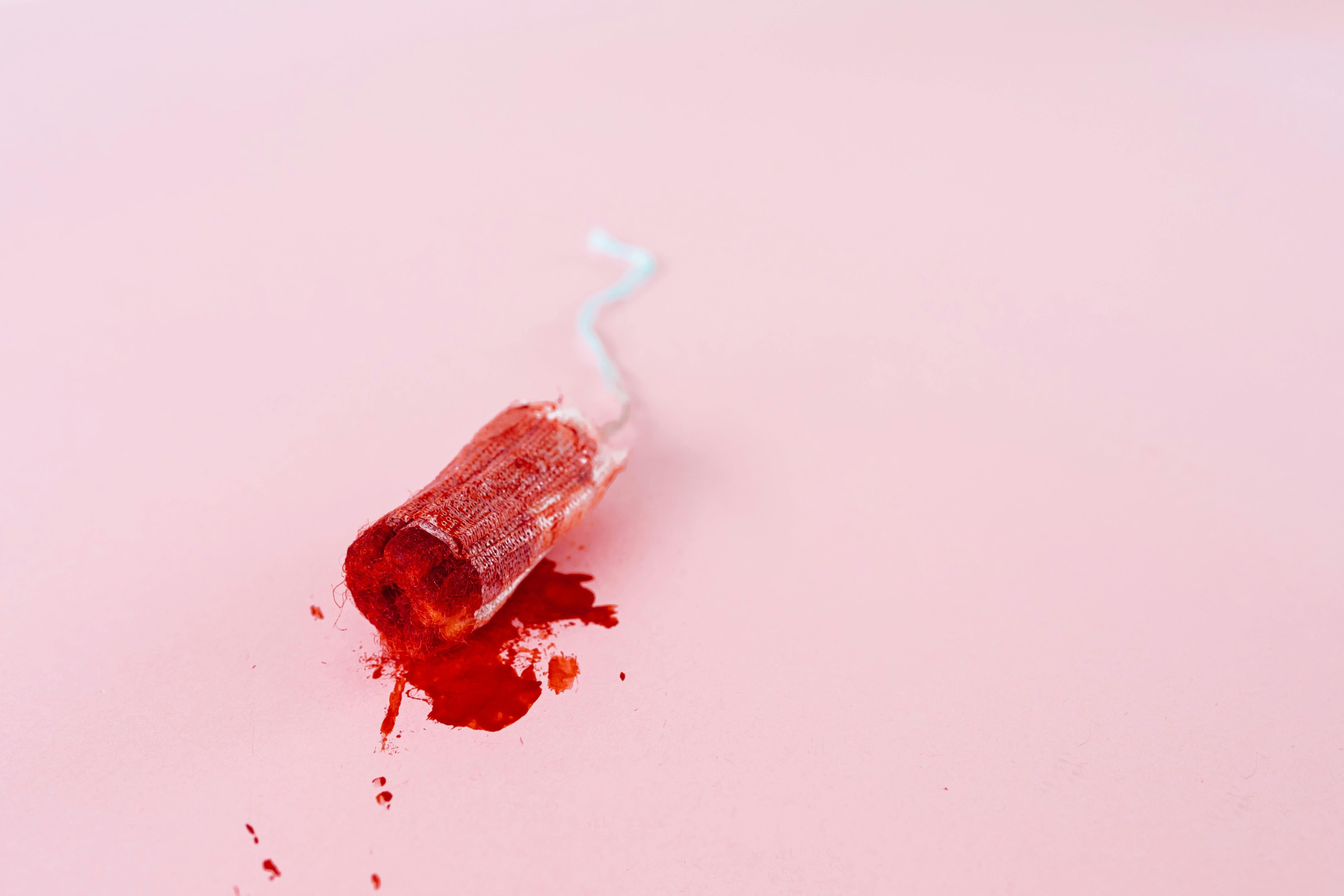
Menstruation equity begins with a straightforward premise that the ability to manage one's period safely and with dignity is a basic human right.
Roughly half the world's population menstruates at some point in their lives. Yet for so many people, managing that reality is genuinely difficult. When someone is unable to afford menstrual products, the consequences are not minor. Women are missing school, missing work, using toilet paper, paper towels, or improvised materials because there is no alternative. They are the lived reality of inadequate access to something as essential as clean water.
In the United States, the conversation has gained policy traction through debates about whether menstrual products should be covered by food stamps or SNAP benefits, a discussion that itself reveals the ambiguity in how society categorises what bodies need. Some states have removed the tampon tax. Some schools now provide free products in bathrooms. The American College of Obstetricians and Gynecologists and researchers in sociomedical sciences have increasingly framed menstruation as a public health issue, one with direct implications for reproductive health, school attendance, workforce participation, and long-term wellbeing.
Globally, the picture is more acute. In many parts of the world, inadequate access to sanitary products, private toilets, and clean water means that menstruation becomes a source of fear and shame rather than a normal physical process. Girls miss school during their cycles and eventually drop out. Women are excluded from communal spaces. Menstruation remains taboo, something to be hidden, managed in silence, never spoken about openly.
Read: Our Conscious Period Shop for Free Bleeding & Reusable Period Care
The Problem with a Product-Centric Model of Menstrual Equity
Over time, menstruation equity has quietly narrowed into a single narrative that equity means universal access to pads and tampons. If schools stock bathrooms, if governments fund distribution programs, if NGOs hand out disposable products in bulk, then progress has been made.
But this product-centric model rests on several assumptions that deserve closer scrutiny.
1. The Assumption of Safety
First, it assumes the products themselves are safe. Safety is treated as a given rather than a standard that must be continually verified. The conversation rarely extends to ingredient transparency or independent testing. The focus is on who has access, not on what they are accessing.
2. The Assumption of Universal Cultural Fit
Second, it assumes pads and tampons are universally appropriate, and they are not. In many Muslim communities unmarried women are discouraged or prohibited from using internal products like tampons, because insertion before marriage conflicts with religious and cultural values around the body and virginity. Distributing tampons to young Muslim girls in the name of equity can place them in direct conflict with their faith and their families. In certain Orthodox Jewish communities, the laws of niddah governing menstrual purity shape which products are acceptable and when. In many traditional African communities, menstruation carries cultural and spiritual significance that Western disposable products do not account for and sometimes actively disrupt.
3. The Climate and Environmental Blind Spot
Climate is also a factor that the product-centric model consistently ignores. In hot, humid countries, disposable pads trap heat and moisture against the skin, creating conditions that accelerate bacterial growth. When products are scarce and must be rationed, women wear a single pad far longer than manufacturers recommend, significantly increasing the risk of infections. In these contexts, distributing pads without addressing the conditions of their use does not reliably solve a hygiene problem, instead it can worsen one.
4. Disposable Products as the Default
Menstrual equity positions disposable industrial menstrual hygiene products as the default solution. Pads and tampons become synonymous with menstrual health management, while reusable cloth, menstrual cups, period underwear, or free bleeding products are treated as secondary, alternative, or niche. This reinforces a narrow definition of what "normal" menstrual care looks like, one that is built around mass-produced, single-use commodities while sidelining options that may be safer, more sustainable, more culturally aligned, or simply better suited to a given woman's body and life.
5. The Illusion of Progress Through Distribution
Menstrual equity also reduces equity to distribution numbers. Success is measured in volume, such as how many products were handed out, how many schools were supplied, how many workplace dispensers installed. These numbers do not tell us whether the products align with users' health needs, cultural values, environmental realities, or comfort. A bathroom stocked with tampons that a young woman's religion prohibits, in a climate where extended pad use increases infection risk, in a building with no private changing facilities, is not equity. It is the appearance of equity.
Access Is Necessary, But It Is Not Enough
Expanding availability of menstrual products has been a necessary step. But when equity is reduced to a single category of product and a single method of distribution, it becomes incomplete. True menstruation equity must also account for safety, cultural diversity, climate realities, and the right to choose a product that genuinely serves the body, not just one that is available.
Reframing Period Poverty Through a Safety Lens
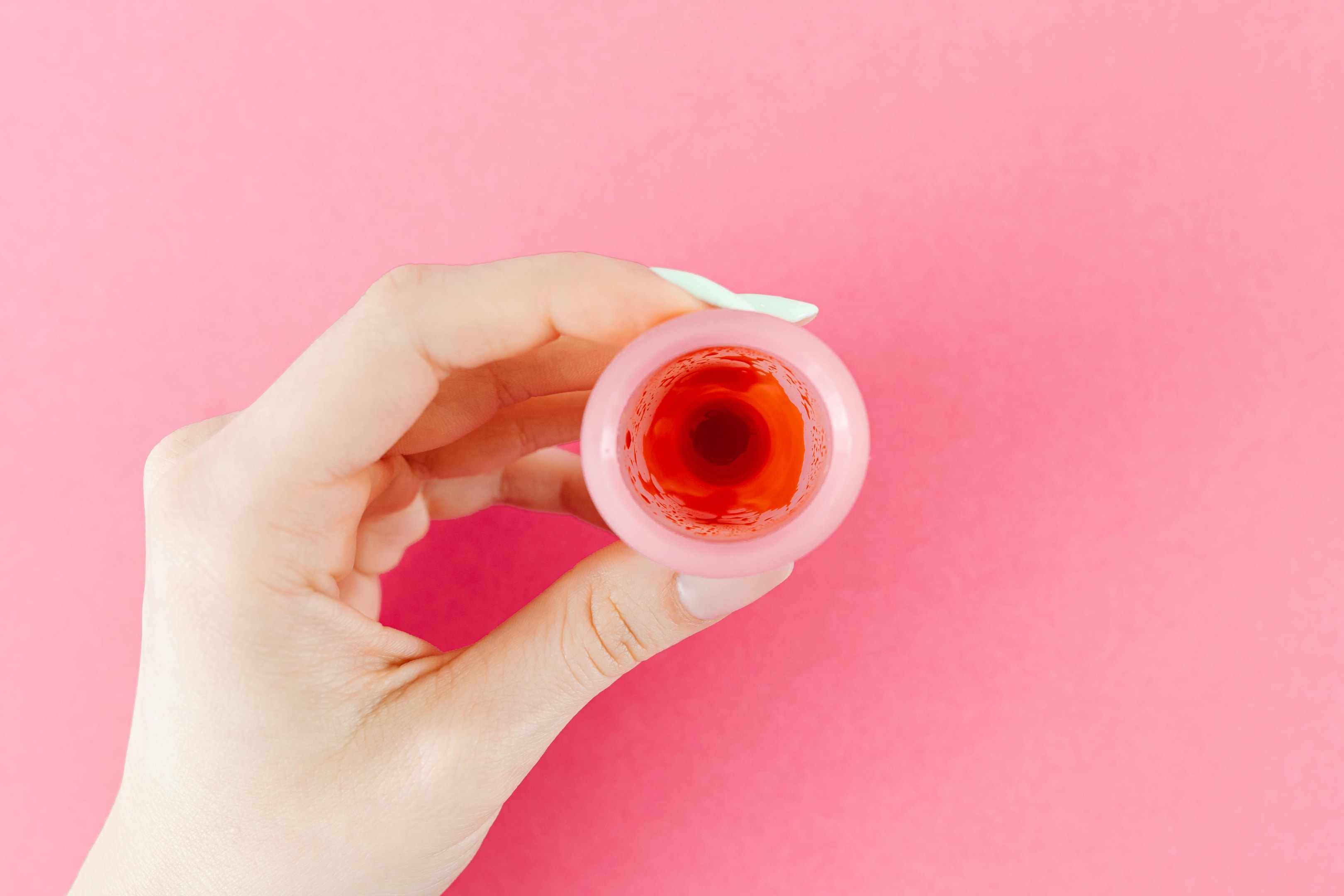
Period poverty is most often defined as the lack of access to menstrual products due to financial constraints. This definition has been powerful because it exposes how poverty directly shapes bodily experience. It makes visible the quiet humiliations and barriers that menstruation can create when basic supplies are out of reach.
But if we stop the definition there, we risk oversimplifying the problem.
Period poverty is not only about the absence of products. It is also about the absence of safe products. It is about what options are realistically available within someone’s budget and geography. If the cheapest and most widely distributed products are under scrutiny for containing potentially harmful chemicals, while safer alternatives are significantly more expensive or harder to find, then access becomes stratified, and safety becomes something purchased at a premium.
In that scenario, low-income menstruators are not simply navigating a lack of products; they are navigating a hierarchy of risk. Those with greater financial resources can choose organic or transparently sourced alternatives. Those without may have to rely on whatever is subsidized, donated, or cheapest on the shelf. That is a layered form of health inequality.
Period poverty cannot only mean “not having products.” It must also mean not having safe and affordable options. If the only products someone can afford may contain potentially harmful chemicals, that is still poverty. If safer alternatives exist but are priced far higher, then health becomes something you have to buy. That is not equity.
And finally, period poverty includes lack of information. People deserve to know what options exist beyond the most common disposable pads and tampons. Without education about reusable products, organic alternatives, or other methods, choice becomes limited by awareness.
When education is limited, regulation is weak, and safer products are financially out of reach, “access” becomes a misleading term. Technically, products may be available. Practically, meaningful choice may not be.
Read: Tampon Alternatives You Can Reuse Safely for Years
Choice of Menstrual Products as the Core of Dignity
At its deepest level, I believe that menstruation equity is not about having access to products. It is about power. It is about who gets to decide how their body is managed, what touches it, what goes inside it, and what values shape those choices.
True menstruation equity means a person can choose how they bleed.
They can choose organic or toxin-free pads if they want disposable convenience without synthetic exposure. They can choose tampons that meet clear safety standards and are transparently manufactured. They can choose period underwear, reusable cloth, Free Bleed blankets, or menstrual cups if sustainability, cost-effectiveness, or reduced waste matters to them. They can choose free bleeding if that aligns with their political, spiritual, or personal relationship to their body. They can choose any method that feels safe, dignified, and coherent with their values.
The point is not which method is superior. The point is that no single method should be treated as the default that everyone must adapt to.