Menstruation Hygiene Day: Creating a Period-Friendly World
Table of Contents
Menstruation is a global human rights issue.
Every year on May 28, Menstrual Hygiene Day is observed. What began as a day of awareness has grown into a global movement, uniting more than 1,300 partners across over 100 countries to shine light on something that affects nearly half the world’s population, yet remains shrouded in silence and shame.
Despite this collective effort, millions of women and girls still lack access to safe water, adequate sanitation facilities, and affordable menstrual products. These women have to deal with preventable health risks, missed days of school and work, and a persistent cycle of shame that disconnects women from their bodies at the very moment they need care and support the most.
Breaking taboos and speaking openly about menstruation is essential. Silence fuels stigma, discrimination, and period poverty, a reality that exists in every corner of the world, regardless of geography or income level. When periods are treated as something to hide, dignity is stripped away alongside opportunity.
This is why Menstrual Hygiene Day is deeply aligned with the UN Sustainable Development Goals, particularly SDG 3 (Good Health and Well-Being), SDG 4 (Quality Education), SDG 5 (Gender Equality), and SDG 6 (Clean Water and Sanitation). Menstrual health is foundational to the entire 2030 Agenda for Sustainable Development.
And change does not begin in institutions alone, it begins with us. By learning accurate information and supporting policies and grassroots projects that prioritize menstrual health, each of us can help make dignity and education a reality for every woman and girl.
What Is Menstruation Hygiene Day?
Menstrual Hygiene Day (also commonly called Menstruation Hygiene Day) is a global awareness day marked every year on 28 May to highlight the importance of good menstrual hygiene for everyone who menstruates. It’s a day when organizations, governments, schools, and communities come together to advocate for something that affects roughly half the world’s population.
The choice of date carries symbolic weight. The 28th represents the average length of the menstrual cycle in days, while May—the 5th month—refers to the average duration of menstrual bleeding, about 5 days.
This global movement was initiated in 2014 by the German-based NGO WASH United, which launched a 28-day social media campaign the previous year that generated overwhelming positive feedback. That inaugural World Menstrual Hygiene Day brought together 145 organizations hosting rallies, film screenings, exhibitions, and workshops across many countries. By 2025, the movement had grown to include over 1,300 partners reaching an estimated 971 million people worldwide.
It’s worth understanding the distinction between related terms.
-
Menstrual hygiene refers specifically to the safe management of menstrual bleeding, using clean menstrual materials, having privacy to change them, and proper disposal.
-
Menstrual health encompasses broader physical, mental, and social well-being related to the menstrual cycle, including pain management, emotional support, and access to healthcare services.
Why Menstrual Health and Hygiene Matter

Menstruation is a normal biological process, yet many women face serious barriers when managing their periods. What should be a routine part of life becomes a source of stress, shame, and even danger for millions around the world.
The health implications are significant. Poor menstrual hygiene can contribute to:
| Health Risk | Cause |
|---|---|
| Urinary tract infections | Using unclean materials or not changing products frequently |
| Reproductive tract infections | Improper hygiene practices and unsafe alternatives |
| Skin irritation | Low-quality or unsuitable products |
| Increased anxiety and depression | Shame, secrecy, and lack of support |
| Toxic shock syndrome | Prolonged use of certain products without proper care |
The links between menstruation and education are equally concerning. In several low- and middle-income countries, a significant share of girls miss school during their period, and some studies suggest girls lose up to 20% of school days annually due to inadequate menstrual products or facilities. This absenteeism harms learning outcomes and future earning potential, perpetuating cycles of poverty.
Gender equality cannot exist while stigma and restrictive social norms limit girls’ and women’s freedom. Period shaming prevents full participation in sports, work, and public life. In some communities, such as in India, women menstruate and are immediately excluded from daily activities, religious gatherings, or even their own kitchens.
From a human rights perspective, managing menstruation with safety, privacy, and dignity connects directly to fundamental rights, which includes the right to water and sanitation, health, education, and non-discrimination. UN resolutions since the mid-2010s have increasingly recognized these connections, framing menstrual hygiene management as a matter of basic dignity.
Barriers and Period Poverty Worldwide
“Period poverty” describes the combined lack of affordable menstrual products, safe water and sanitation, and reliable information about menstruation.
Economic barriers hit hardest in low-income households. The price of disposable sanitary pads or tampons can consume a surprisingly large share of monthly income. When forced to choose between food and period products, many people resort to unsafe alternatives, where they use:
Old cloths or rags
Newspaper or toilet paper
Leaves or other natural materials
Nothing at all
These alternatives increase infection risk and fail to provide adequate protection, forcing people to limit their activities or stay home entirely.
Infrastructure barriers compound the problem. Many schools, workplaces, and public spaces, especially in rural regions and informal settlements, lack private, safe sanitation facilities with doors, locks, water, and soap. Without these basics, managing menstruation with dignity becomes nearly impossible. Approximately 40% of girls in rural areas lack access to private toilets, making even simple tasks like changing menstrual materials a challenge.
Social and cultural barriers add another layer of difficulty. In some communities, people who menstruate are excluded from kitchens, religious sites, or community events. The message is clear that periods are shameful and must be hidden. In surveyed countries, over 30% of girls worldwide report missing school, work, or social activities due to menstruation, with rural populations consistently reporting lower access to private hygiene facilities than their urban counterparts.
Water, Sanitation, and Menstrual Hygiene
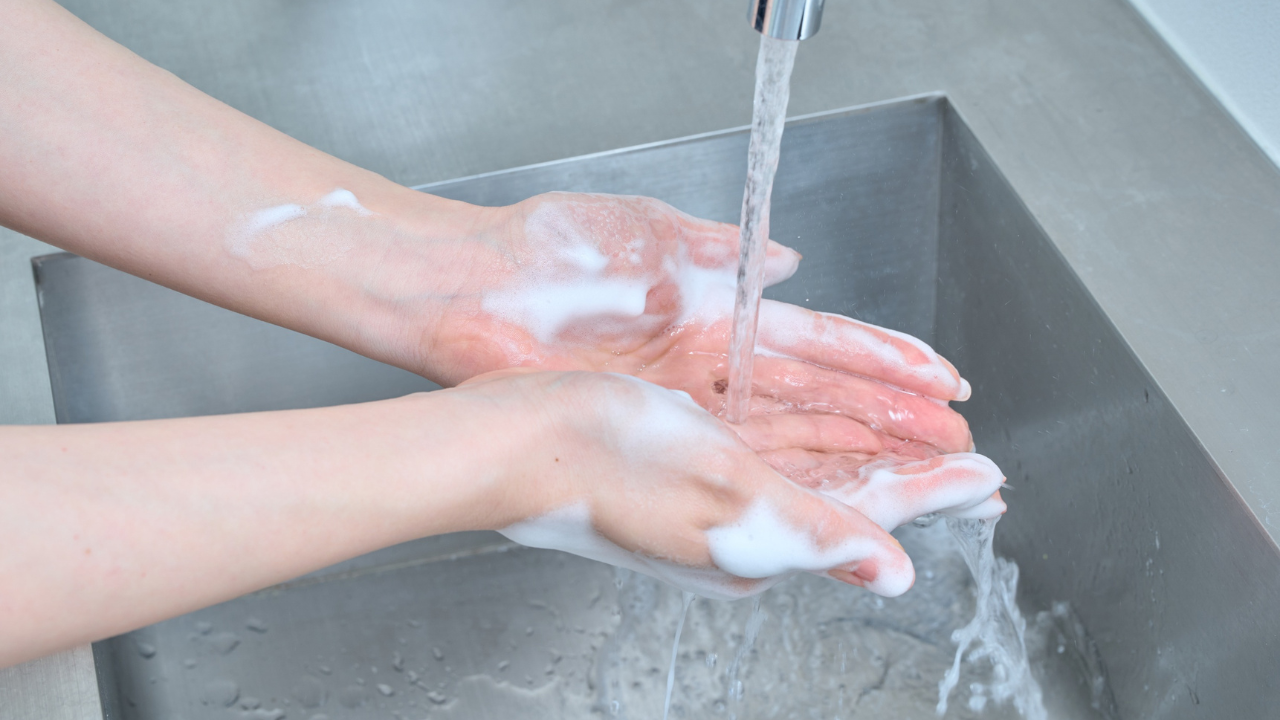
Without safe water and adequate facilities, hygienic period management is simply impossible. This direct connection between menstrual hygiene and WASH (Water, Sanitation, and Hygiene) services makes investments in water infrastructure investments in menstrual health.
A truly “menstrual-friendly” facility should provide:
-
Private lockable cubicles for changing
-
A clean toilet or latrine
-
A bin or disposal system for used materials
-
Safe water and soap for washing hands and reusable products
-
Good lighting for safety and visibility
-
Safe drinking water access nearby
When schools lack these basics, adolescent girls often don’t feel comfortable changing pads or cloths and may decide to stay home several days each month. The cumulative effect is devastating, not just for individual education but for entire communities.
In several African and Asian school programs, providing separate girls’ latrines with doors, disposal bins, and handwashing stations has been associated with attendance improvements of 15-25%. Uganda’s 2015 parliamentary march directly influenced national menstrual hygiene management policies, showing how advocacy can lead to concrete infrastructure investments.
Breaking Taboos and Changing Social Norms
In many cultures, menstruation remains shrouded in secrecy, treated as dirty or shameful. These attitudes harm mental health and perpetuate cycles of misinformation.
MH Day encourages open conversations in families, schools, clinics, media, and workplaces about periods as a normal part of life and challenges harmful myths that lead to discrimination and violence.
The work of breaking down social norms cannot fall solely on women and girls. Involving boys, men, teachers, and community leaders spreads responsibility and creates lasting change. When a father can openly discuss periods with his daughter, or when a male teacher ensures the school has adequate facilities, the entire community shifts.
Around 28 May each year, awareness activities take many forms:
-
School debates on menstrual health topics
-
Radio shows discussing period education
-
Social media campaigns using hashtags like #PeriodFriendlyWorld
-
Theater performances addressing stigma
-
Community dialogues sharing accurate information about the first menstruation and beyond
These efforts challenge social norms directly, like myths like menstruating people being impure, unable to cook food, or unfit for daily activities. By 2025, Menstrual Hygiene Day partners had generated media coverage reaching nearly a billion people, demonstrating the power of collective action to shift public conversation.
Read: Period Positive Practices to Welcome Your Bleed
Policies, Period Products, and Global Progress
Governments worldwide have begun recognizing menstrual health as a policy and budget priority. This shift from viewing periods as a private matter to understanding them as a public health concern marks significant progress.
Policy approaches vary but share common goals:
| Policy Type | Examples |
|---|---|
| Tax reduction | Removing or reducing taxes on menstrual products |
| Free provision | Subsidized or free pads and tampons in schools and public institutions |
| Education integration | Including menstrual education in national curricula |
| Infrastructure standards | National guidelines for hygiene facilities in schools |
Scotland’s 2021 law providing free period products cut school absenteeism by an estimated 50%, demonstrating what’s possible when governments lead. Over 20 countries now mandate period products in schools, with several African nations establishing national guidelines for menstrual hygiene management in educational settings.
However, significant gaps remain. The World Bank estimates annual global menstrual hygiene management investment needs reach $10 billion, but current funding falls under $1 billion.
How Individuals and Communities Can Take Action

Menstrual Hygiene Day isn’t only for institutions. Individuals, families, and community groups can drive meaningful change in their own spheres of influence.
For individuals:
-
Learn accurate information about menstruation and the menstrual cycle
-
Talk openly with children and partners about periods
-
Support friends who struggle with painful or heavy periods
-
Donate products to local shelters or schools
-
Challenge jokes or dismissive attitudes about menstruation
For schools and youth groups:
-
Organize 28 May events to raise awareness
-
Invite health professionals to speak about reproductive health and sexual and reproductive health
-
Create safe spaces where students can ask questions without judgment
-
Ensure school toilets are clean, private, and stocked with supplies
-
Include period education in health curricula
For communities and civil society:
-
Local NGOs and women’s associations can advocate for better toilets, water services, and low-cost products
-
WASH committees can gather local data on needs and gaps
-
Community savings groups can purchase products in bulk to reduce costs
-
Leaders can participate in public conversations normalizing menstruation
For political engagement:
-
Support policies that address period poverty
-
Contact representatives about menstrual health budgets
-
Push for inclusion of menstrual indicators in local planning
-
Advocate for increase access to products and facilities
Your involvement matters. Every conversation, every policy push, every donated product contributes to the larger global movement toward a world where managing menstruation is dignified and safe for everyone.
Menstruation Hygiene Day and the Sustainable Development Goals
Improving menstrual health directly supports the 2030 Agenda for Sustainable Development.
SDG 3: Good Health and Well-Being
Managing menstruation safely helps prevent infections. Studies show 30% lower infection rates with proper personal hygiene practices. It supports mental health by reducing anxiety and shame, and it improves access to healthcare for menstrual disorders. Public health systems that address menstrual needs serve their populations more effectively.
SDG 4: Quality Education
Period-friendly schools with toilets, water, and products help reduce absenteeism and dropout among adolescent girls. When girls can attend school every day of the month, they gain educational years that translate to better outcomes. Some estimates suggest proper menstrual hygiene management could prevent 10% of girls from dropping out of school in developing countries.
SDG 5: Gender Equality
Tackling period poverty and stigma is part of ending discrimination and violence against women and girls. When periods no longer limit participation in public life, work, or sports, women and girls can pursue opportunities equally. True gender equality requires addressing the unique needs that affect half the population monthly.
SDG 6: Clean Water and Sanitation
Menstrual needs must be explicitly included in water and sanitation planning, budgeting, and monitoring at national and local levels. Access to safe facilities means nothing if those facilities don’t meet the needs of menstruating people. Every WASH investment should consider whether it creates a period friendly world.
The Free Bleed® Blanket

For many people, the hardest part of menstruation is not the bleeding itself, but the constant effort required to hide it. Fear of leaking onto sheets, clothes, or furniture keeps menstruation framed as something that must be controlled at all costs. This pressure reinforces stigma and increases anxiety, especially for those with heavy or unpredictable periods.
The Free Bleed® Blanket addresses this problem directly and provides a washable, absorbent surface that allows someone to bleed safely while resting or sleeping, without relying on disposable menstrual products. By removing the fear of visible blood or permanent staining, the blanket creates a sense of security that many menstruating people rarely experience.
This has real implications for period poverty. In households where pads and tampons are unaffordable or inconsistently available, people often stretch products far beyond safe use or go without entirely. The Free Bleed® Blanket does not replace the need for menstrual products in public spaces, schools, or workplaces, but it can reduce dependence on disposables at home, particularly overnight, when product use is highest. For people with heavy bleeding, postpartum recovery, endometriosis, or fibroids, it can also reduce the need to double up on products, lowering monthly costs.
Importantly, the Free Bleed® Blanket supports menstrual autonomy. It offers another option, one that does not require monthly purchasing, does not generate waste, and does not rely on constant access to disposable products. In a world where many menstrual solutions assume stable income and infrastructure, this kind of reusable support can be a meaningful part of a broader menstrual health toolkit.
Read: Tampon Alternatives You Can Reuse Safely for Years
Frequently Asked Questions
The date reflects the average 28-day menstrual cycle and roughly 5 days of bleeding (May being the 5th month), making it a symbolic reminder of these biological realities. This numerical shorthand reinforces the day’s focus on normalizing menstruation while creating a memorable annual touchpoint for global advocacy.
Consider exploring safe reusable options like cloth pads, menstrual cups, or period underwear if water and soap are available, these cut long-term costs by 80-90%. Joining or forming community savings groups to purchase products in bulk can also reduce per-unit costs. Engaging local leaders about subsidies or free products for low-income users has proven effective in many countries.
Learn accurate information about menstruation and share it when myths arise. Challenge jokes or stigma about periods in social settings. Support family members during menstruation by helping with tasks if they’re experiencing discomfort, and advocate for menstrual-friendly toilets and policies in schools, workplaces, and communities. Understanding that this is a shared responsibility—not solely a “women’s issue”—creates lasting change.